Terrarium Styling Tips: 7 Modern Ideas + Easy Care Guide
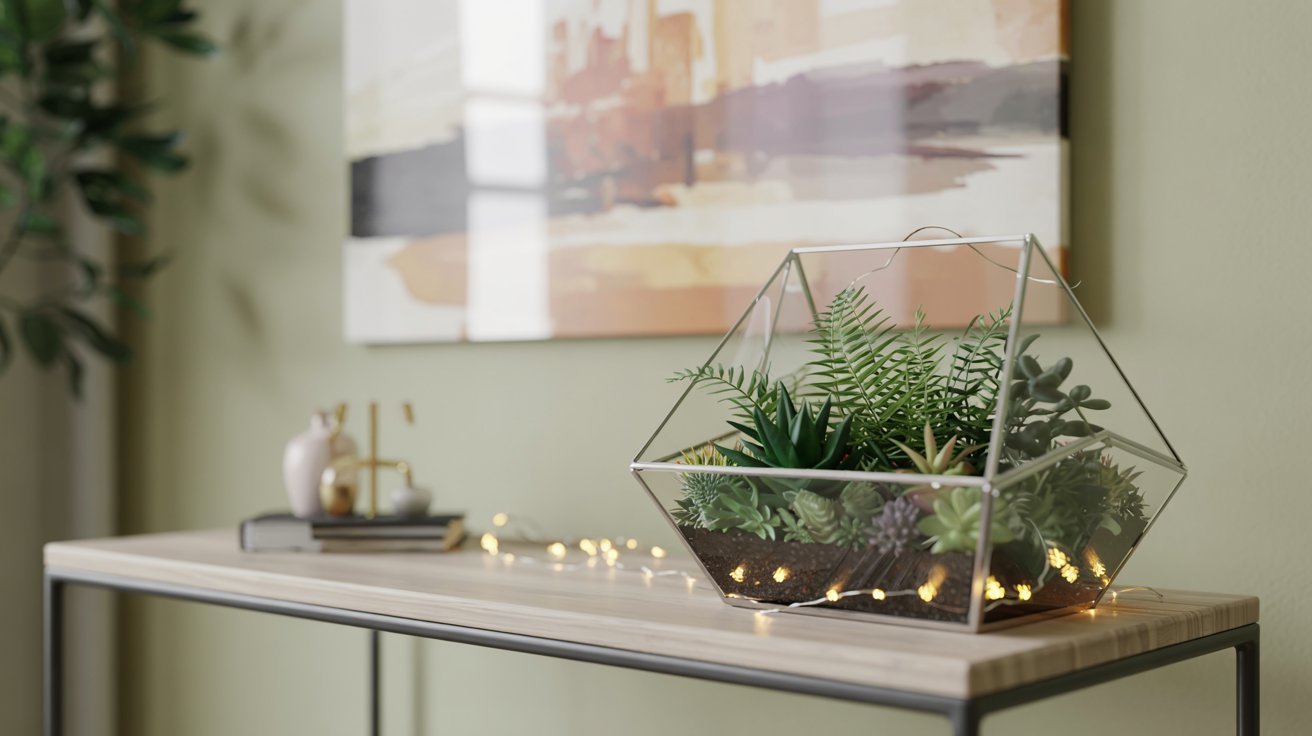
A well-styled terrarium can do something ordinary houseplants sometimes cannot: it brings greenery, texture and a sculptural focal point into a room without taking over the space. In modern interiors, glass terrariums work especially well because their clean silhouettes feel light, architectural and easy to style.
The key is choosing the right type of terrarium for the plants you want to grow. Closed terrariums suit humidity-loving plants such as Fittonia, small ferns and many Peperomias, while open terrariums are generally better for plants that prefer drier conditions, including many succulents and cacti.
Open vs. Closed Terrariums: Choose the Right Style First
Before thinking about decor, decide which growing environment you are creating. This is the most important choice because it determines the plants, substrate and care routine.
| Terrarium Type | Best For | Good Plant Choices | Care Style |
|---|---|---|---|
| Closed | Humid miniature ecosystem | Fittonia, small ferns, Peperomia, moss | Very light watering; monitor condensation |
| Open | Drier decorative planting | Many succulents, cacti, air plants | More airflow; water according to plant needs |
For a modern room, look for a vessel with a simple silhouette rather than lots of decorative hardware. A geometric glass case, wide glass bowl, cloche or clean cylinder can all work beautifully.
Browse modern glass terrarium containers on Amazon if you want to start with the vessel first.
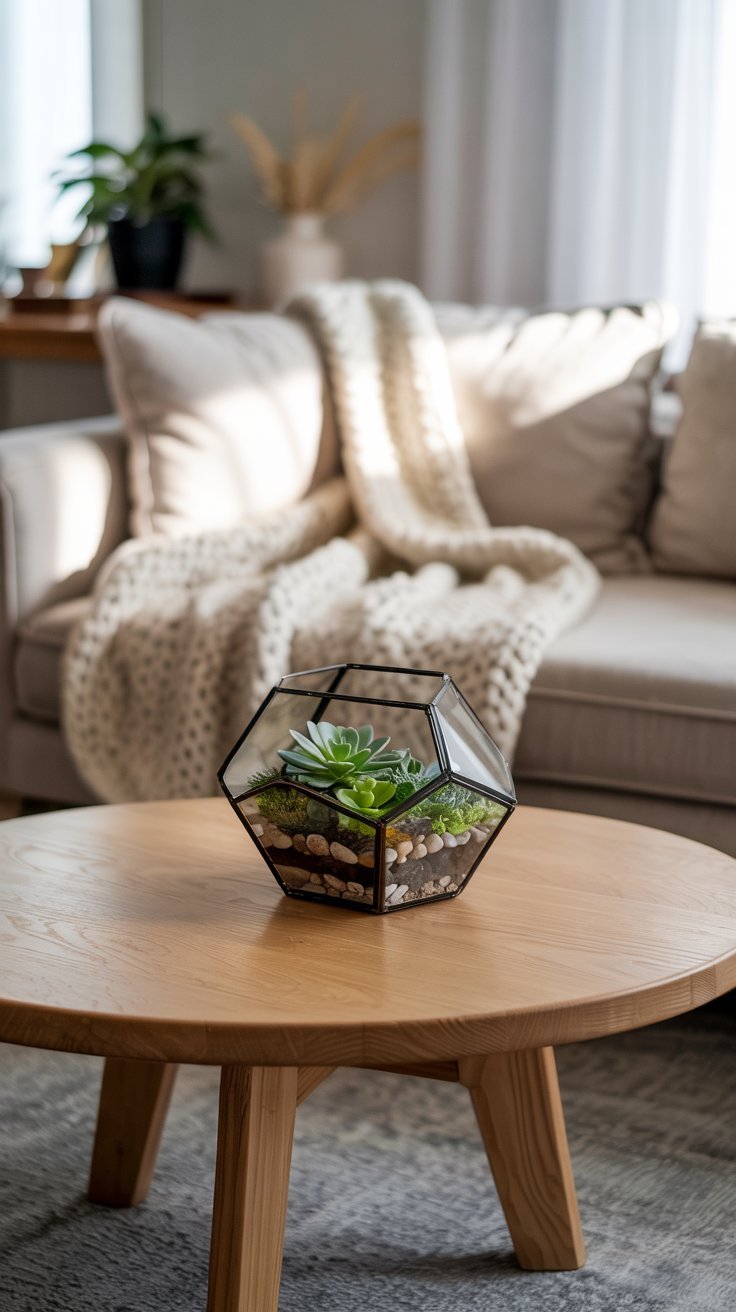
1. Use One Terrarium as a Coffee-Table Focal Point
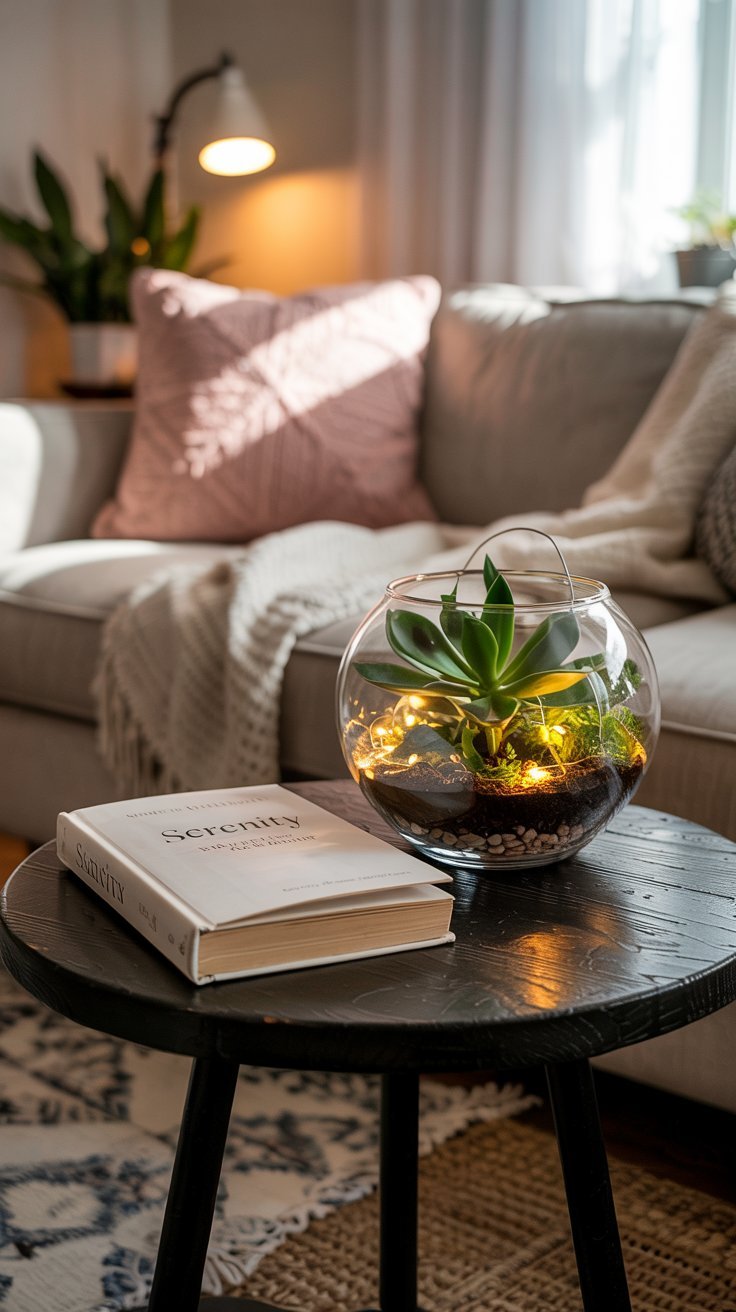
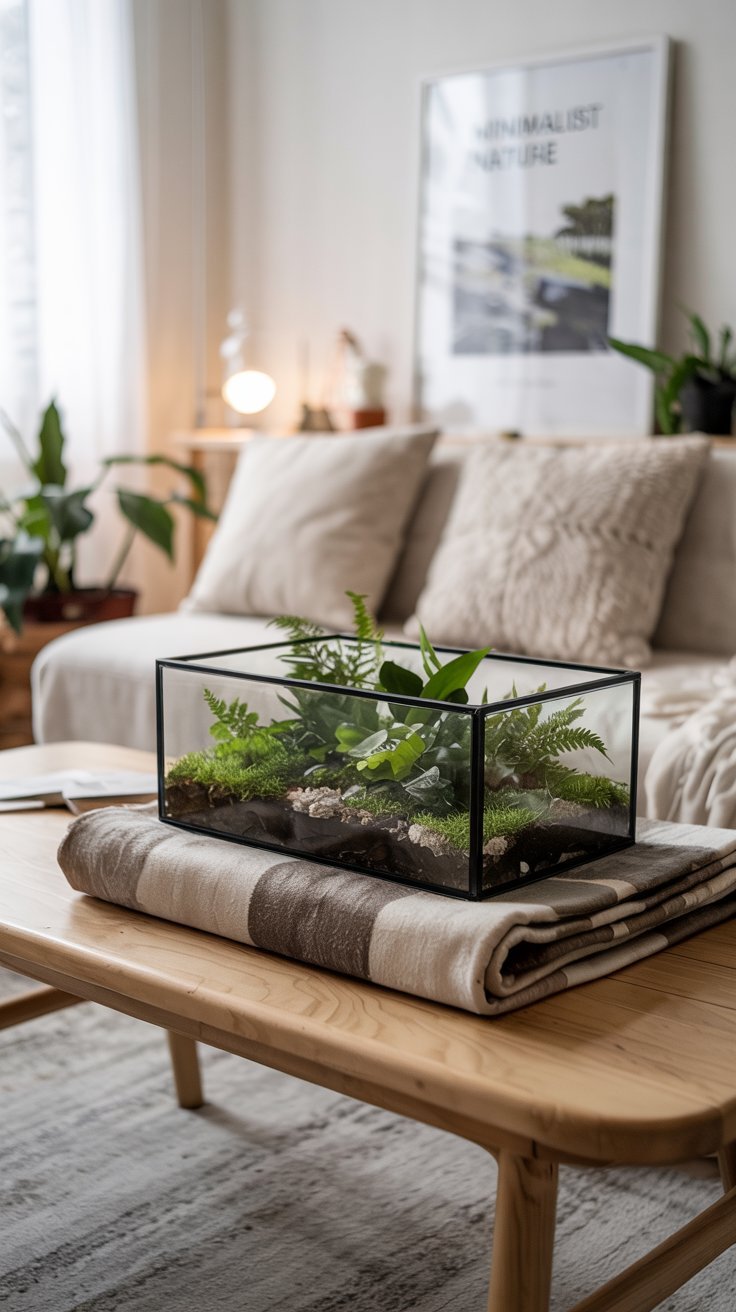
A coffee table is one of the easiest places to style a terrarium because the glass adds height without creating visual heaviness. Keep the surrounding objects simple: one stack of books, a candle or a shallow tray is usually enough.
For a polished look, choose a terrarium that is roughly one-third to one-half the visual height of the objects around it. Very tiny vessels can disappear on a large coffee table, while oversized pieces can block sightlines.
2. Style Small Terrariums on Bookshelves
Small terrariums work well between books, ceramics and framed art because they introduce a living texture to otherwise static shelving. Use one per shelf rather than repeating many identical vessels.
Closed moss or fern terrariums are especially attractive on shelves that receive bright, indirect light. Avoid deep, dark shelves where plants cannot get enough light unless you provide supplemental lighting.
3. Build the Layers for a Designer Look
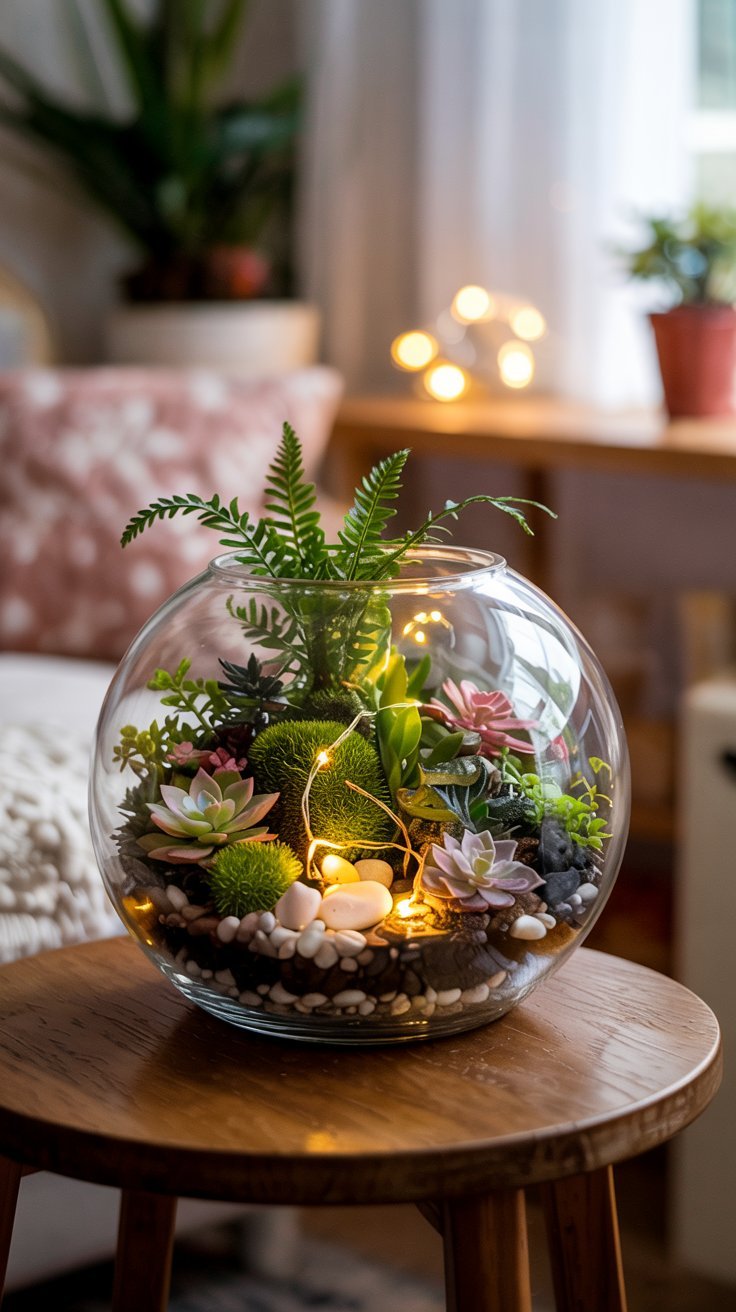
A terrarium looks much more intentional when the materials are layered visibly. The exact structure depends on the plants and container, but a typical decorative build can include drainage material, a small amount of activated horticultural charcoal, suitable potting medium and a top layer of moss or decorative stone.
Activated charcoal is commonly used in terrarium builds because it can help with filtration and odor control within the substrate system. Use horticultural charcoal intended for planting rather than grill charcoal.
Shop horticultural charcoal for terrariums on Amazon.
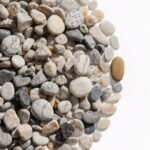
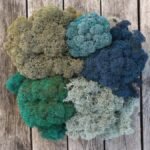
For the visible top layer, natural moss and small stones give a more refined result than brightly colored decorative gravel. Browse terrarium moss and decorative stones on Amazon.
4. Choose Plants That Match the Terrarium
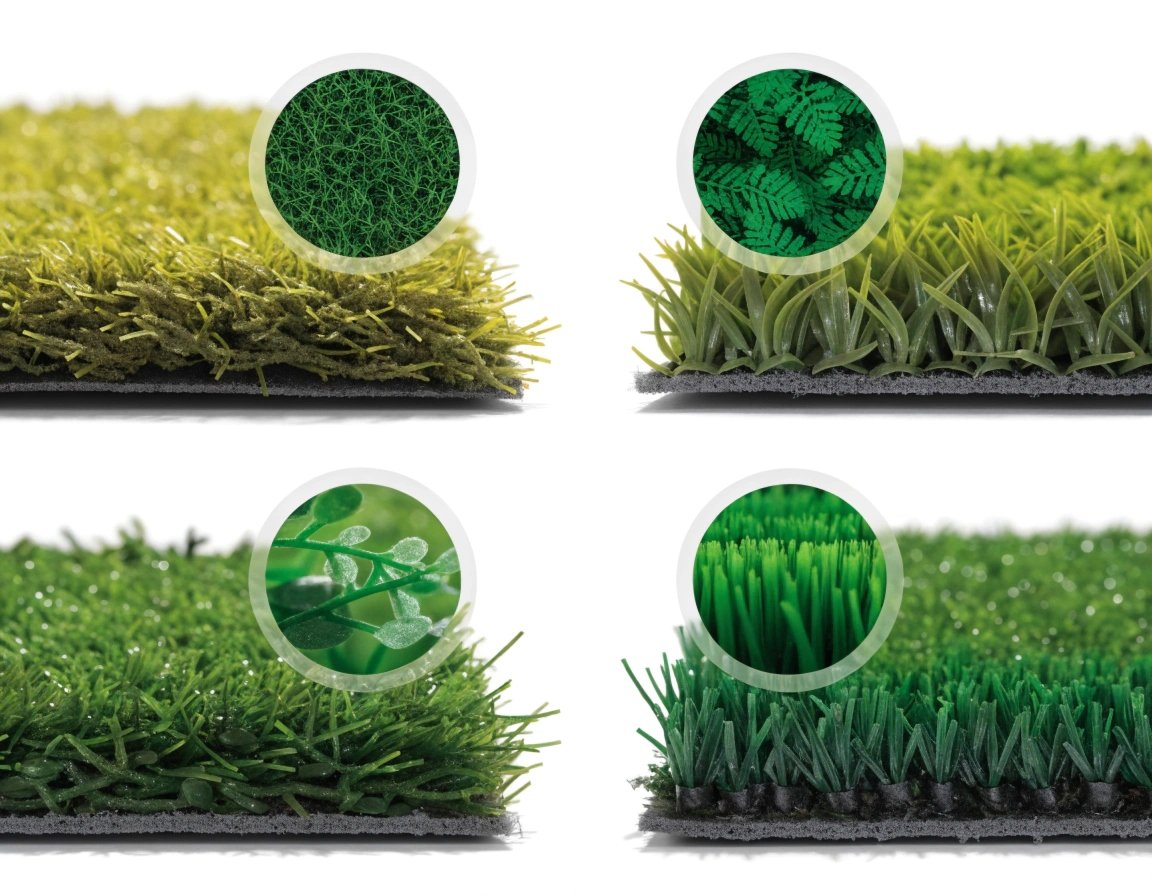
The prettiest arrangement will fail if the plants want completely different conditions. In a closed terrarium, choose small plants that enjoy humidity and do not quickly outgrow the container. Fittonia is popular because of its compact habit and patterned leaves; small ferns, Peperomia and moss can create a lush woodland look.
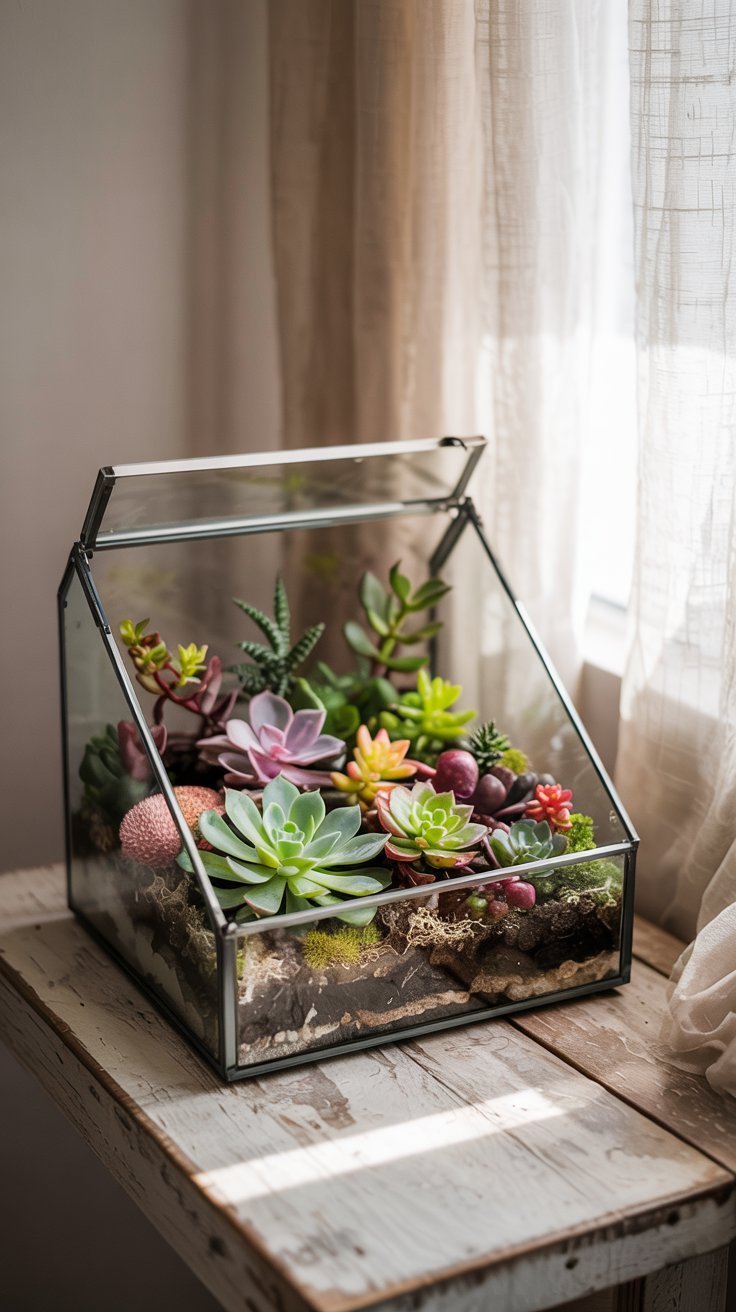
For open terrariums, choose plants that tolerate drier air and good ventilation. Many succulents and cacti fit visually, but they should not be treated like closed-terrarium plants. Give them suitable gritty substrate, plenty of light and careful watering.
Avoid mixing humidity-loving ferns and desert succulents in the same enclosed container just because they look attractive together.
5. Keep Decorative Details Minimal
Modern terrarium styling works best when the planting remains the hero. Use decorative pebbles, a piece of stone, a small branch or one miniature object instead of filling every open space.
Think of the composition like a tiny landscape: one taller focal plant, a lower ground layer and some negative space. That asymmetry tends to look more natural than perfectly symmetrical planting.
If you like adding detail, miniature tools make planting and maintenance much easier in narrow vessels. Browse miniature terrarium tool kits on Amazon.
6. Use Terrariums in Home Offices and Bathrooms Carefully
A small terrarium is a good desk accessory because it introduces organic texture without creating clutter. Just make sure the desk receives enough indirect light and is not directly beneath a heating or air-conditioning vent.
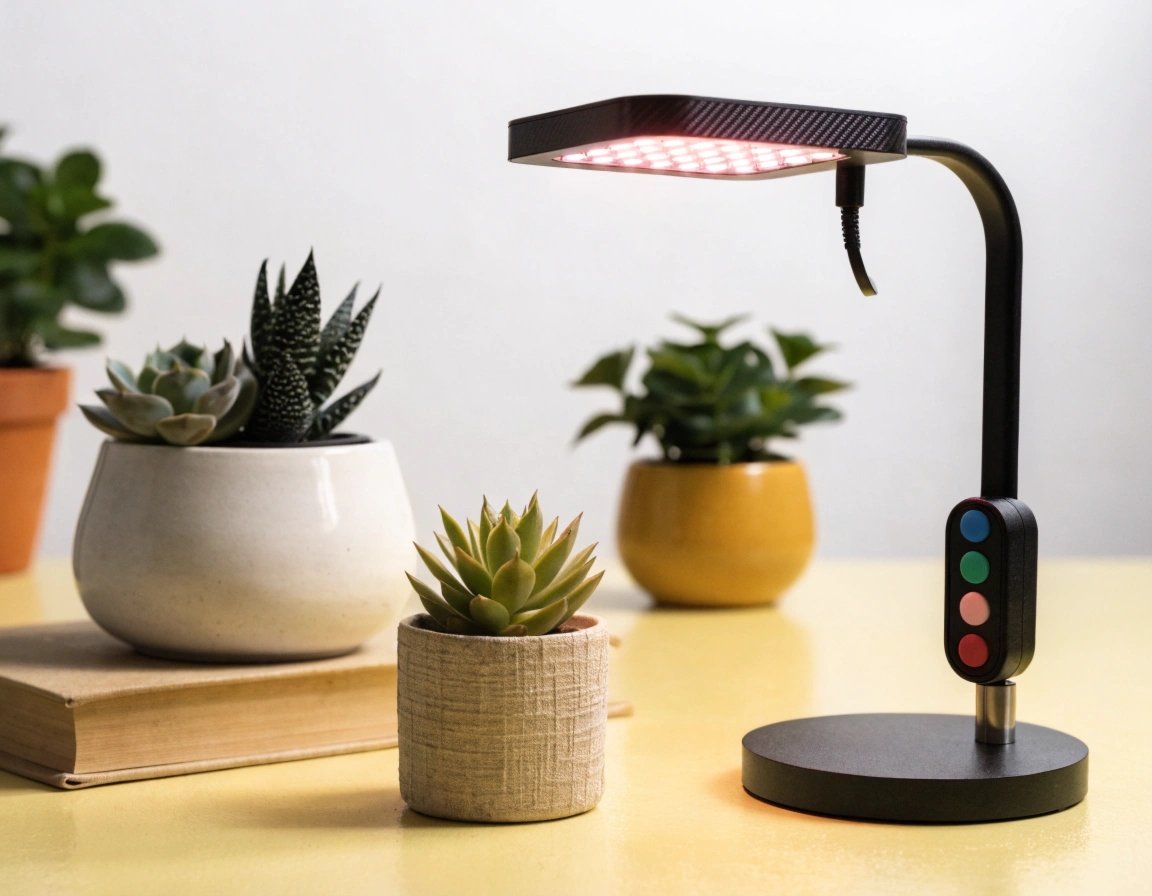
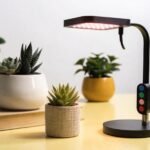
Bathrooms can suit humidity-loving terrarium plants, but humidity alone is not enough. If the room has no natural light, the plants will still need an appropriate grow light.
Shop compact grow lights for small indoor plants on Amazon.
For more nature-inspired interiors, you may also like my guide to organic dream home design.
7. Keep Terrarium Care Simple
Most terrarium problems come from too much water, too little light or plants that are poorly matched to the container.
- Use bright, indirect light: direct sun can overheat a glass enclosure quickly.
- Water conservatively: closed terrariums often need very little additional water once established.
- Watch condensation: a light cycle of condensation can be normal, but constantly dripping glass can signal excess moisture.
- Remove unhealthy material: trim dead leaves before they begin to decay.
- Prune for scale: miniature landscapes look better when plants are kept proportional to the vessel.
- Keep the glass clean: wipe the outside regularly and clean the inside carefully when needed.
With closed terrariums, do not water according to a rigid calendar. Observe the moisture level and condensation instead. A stable terrarium may go for long periods without additional water.
What to Buy for a Beginner Terrarium
If you want the easiest shopping route, a complete kit can be more convenient than buying every material separately. Check exactly what the kit includes before ordering, especially whether the container, substrate, charcoal and tools are included.
Browse complete terrarium kits on Amazon.
If you prefer to build your own setup, I would prioritize these pieces:
- Glass terrarium container
- Terrarium substrate mix
- Horticultural charcoal
- Moss and decorative stone
- Mini terrarium tools
How to Make a Terrarium Look More Expensive
The best-looking terrariums rarely contain the most accessories. Use a limited material palette, repeat one or two stone colors and let the plants create the complexity.
For a modern interior, clear glass + deep green foliage + charcoal-gray stone is hard to beat. In warmer rooms, use amber stone, pale moss and a wood surface underneath. The terrarium should relate to the room around it rather than look like an isolated craft project.
Final Thoughts
Terrariums are one of those rare decor ideas that can be both decorative and genuinely enjoyable to maintain. Start by matching the container to the plants, build the layers carefully and resist the urge to overfill the glass.
A single well-composed terrarium can add enough greenery to soften a modern coffee table, shelf or desk without making the room feel busy. Once the growing conditions are right, styling becomes the easy part.