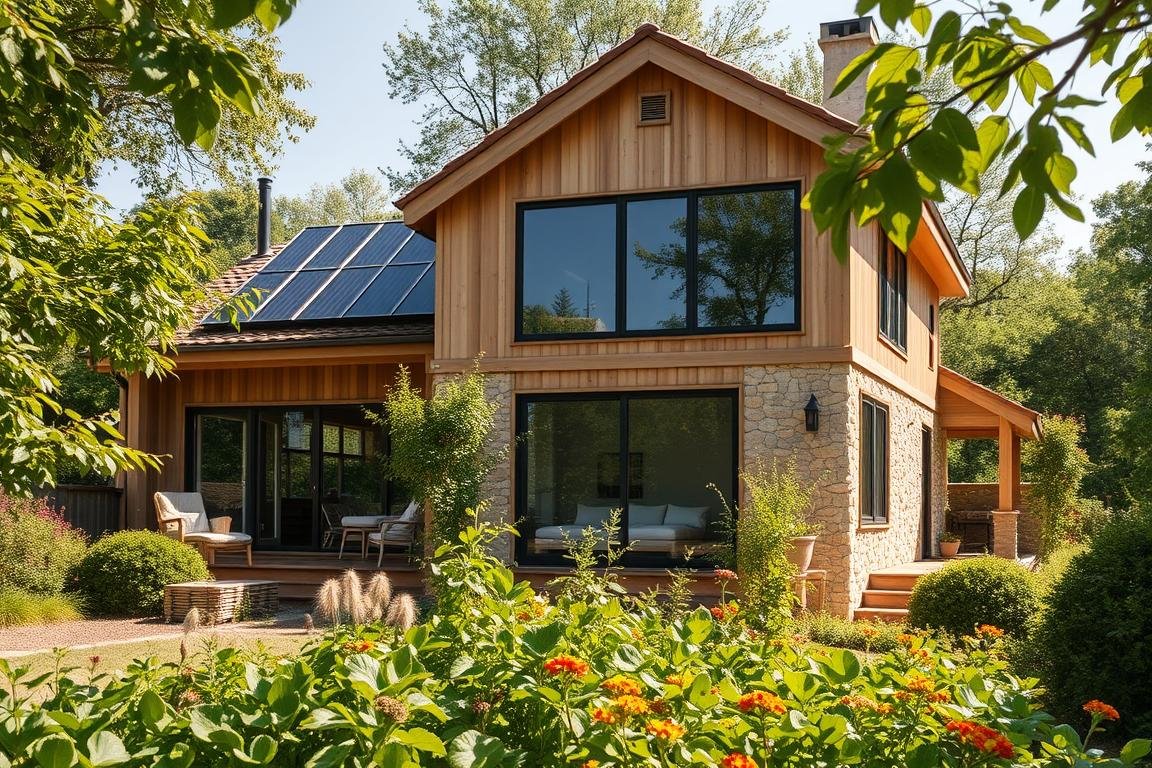
Organic Dream Home Design: Sustainable, Natural & Beautiful Ideas
An organic dream home is not about making every purchase perfectly ‘green.’ It is about designing a home that feels connected to nature, uses resources thoughtfully, and favors durable materials you will enjoy for years.
Think warm wood, linen and cotton, daylight, layered greenery, efficient fixtures, tactile natural textures, and rooms that feel calm rather than over-styled. Whether you are building from scratch or simply refreshing one room, the most effective sustainable choices usually start with using less, choosing better, and keeping what you buy for longer.
What Makes a Home Feel Organic and Sustainable?
Organic interior design combines natural materials, biophilic design, low-waste choices and visual simplicity. Instead of filling a room with trend-driven decor, the goal is to create a space that ages gracefully and works with the way you actually live.
- Bring in nature: daylight, views, plants, natural colors and tactile materials.
- Prioritize longevity: durable furniture and finishes usually beat frequent replacements.
- Choose lower-impact materials when practical: reclaimed wood, certified wood, jute, linen, organic cotton, recycled materials and low-VOC finishes.
- Reduce energy and water demand: efficient lighting, insulation, shading and water-saving fixtures can have more impact than decorative ‘eco’ accessories.
- Avoid perfectionism: a sustainable home can be built gradually, one thoughtful upgrade at a time.
Start with the Architecture: Light, Shade and Connection to Nature
If you are planning a renovation or new build, orientation and window placement deserve serious attention. The best strategy depends on climate, latitude, surrounding buildings and seasonal sun angles, so there is no single rule that works everywhere.
Large windows can reduce daytime lighting needs and strengthen the connection to outdoor views, but they can also increase heat gain or heat loss. Exterior shading, insulated glazing, window coverings and well-planned cross-ventilation can make those openings more comfortable and efficient.
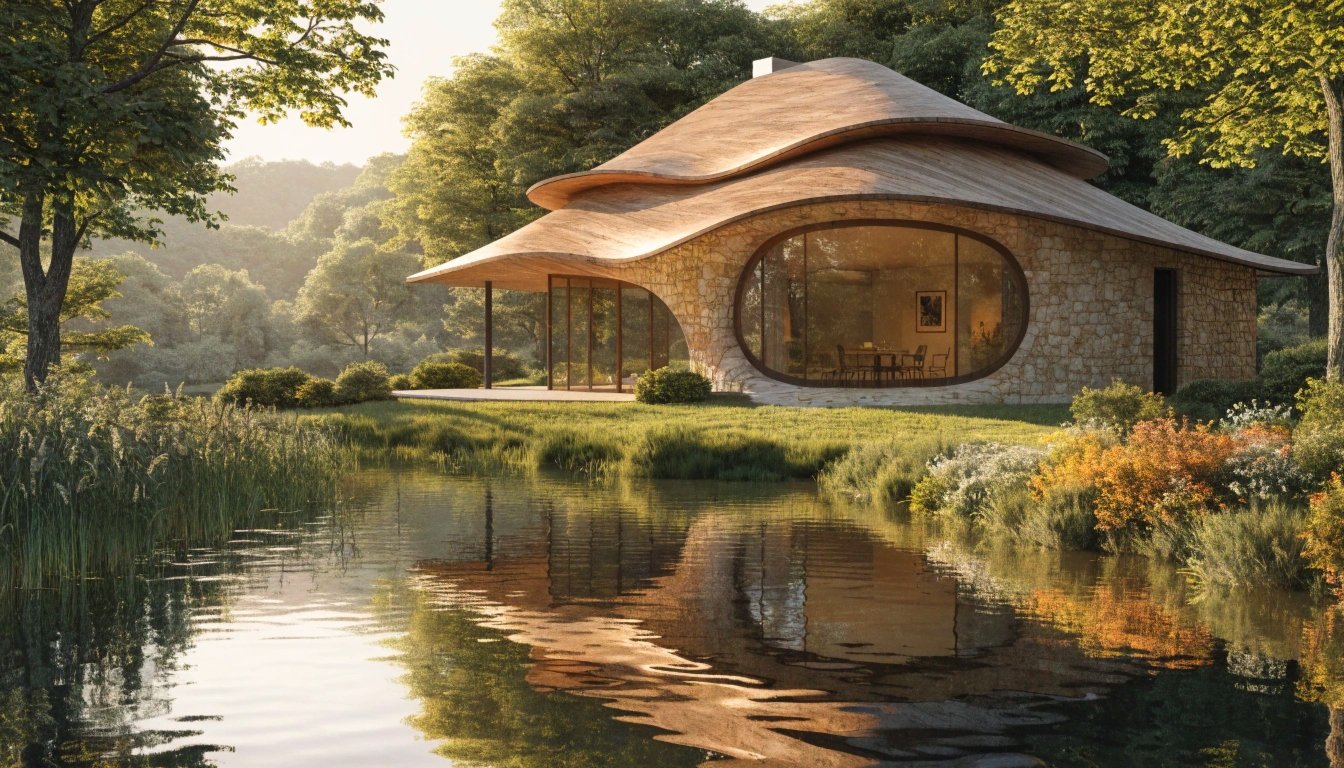
Design Around the Site Instead of Fighting It
Before changing the landscape, notice what is already working: mature trees, natural drainage, prevailing breezes, existing shade and native planting. Preserving useful site features can often be more sustainable than removing everything and rebuilding the landscape from zero.
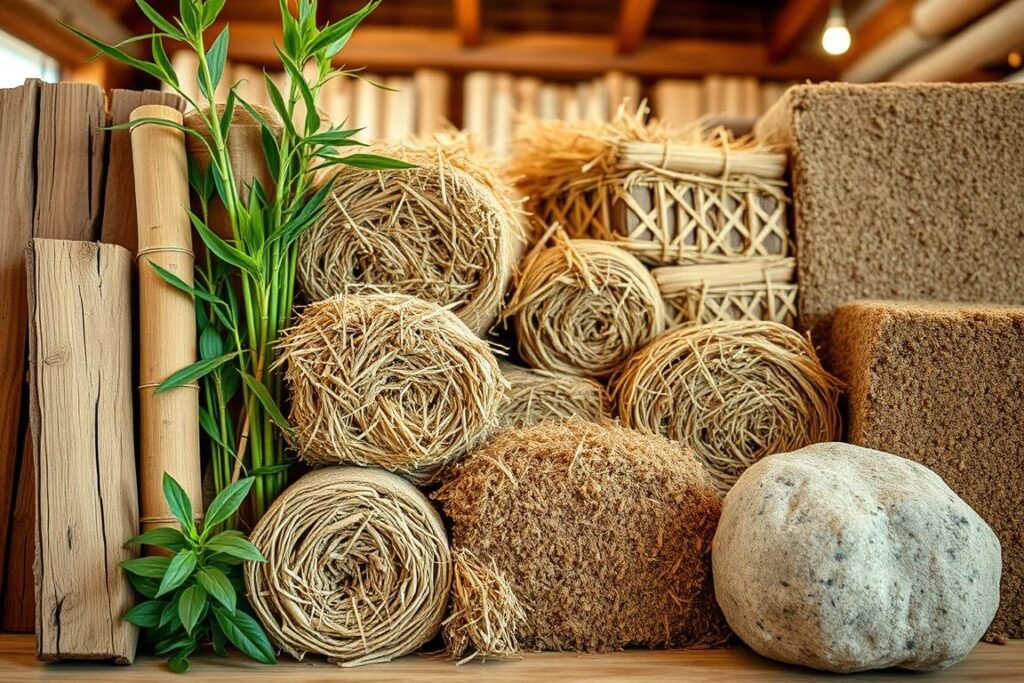
Sustainable Materials That Add Warmth and Texture
Natural does not automatically mean sustainable, and synthetic does not automatically mean wasteful. A better question is: How was this material sourced, how long will it last, and what happens when it wears out?
| Material | Why It Works | What to Check |
|---|---|---|
| Reclaimed wood | Reuses existing material and adds character | Condition, previous finishes and structural suitability |
| Bamboo | Fast-growing and visually warm | Adhesives, finish quality and product durability |
| Jute and natural fibers | Add texture with plant-based fibers | Care requirements, shedding and sourcing |
| Low- or zero-VOC finishes | Can reduce emissions from paints and coatings | Actual VOC certification and application requirements |
| Certified wood | Can support better forest management | Look for credible certification such as FSC |
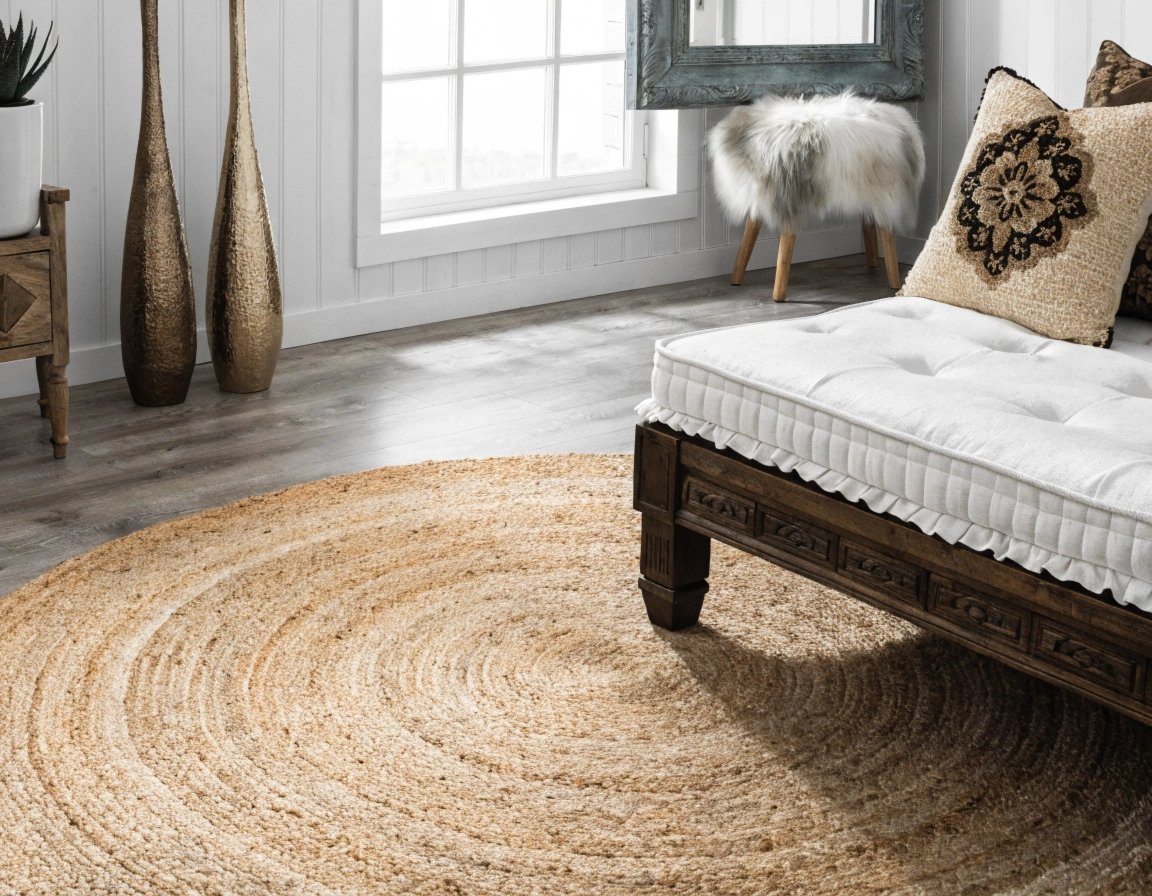
A Natural-Fiber Rug Is an Easy Starting Point
If you want the organic look without renovating, a textured rug is one of the fastest ways to introduce a grounded, nature-inspired layer. The nuLOOM Rigo Handwoven Jute Area Rug is a useful example of the look: neutral, tactile and easy to combine with wood, linen and warm white interiors.
Bring the Outdoors In with Biophilic Design
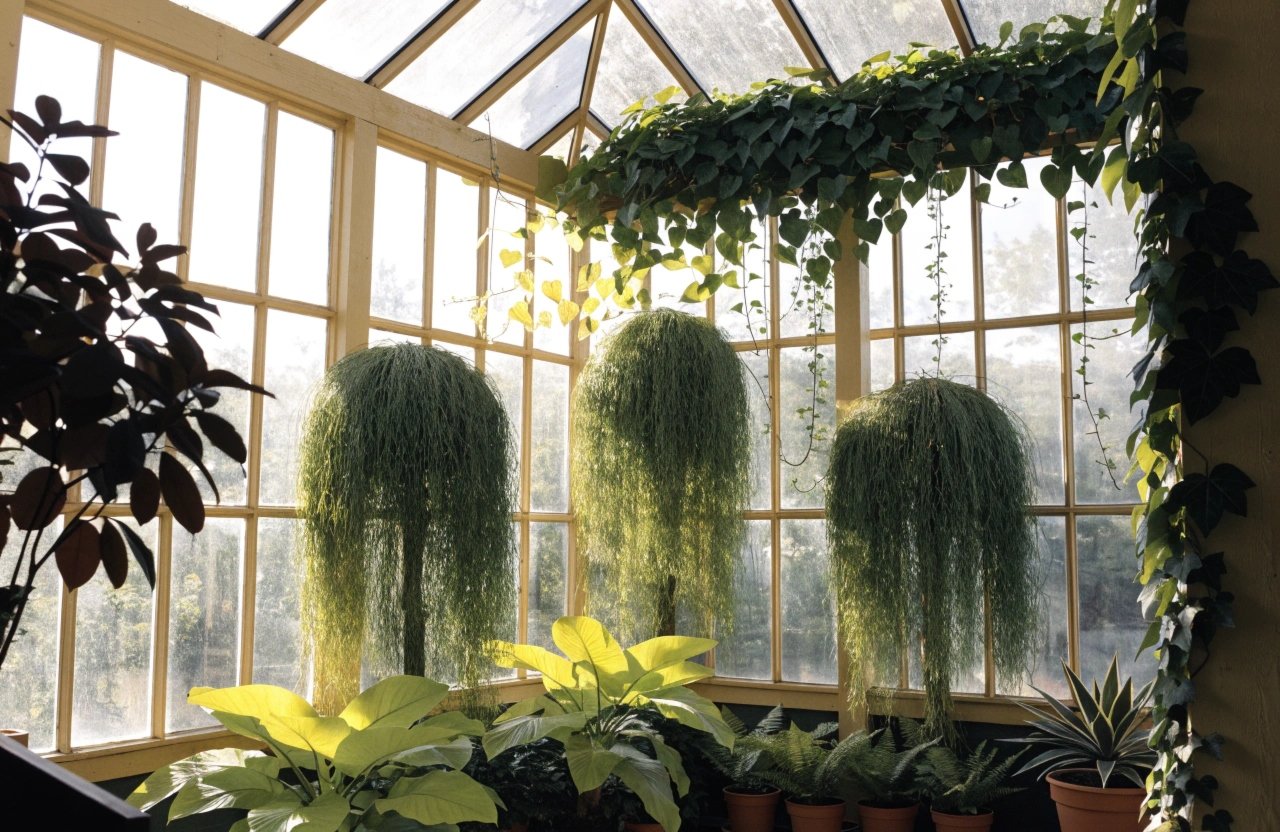
Biophilic design is broader than adding a few houseplants. It can include daylight, natural textures, organic shapes, views of greenery, seasonal flowers and a palette inspired by stone, soil, leaves and water.
Use Plants for Atmosphere, Not Miracle Claims
Houseplants can make a room feel calmer and more connected to nature, but ordinary indoor plant collections should not be treated as a substitute for ventilation or air filtration. Choose plants because they thrive in your light and humidity conditions and because you enjoy caring for them.
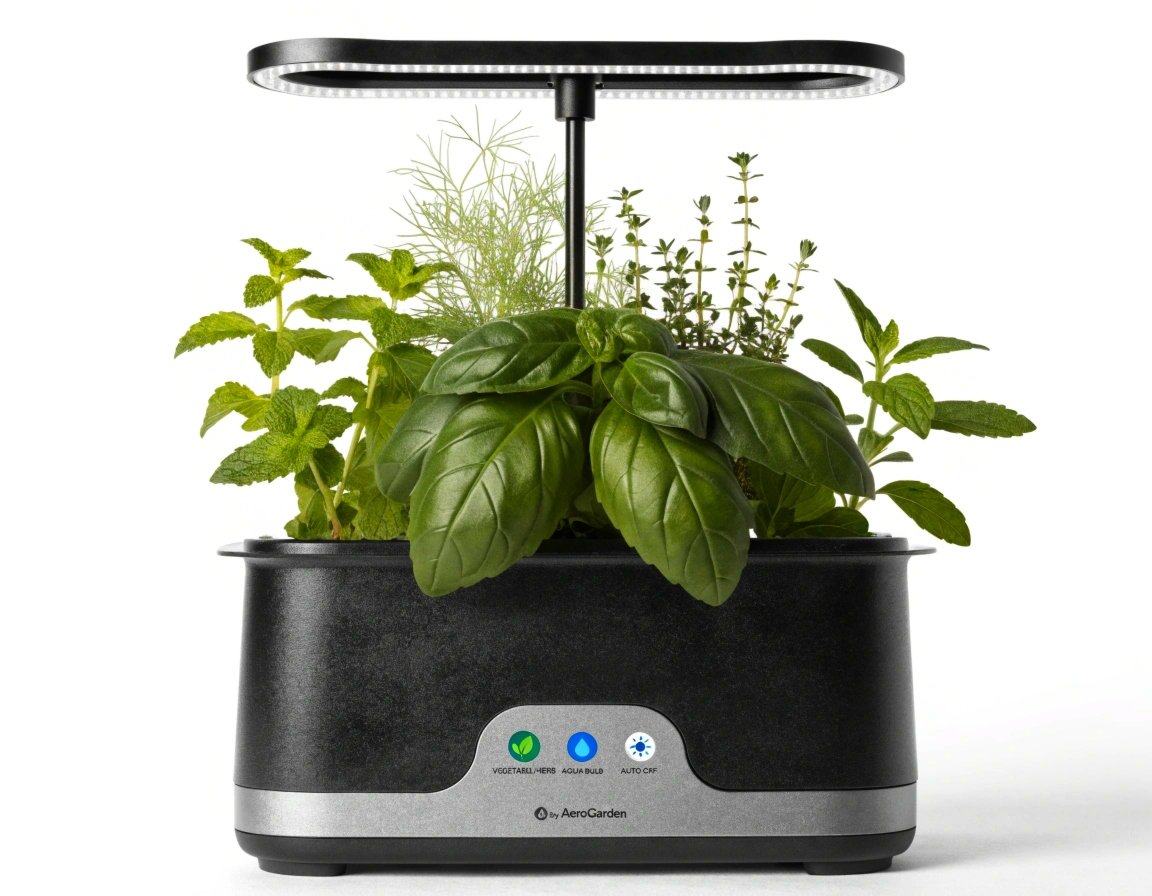
For a kitchen, herbs are especially practical because the greenery is decorative and useful. A compact countertop system such as the AeroGarden Harvest Indoor Garden can work well where window light is limited.
Create an Organic Kitchen That Still Feels Practical
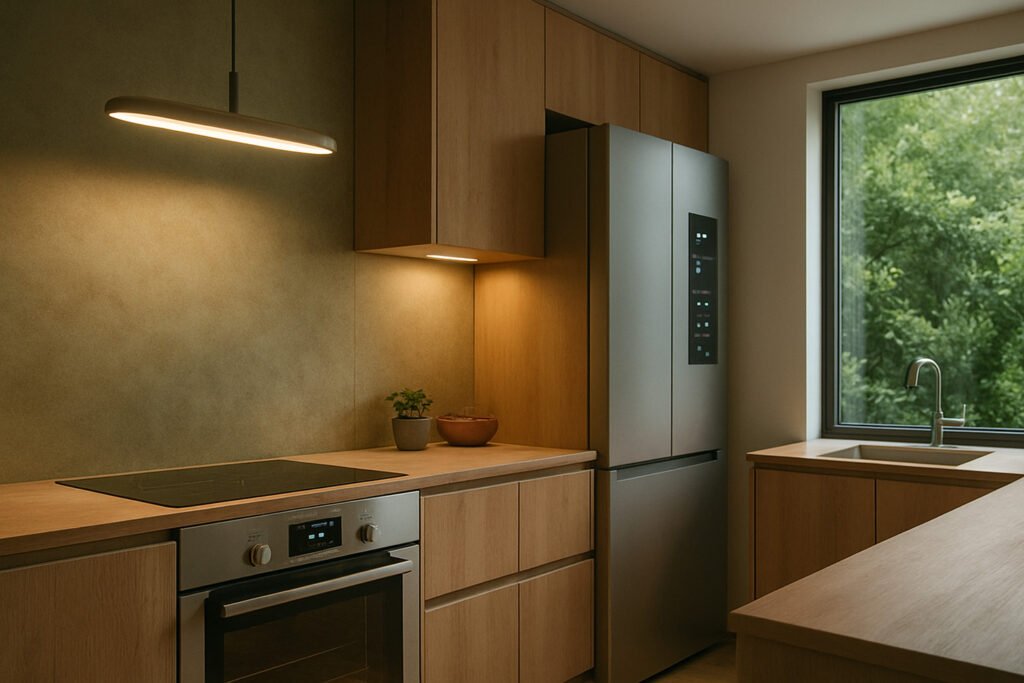
A sustainable kitchen should be easy to use. Start with the parts that affect daily habits: storage, food waste, lighting, water use and appliances. When replacing a major appliance, compare energy performance rather than assuming a product is efficient because it is newer.
Choose Cabinetry and Countertops for Longevity
Reclaimed wood, responsibly sourced timber and recycled-content surfaces can all be good options, but durability matters just as much. A countertop that survives years of daily use may be a better environmental choice than a fragile material that needs replacement.
Make Small Low-Waste Swaps Where They Actually Help
Reusable items are most useful when they replace something you were already buying repeatedly. For laundry, for example, Handy Laundry Wool Dryer Balls are a popular reusable alternative to disposable dryer sheets. This makes it a practical reusable option to consider rather than a purely decorative “eco” purchase.
If you are reorganizing the kitchen or bathroom too, see the guide to under-sink organizers for small kitchens and bathrooms.

Design a Calm Organic Bedroom
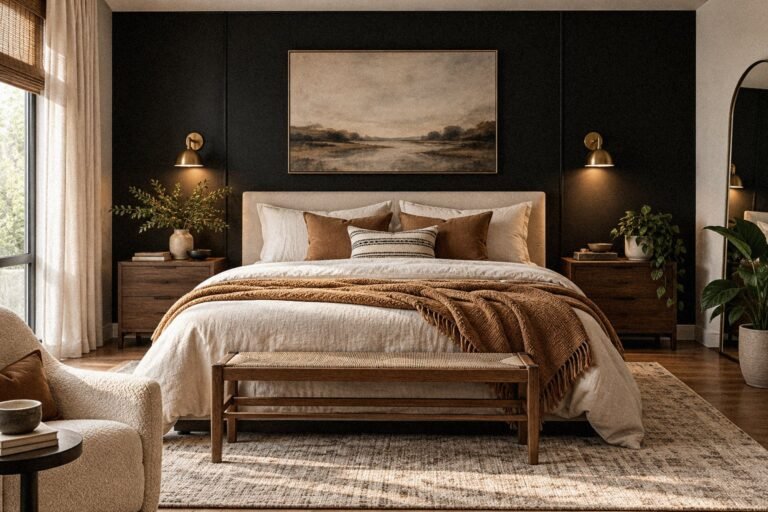
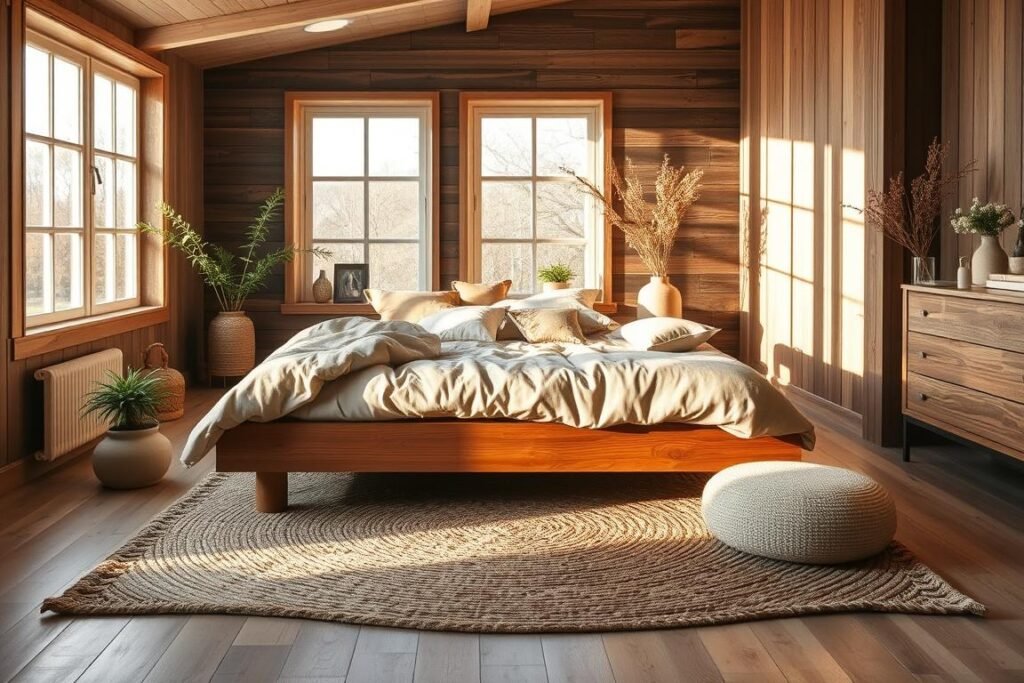
The bedroom is one of the easiest rooms to simplify. A restrained palette, breathable bedding, soft lighting, a natural-fiber rug and a few well-chosen pieces of wood furniture can create the organic feel without a full makeover.
Natural Bedding Is a High-Impact Visual and Tactile Upgrade
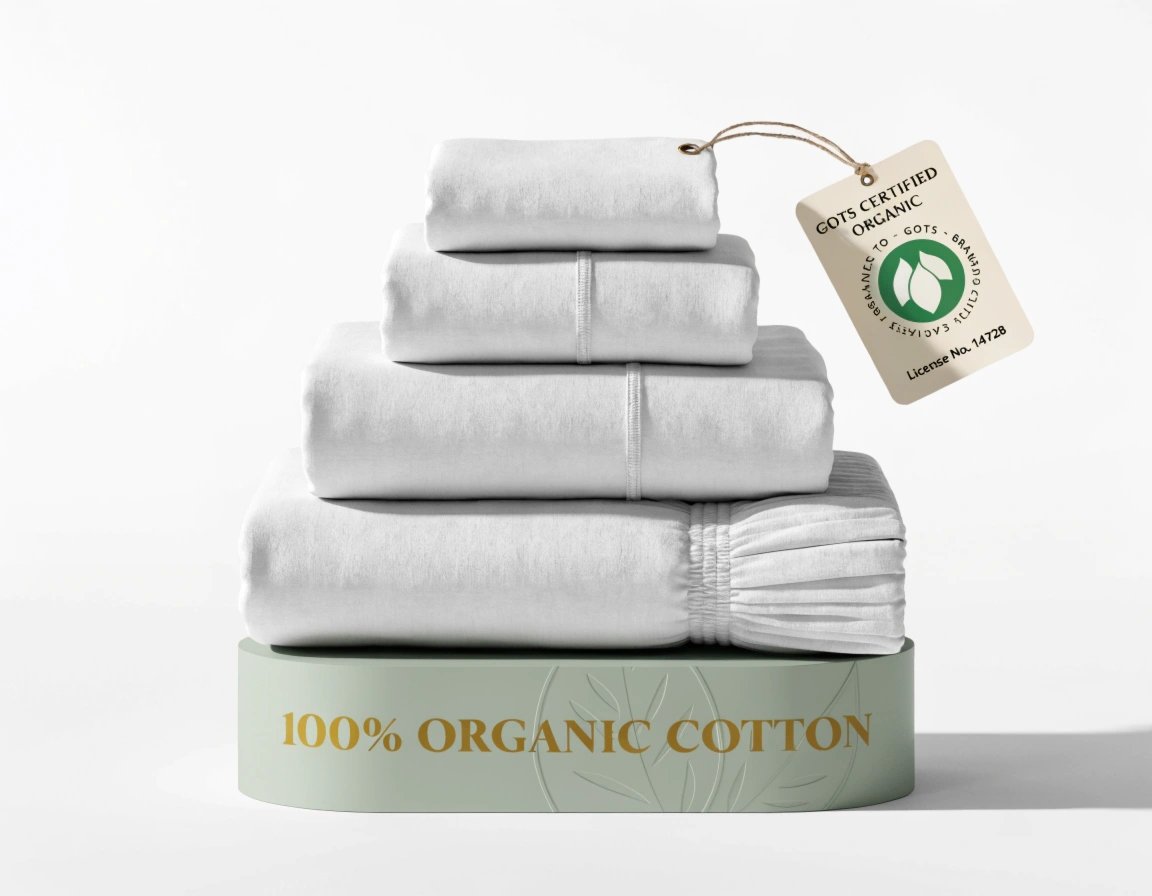
For bedding, look at fiber content and credible textile certifications rather than relying on vague marketing language. The LANE LINEN GOTS-Certified Organic Cotton Percale Queen Sheet Set is a strong fit for this section. Its GOTS certification makes it a more relevant example than bedding that relies only on vague “natural” or “eco” marketing claims.
Layer it with a jute or wool rug, linen-look curtains and warm wood rather than adding lots of small decorative objects. The room will feel calmer and easier to maintain.
Build an Eco-Conscious Bathroom Around Water Use
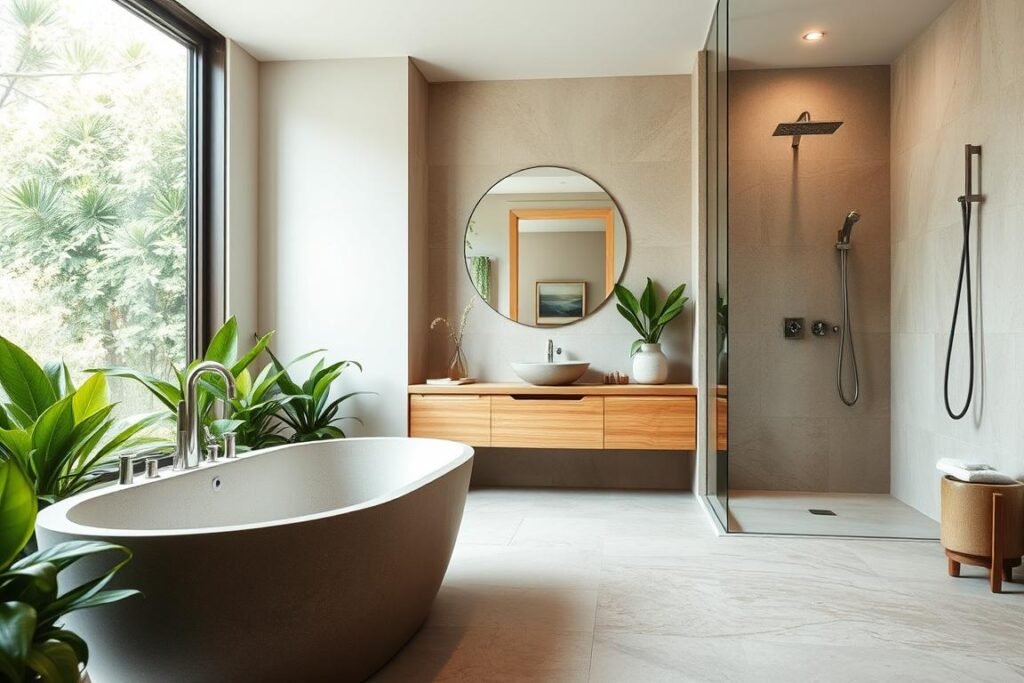
In the bathroom, water efficiency is more important than decorating with products labeled ‘natural.’ If your current showerhead uses a high flow rate, replacing it with an efficient model can reduce water use without changing your entire bathroom.
Try a Low-Flow Showerhead
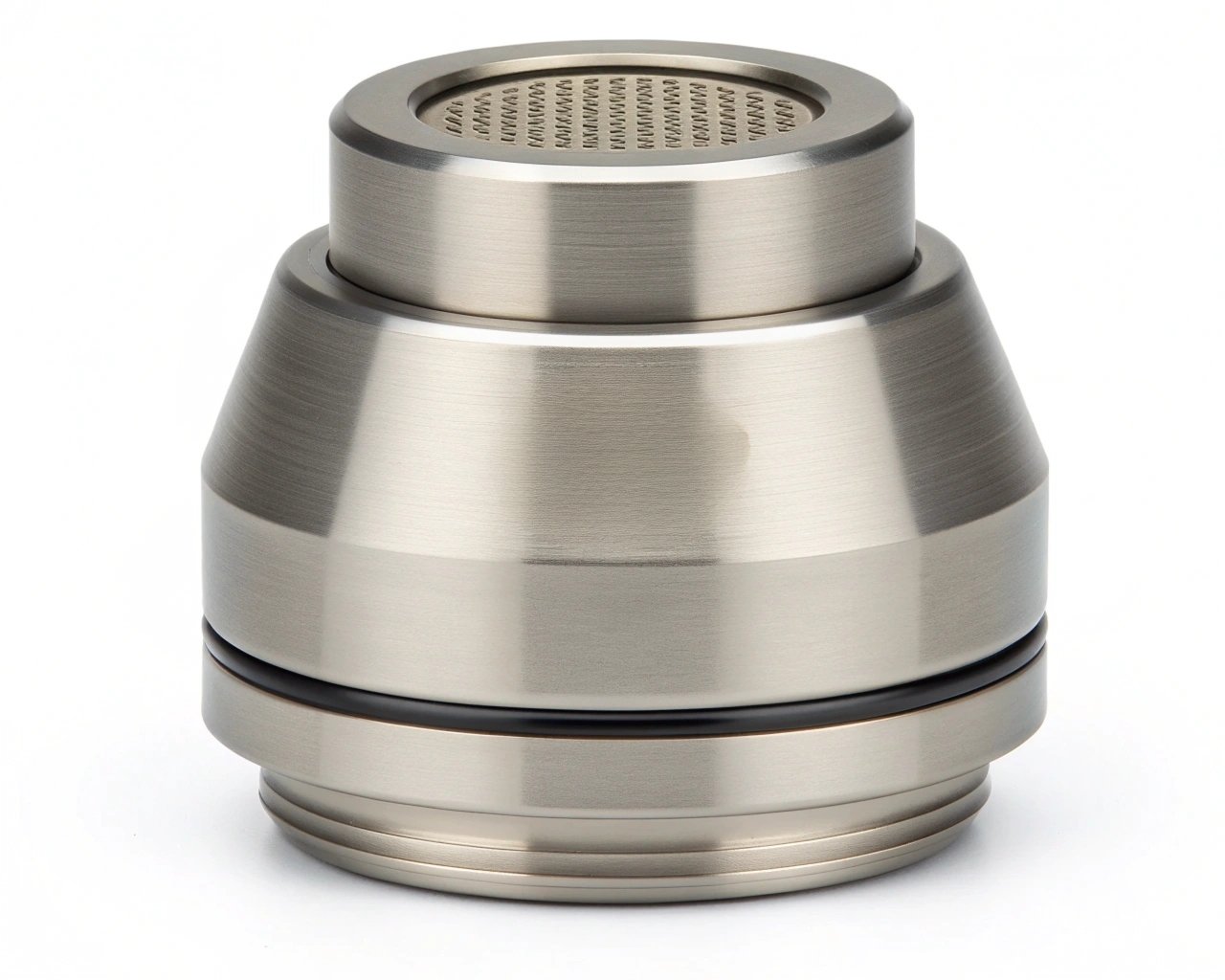
The Niagara Earth Massage Low-Flow Showerhead is designed specifically around lower water flow and is a more directly relevant sustainable-home purchase than decorative ‘eco bathroom’ accessories.
For vanities and shelving, reclaimed or certified wood can reinforce the organic look. In humid rooms, choose materials and finishes that can tolerate moisture so the ‘sustainable’ choice also lasts.
Create an Outdoor Organic Oasis with Native Planting
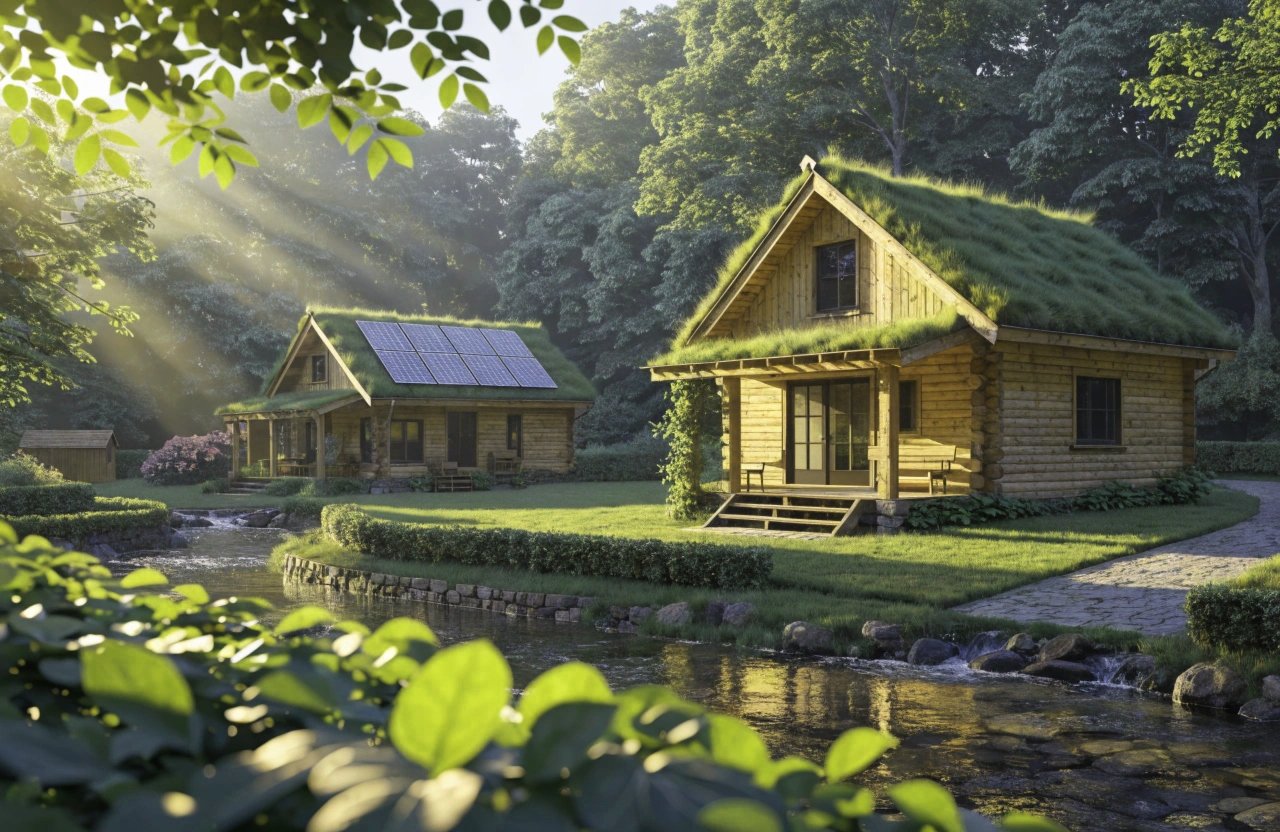
The most sustainable garden is usually one adapted to its own climate. Native and climate-appropriate plants can support local wildlife and often require less intervention once established. Before buying plants, check your region, soil, sunlight and local invasive-species guidance.

Plant for Pollinators Across the Seasons
Instead of relying on one flower type, combine plants with different bloom periods. This can provide a longer season of color and a more consistent food source for pollinators. Avoid assuming that a plant is beneficial everywhere: native status and ecological value vary by region.
Add an Edible Layer
Herbs, berries, salad greens and fruit trees can make an outdoor space more productive while preserving the relaxed organic aesthetic. Even a small patio can support containers of herbs and compact vegetables.
Maintain the Home with a ‘Use What You Have’ Mindset
Sustainability is not finished when the design is complete. Maintenance determines how long materials, furniture and textiles last.
- Repair furniture before replacing it when the structure is still sound.
- Use washable textiles in high-use areas.
- Follow care instructions for jute, wood, linen and natural finishes.
- Choose cleaning products based on effectiveness, ingredient transparency and suitability for the surface—not simply because the label says ‘green.’
- Adjust curtains, shades and ventilation seasonally to improve comfort before relying only on heating or cooling.
If you have older wood furniture worth saving, the guide to the best paint brands for furniture makeovers can help you refresh it instead of replacing it.
Practical Amazon Picks for an Organic-Style Home
If you want a short shopping list instead of redesigning everything at once, these products each have a clear practical role:
- nuLOOM Rigo Handwoven Jute Area Rug — natural texture for bedrooms and living rooms.
- AeroGarden Harvest Indoor Garden — countertop herbs where natural light is limited.
- LANE LINEN Organic Cotton Percale Sheet Set — GOTS-certified organic cotton bedding.
- Niagara Earth Massage Low-Flow Showerhead — a practical water-saving bathroom upgrade.
- Handy Laundry Wool Dryer Balls — reusable laundry accessory that can replace disposable dryer sheets.
Final Thoughts: Build Your Sustainable Oasis Gradually
A beautiful organic home does not require a dramatic renovation or dozens of new ‘eco’ products. Start with daylight, durable materials, efficient fixtures and the things you touch every day: bedding, rugs, storage, water use and greenery.
The most convincing organic interiors feel collected rather than purchased all at once. Keep the pieces that already work, repair what can be saved, add natural texture where the room needs warmth, and make future purchases deliberately. That is how a sustainable oasis becomes not just a look, but a home that genuinely works for you.