10 DIY Wall Decor Ideas That Look Stylish, Not Homemade
Disclosure: This post contains affiliate links. I may earn a commission from qualifying purchases at no additional cost to you. As an Amazon Associate I earn from qualifying purchases.
Blank walls are one of the easiest places to add personality without replacing furniture or changing an entire room. These DIY wall decor ideas range from painted canvas and gallery walls to embroidery, mixed-media art and floating shelves. Most can be adapted to a living room, bedroom, hallway or home office, and several work well for beginners.
Quick DIY Wall Decor Supplies Worth Having
You do not need a large craft room to start. A small set of versatile supplies can cover several of the projects below.
| Supply | Useful for | Amazon pick |
|---|---|---|
| Acrylic paint | Canvas, wood, signs and mixed-media projects | Shuttle Art 36-Color Acrylic Paint Set |
| Picture frames | Gallery walls, prints and family photos | upsimples 10-Pack Picture Frame Set |
| Embroidery supplies | Hoop art and textile wall decor | Caydo Embroidery Starter Kit |
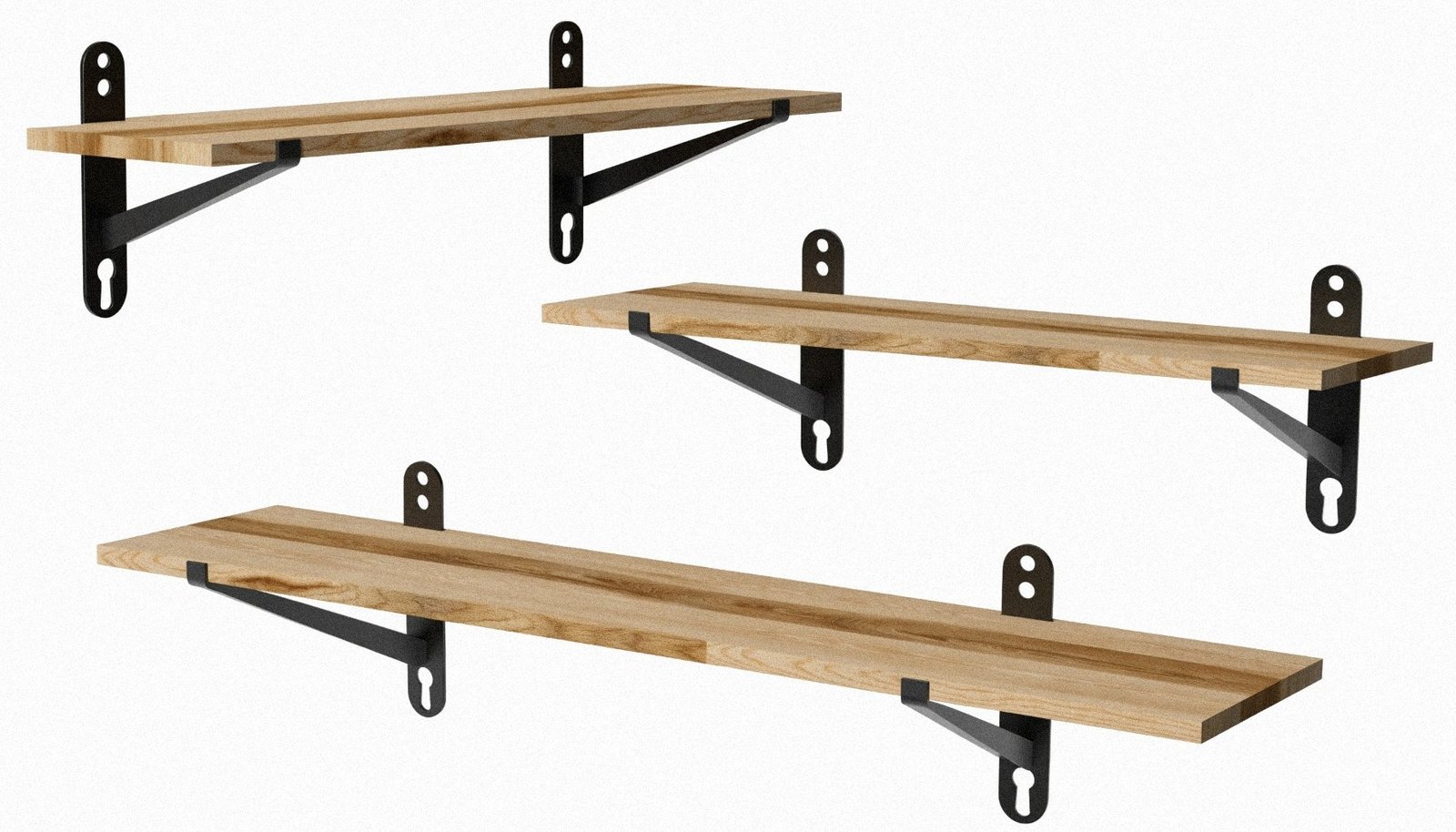
| Floating shelves | Layered wall displays and small-space decor | Love-KANKEI Floating Shelves, Set of 3 |
The paint set is a practical choice for several surfaces, while the frame set gives you multiple sizes for a gallery-wall layout. The Caydo kit includes hoops, thread and basic tools, and the Love-KANKEI shelves combine display space with wall storage. Product availability and prices can change, so check the current Amazon listing before buying.
1. Paint Simple Abstract Canvas Art
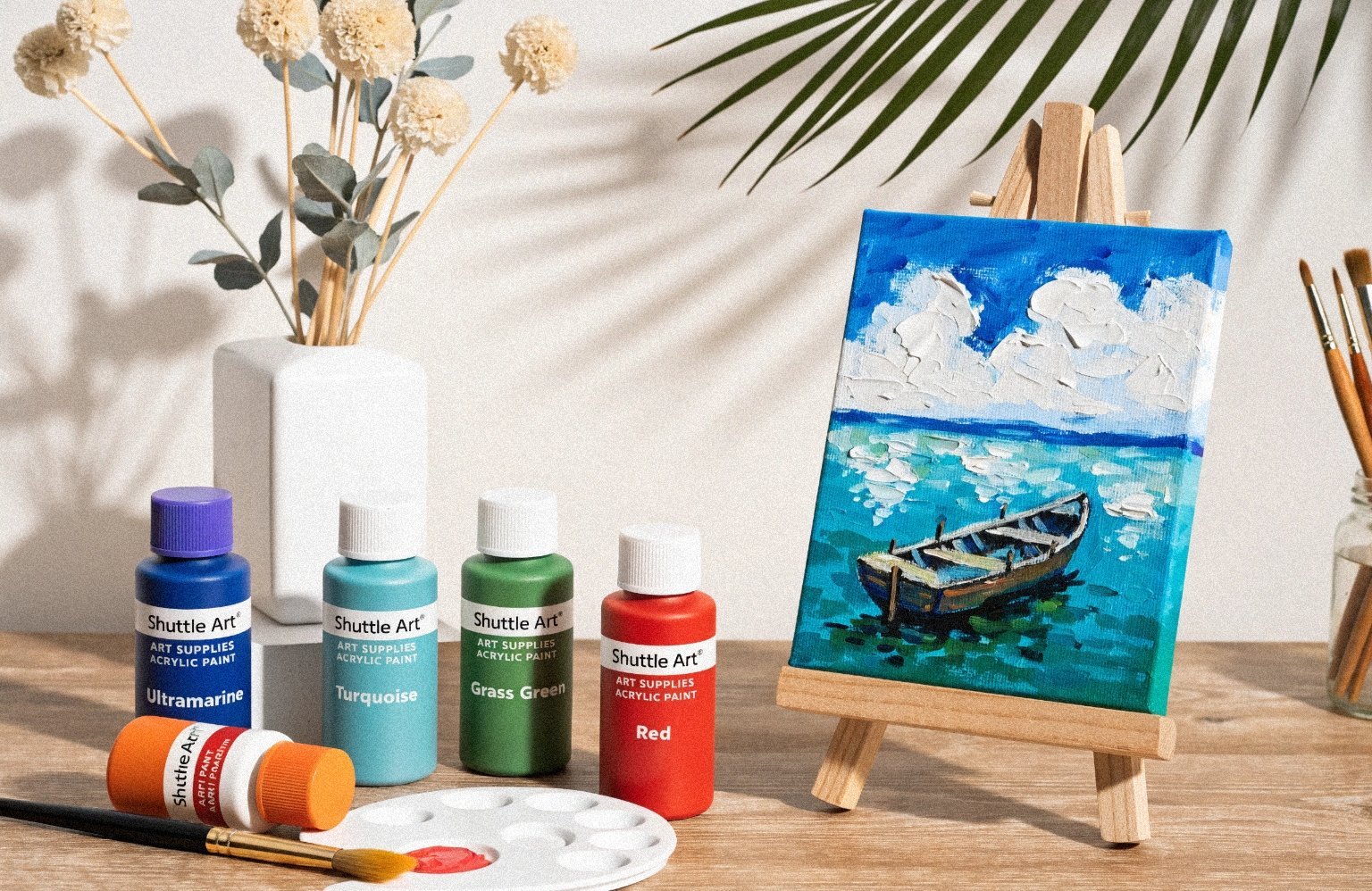
Large abstract art can look expensive, but it is one of the most forgiving DIY wall projects. Start with a stretched canvas or canvas board and choose three to five colors already present in your room. A warm neutral base with one darker accent usually feels more intentional than using every color in the set.
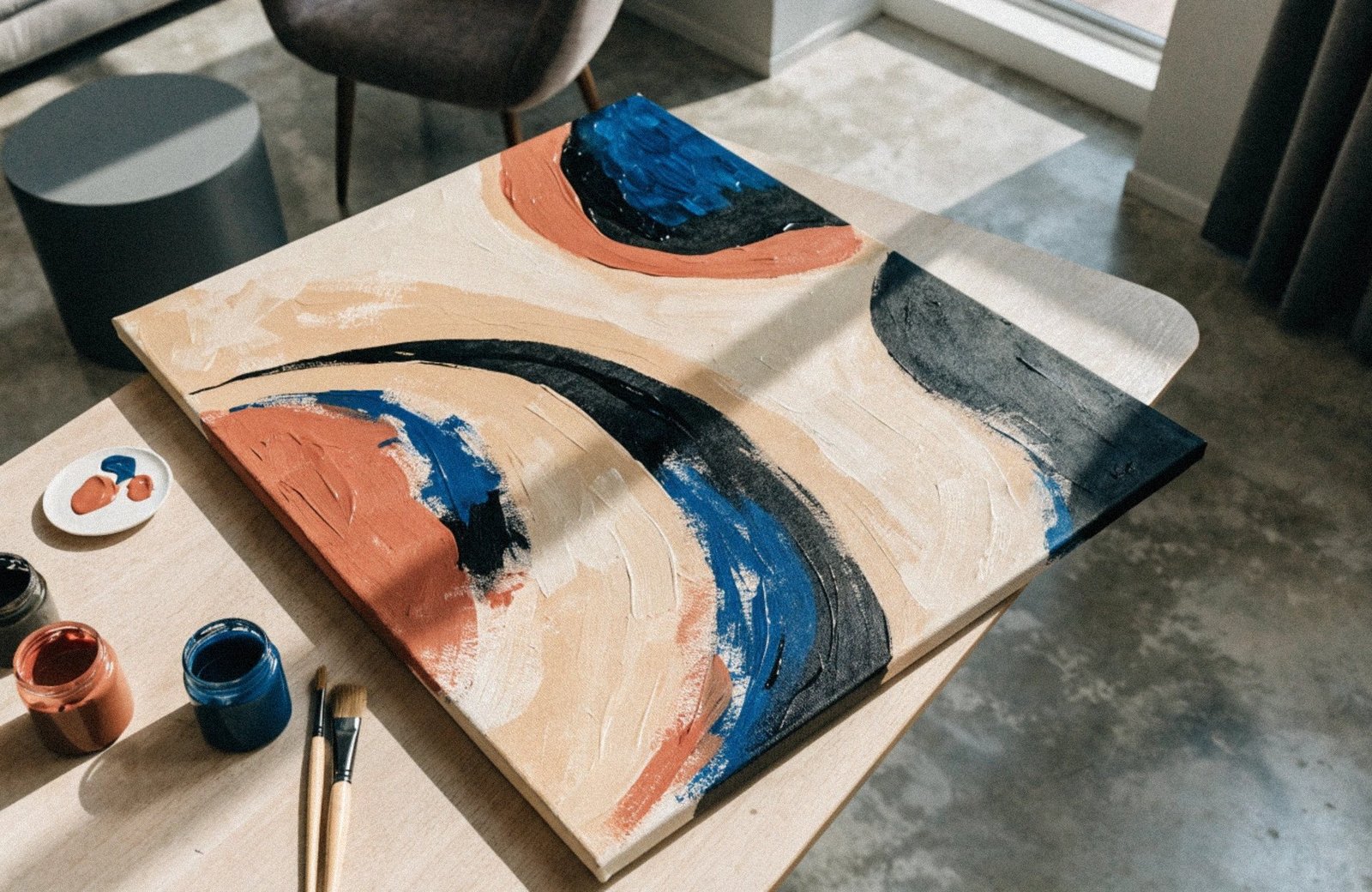
Use a wide brush for the background, then add oversized shapes with a smaller brush or palette knife. Leave some negative space between forms so the composition does not become too busy. If you want a softer result, mix a little white into your main colors rather than adding unrelated pastel shades.
Helpful supply: the Shuttle Art acrylic paint set gives you a broad palette for canvas, wood and other craft surfaces, so it can be reused for several projects in this article.
2. Create a Gallery Wall That Feels Collected
A gallery wall works best when the frames have one unifying feature. That can be the same finish, a repeated mat color or a consistent spacing pattern. The artwork itself can be varied: family photos, botanical prints, children’s drawings, postcards and small paintings can all live together.
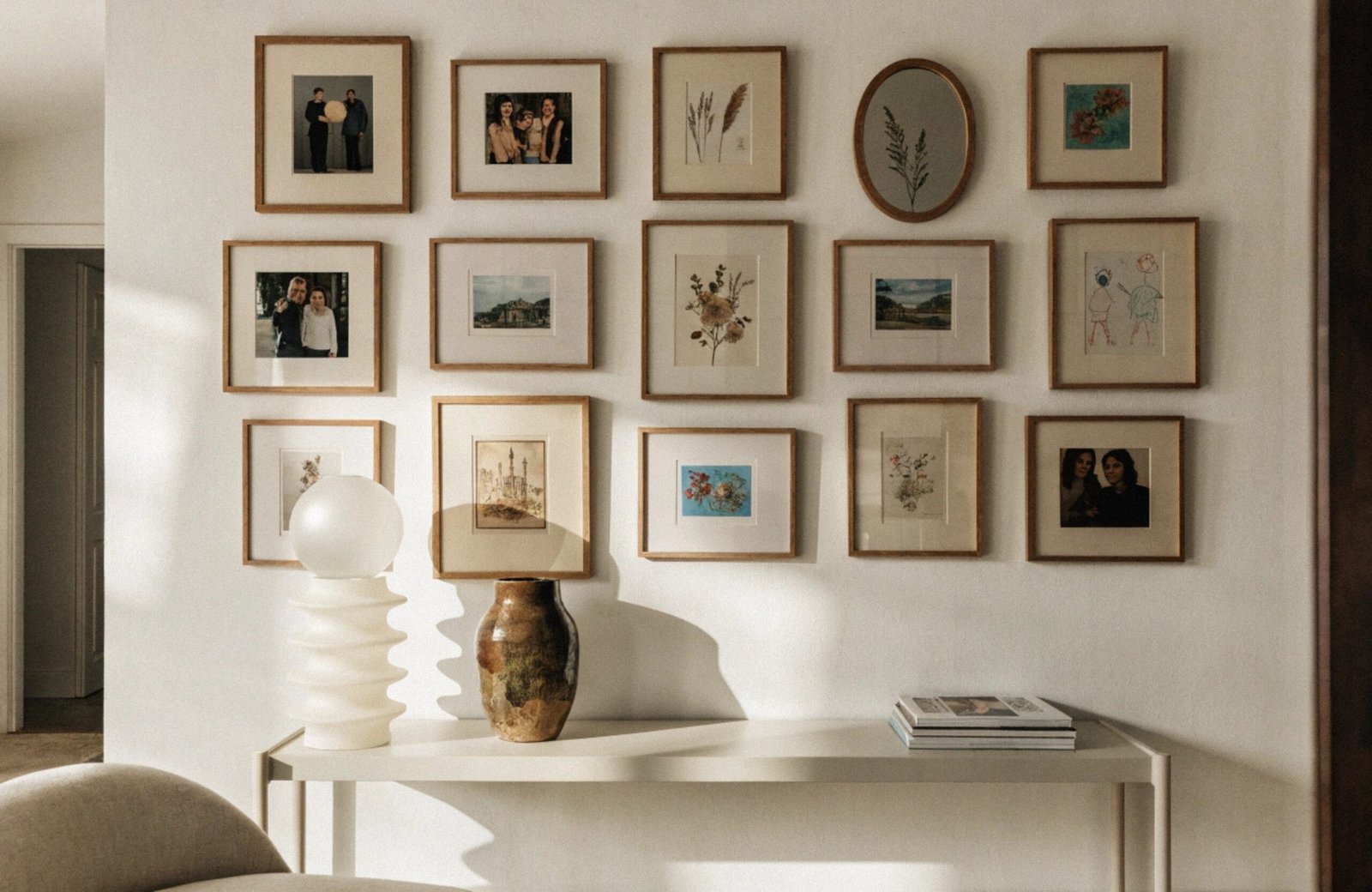
Before hanging anything, trace each frame onto kraft paper, cut out the shapes and tape them to the wall. Move the paper templates until the arrangement feels balanced. For a casual look, keep roughly 2–3 inches between frames; for a cleaner grid, use the same spacing throughout.
The upsimples 10-pack frame set includes several common photo sizes, which makes it easy to build a coordinated layout without buying frames one by one.
3. Turn Embroidery Hoops Into Textile Wall Art
Embroidery hoops can become finished frames, not just sewing tools. Stretch linen, cotton or patterned fabric inside the hoop and trim the excess fabric at the back. You can leave a beautiful textile plain or add a simple stitched motif such as leaves, stars, initials or geometric lines.
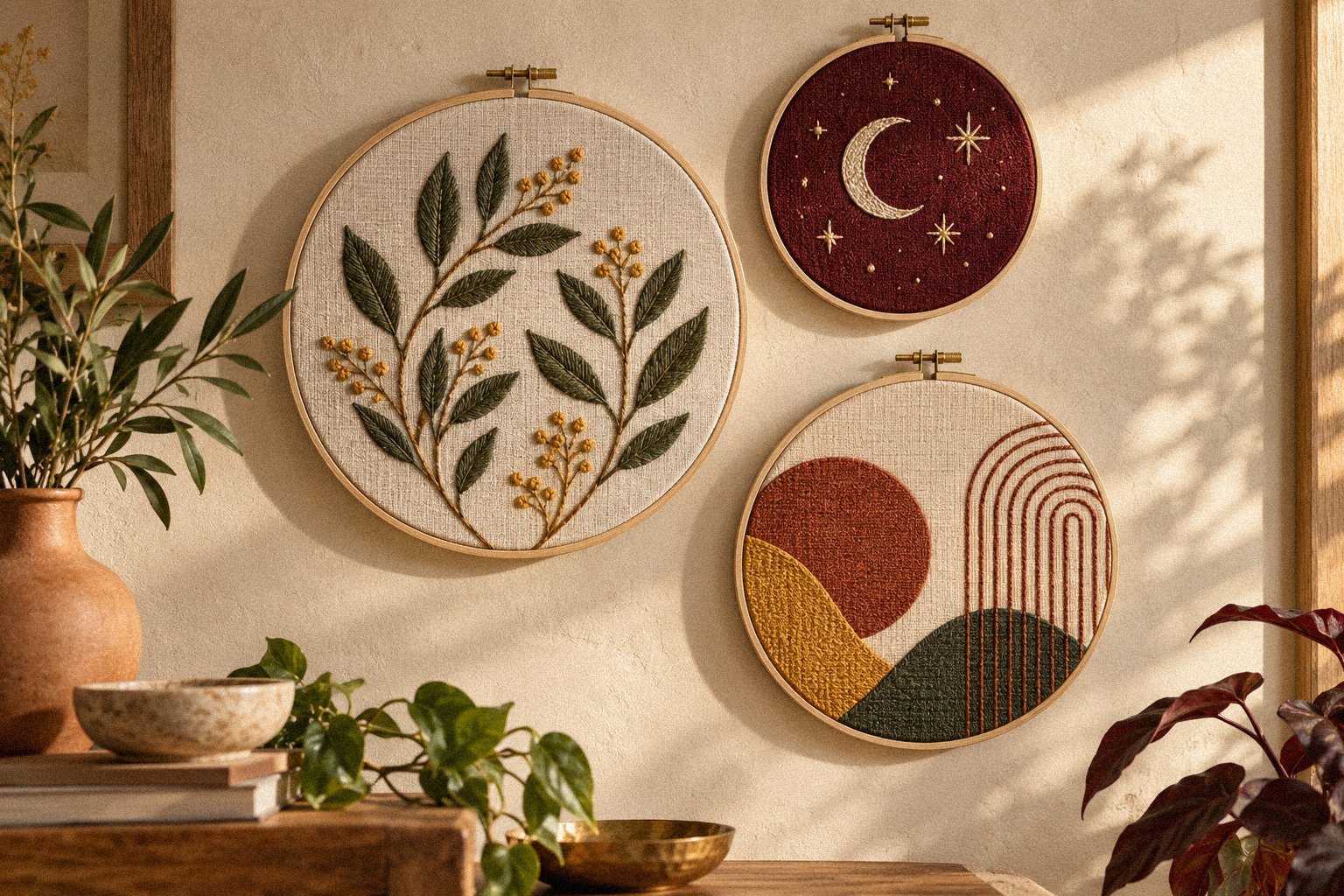
For a small wall cluster, mix three hoop sizes and keep the fabric colors related. A group of cream, olive and terracotta textiles, for example, adds texture without overwhelming the room.
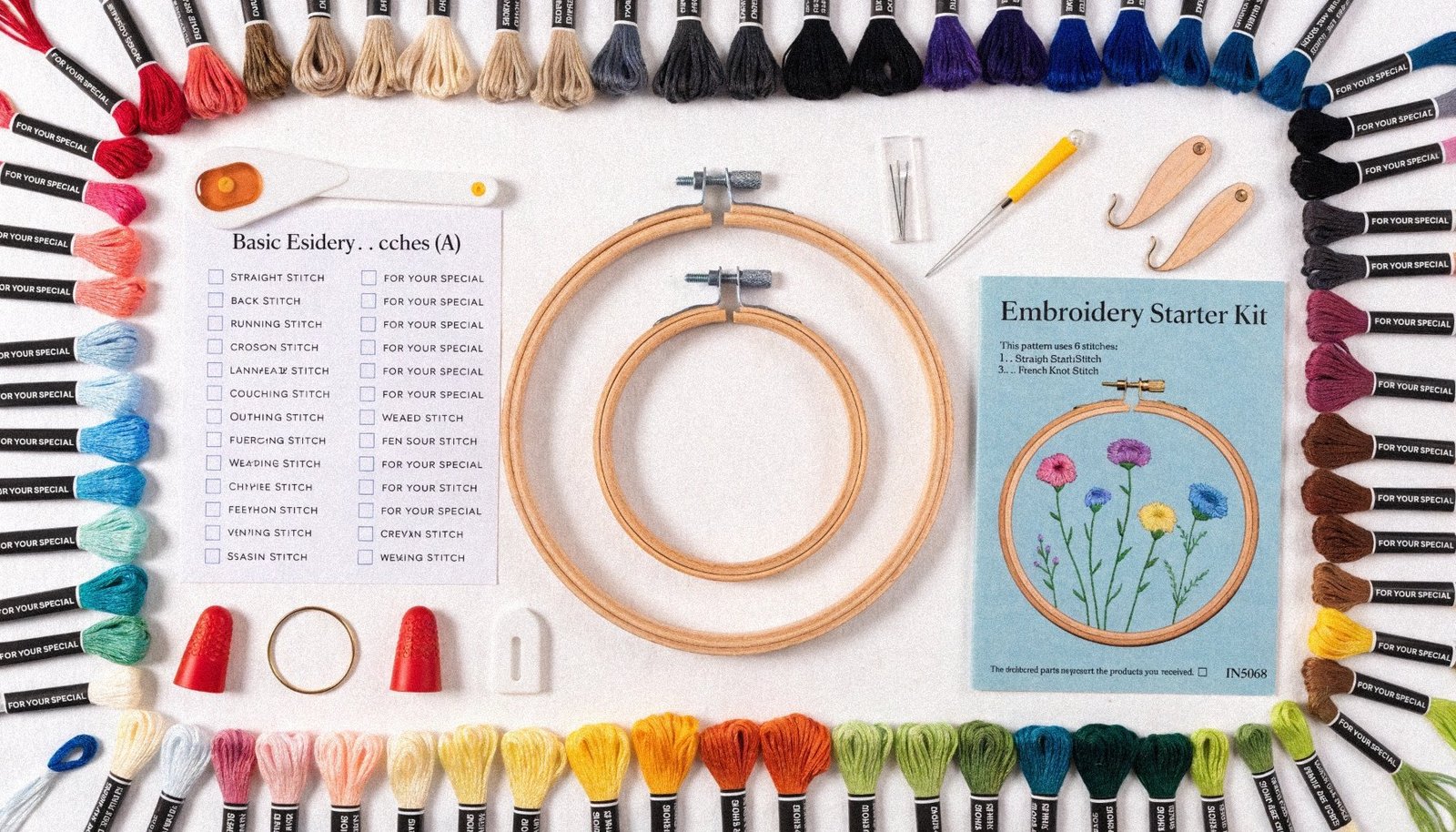
If you are starting from scratch, the Caydo embroidery starter kit includes multiple bamboo hoops, many thread colors and basic tools, so you can experiment before investing in individual supplies.
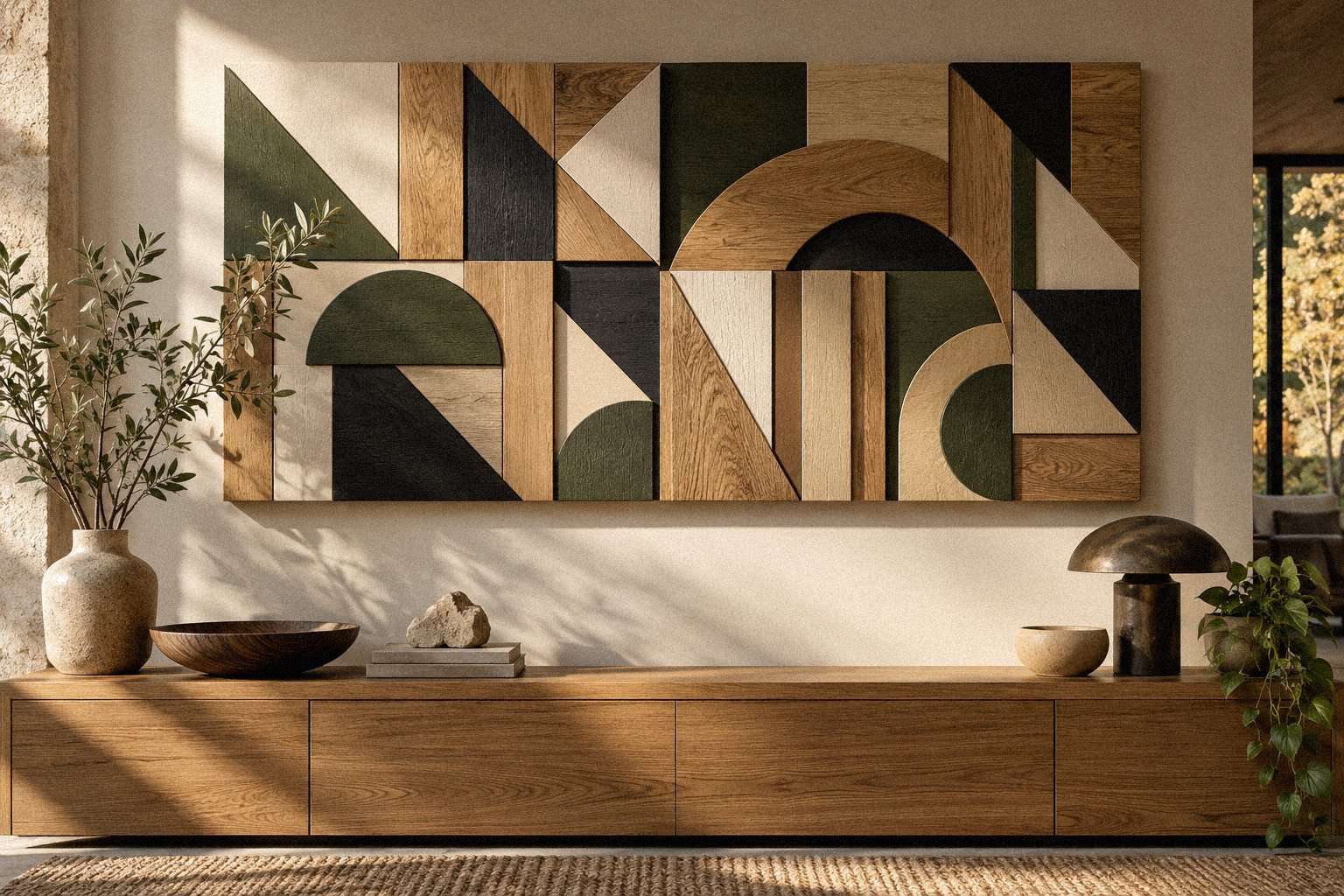
4. Make Geometric Wall Art From Scrap Wood
Small wood offcuts can become a simple geometric wall panel. Cut or collect pieces in a few repeatable shapes, sand the edges and arrange them on a plywood backing. Paint some pieces and leave others natural to create contrast.
A limited palette makes this project look more polished. Try natural wood with black and warm beige, or pale oak with muted green and off-white. Once the layout is final, glue the pieces in place with an adhesive appropriate for wood and the weight of the materials.
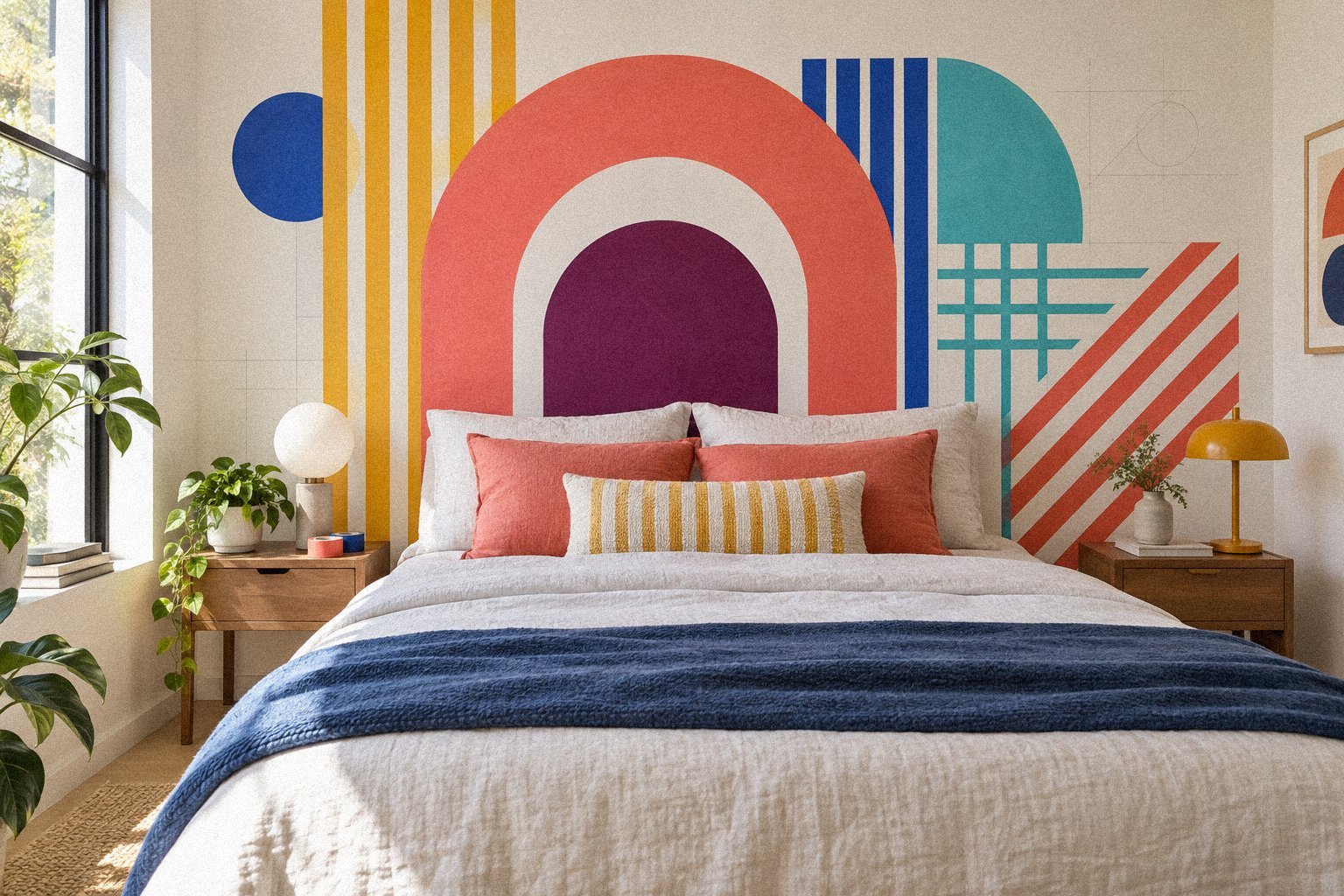
5. Use Washi Tape for Removable Wall Designs
Washi tape is useful when you want a temporary accent without committing to paint. Use it to create simple arches, grids, diagonal lines or a headboard-style outline behind a bed. It works best on smooth, clean walls.
Plan the design with light pencil marks first, then apply long pieces slowly so the lines stay straight. Because paint finishes differ, test a small hidden area before covering a large wall and remove the tape carefully.
6. Frame Fabric Instead of Buying Prints
A striking piece of fabric can become wall art in minutes. Look for textiles with oversized florals, block prints, stripes or woven texture. Stretch the fabric over cardboard or mat board and place it in a simple frame.
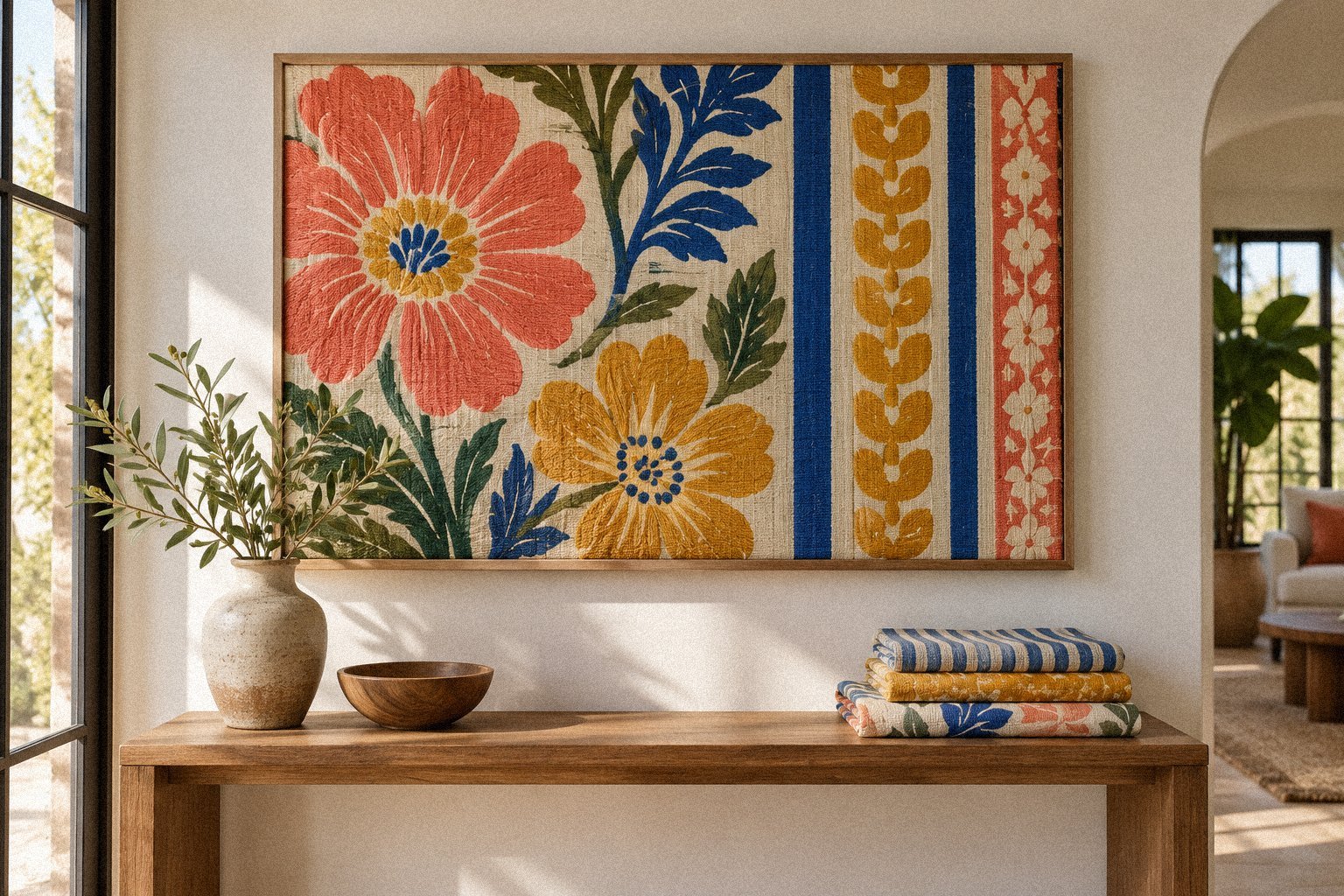
This is especially effective when you want to repeat a color already used in curtains, cushions or upholstery. It also gives leftover fabric a purpose instead of letting it sit in a drawer.
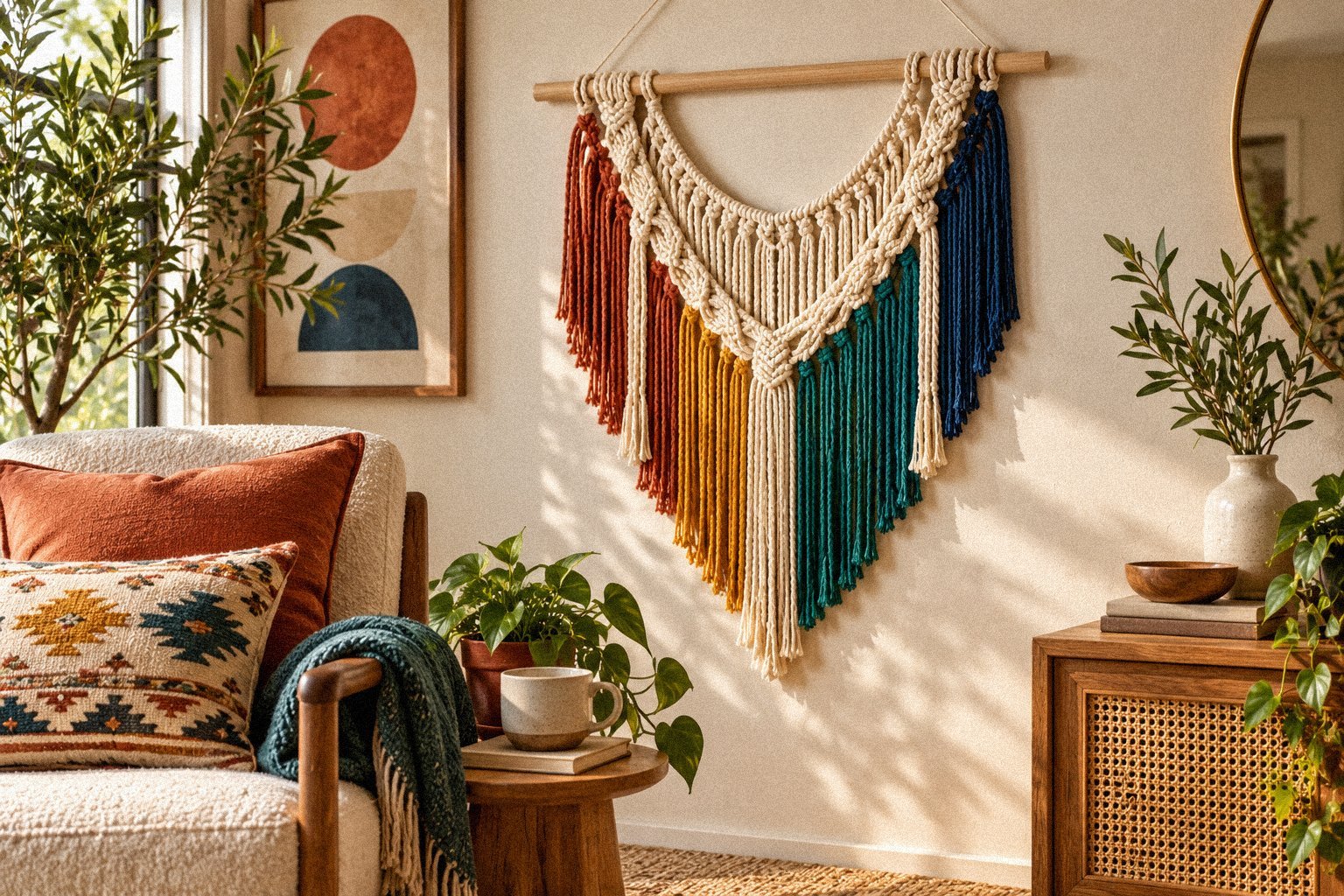
7. Build a Simple Macramé Wall Hanging
You do not need an elaborate pattern to make a textural macramé piece. A dowel, cotton cord and two or three basic knots are enough for a clean beginner design. Keep the finished shape simple—straight fringe, a shallow V or an asymmetrical edge.
Natural cotton looks good in boho and Scandinavian interiors, but dyed cord can work beautifully in a colorful room. Hang the piece where the texture can be seen from the side as well as from the front, such as beside a reading chair or above a narrow console.
8. Style Floating Shelves as Wall Decor
Floating shelves are practical, but they can also solve the problem of a wall that feels empty. Instead of filling every inch, create a few small groups: a framed print with a ceramic object, a stack of books with a plant, or a small photo beside a sculptural piece.
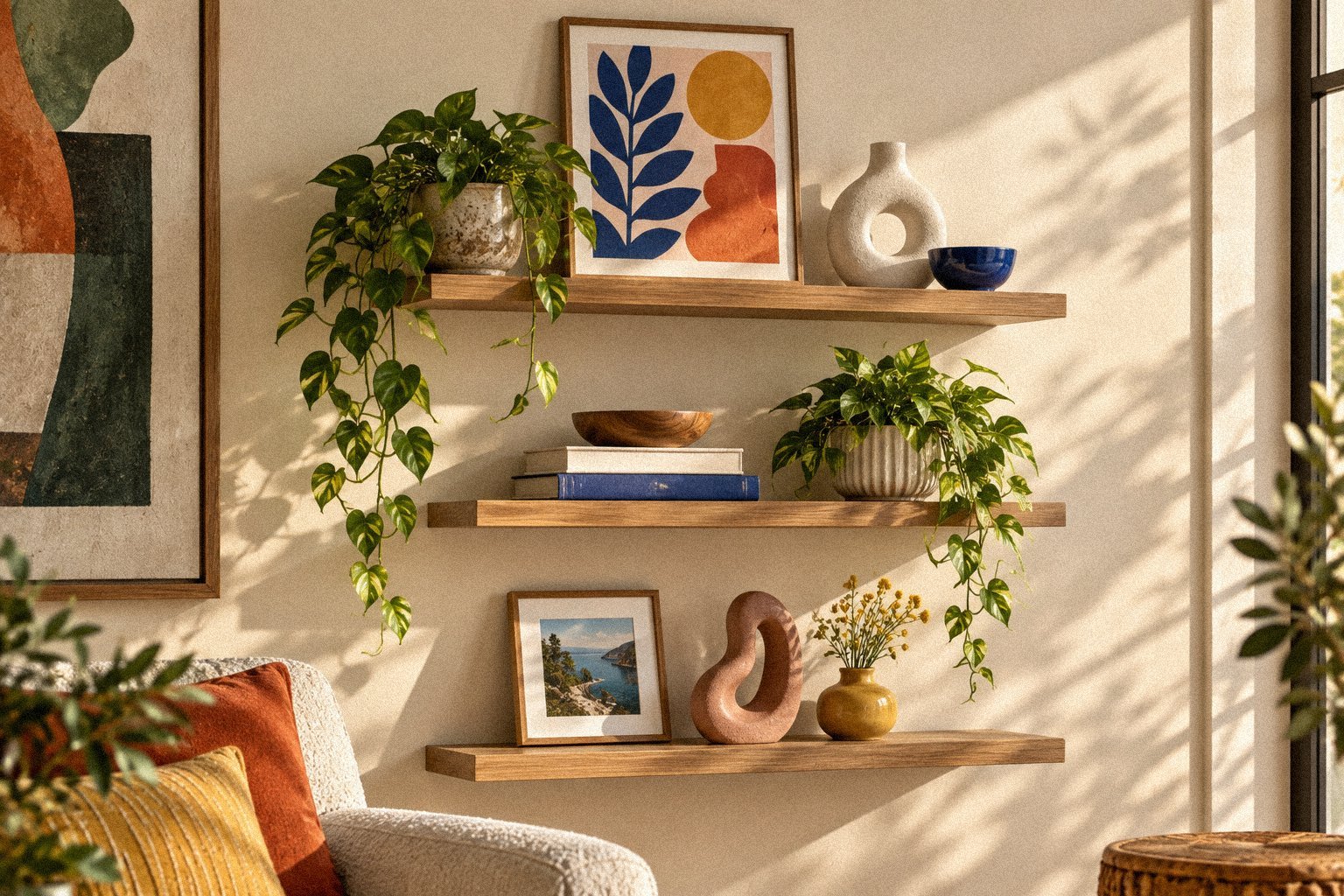
The Love-KANKEI set of 3 floating shelves uses wood shelves with metal brackets and works well for a casual rustic or modern-organic look.
Always use wall anchors or studs appropriate for your wall type and follow the manufacturer’s weight limits. Decorative shelves are not the place to guess about mounting hardware.
9. Make Oversized Paper Art
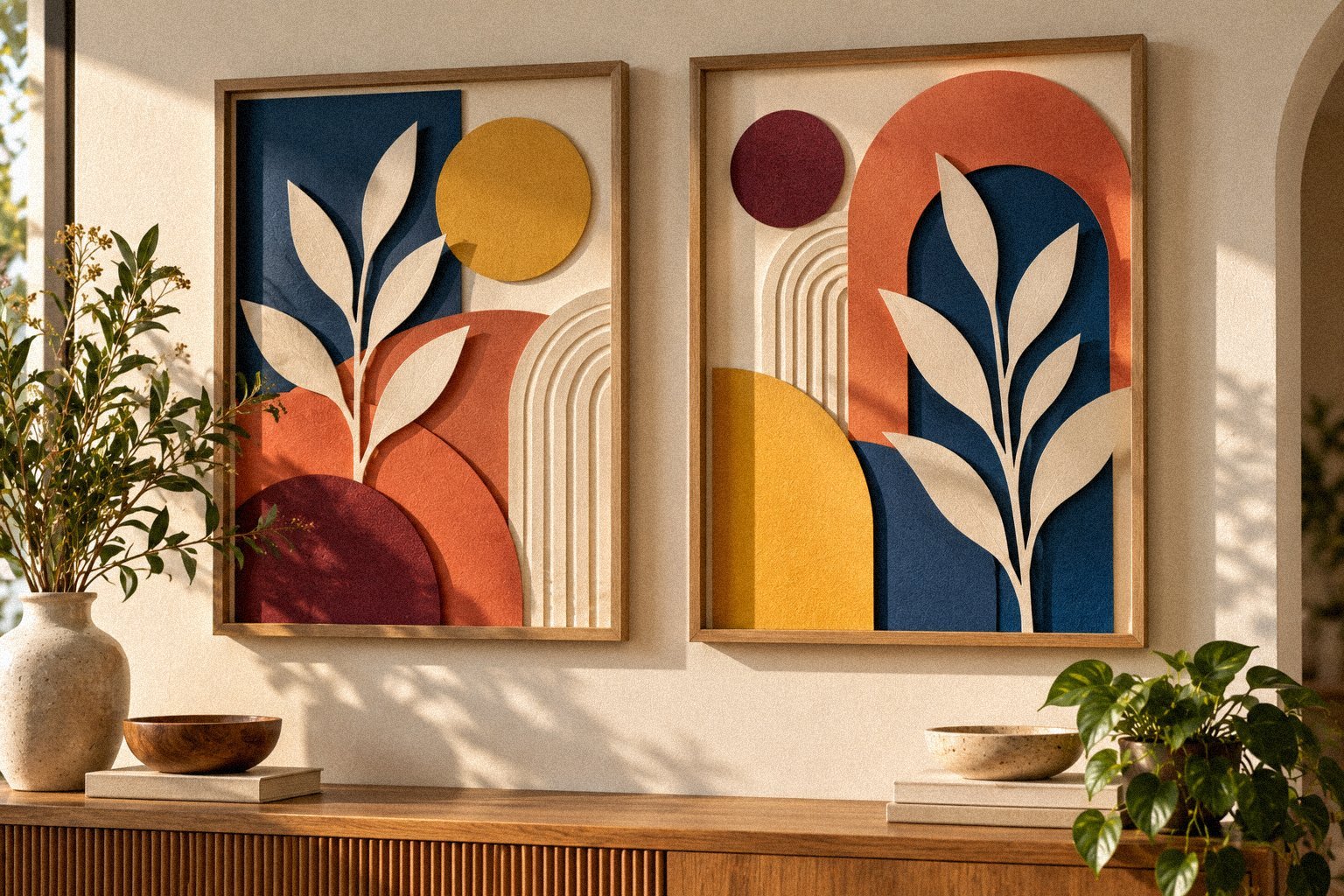
Heavy paper or cardstock can create surprisingly sophisticated wall decor. Cut large organic shapes, arches or botanical silhouettes, then layer them onto a contrasting background. A shadow-box frame adds depth and helps simple paper pieces feel more finished.
For a coordinated pair, make two compositions with the same colors but change the placement of the shapes. Hung side by side, they read as a set without looking identical.
10. Create an Upcycled Statement Piece
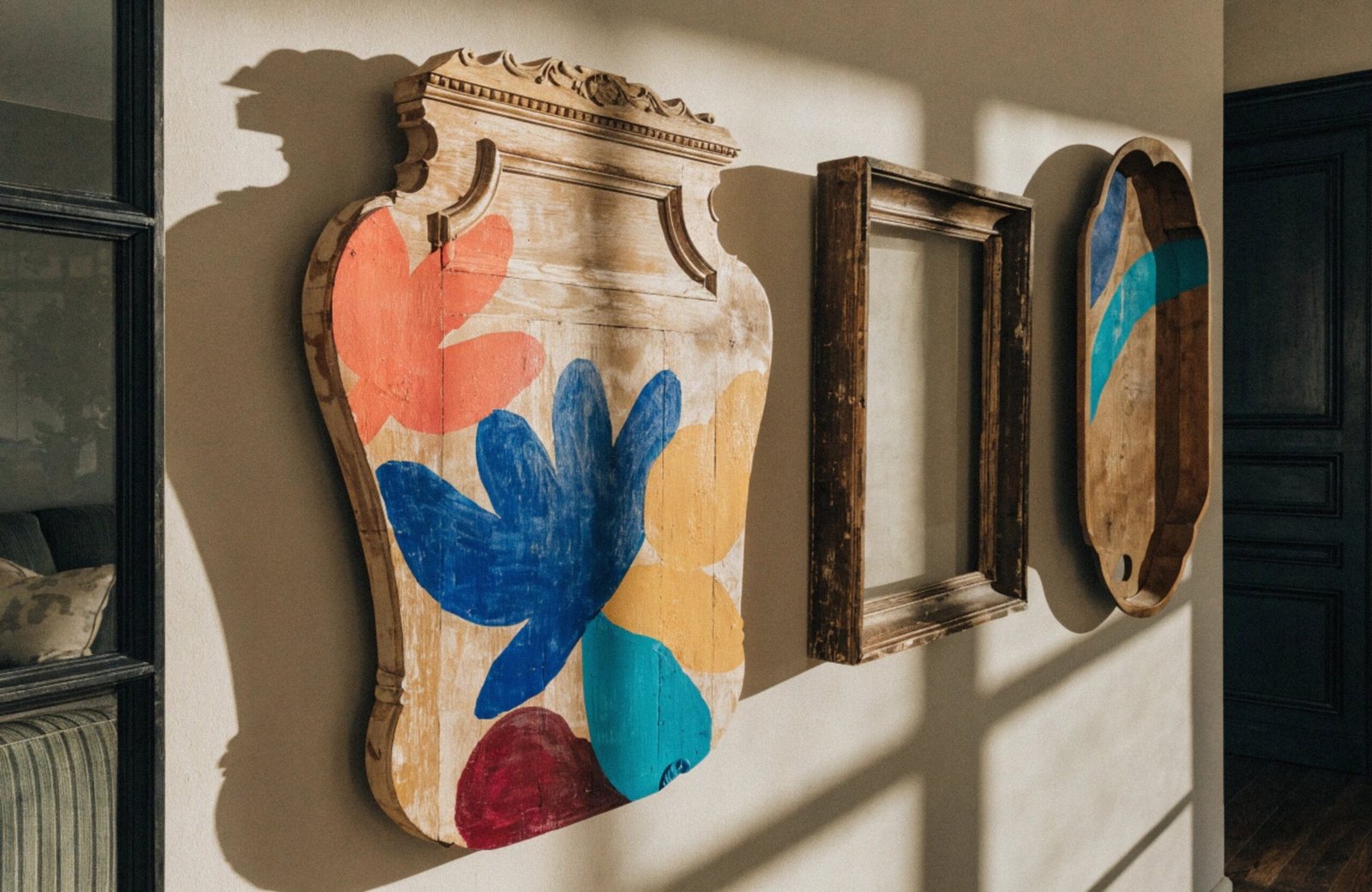
Old frames, cabinet doors, wooden trays and other flat objects can become wall decor with sanding, paint and a new finish. The key is to choose pieces with an interesting shape and enough surface area to make the transformation visible.
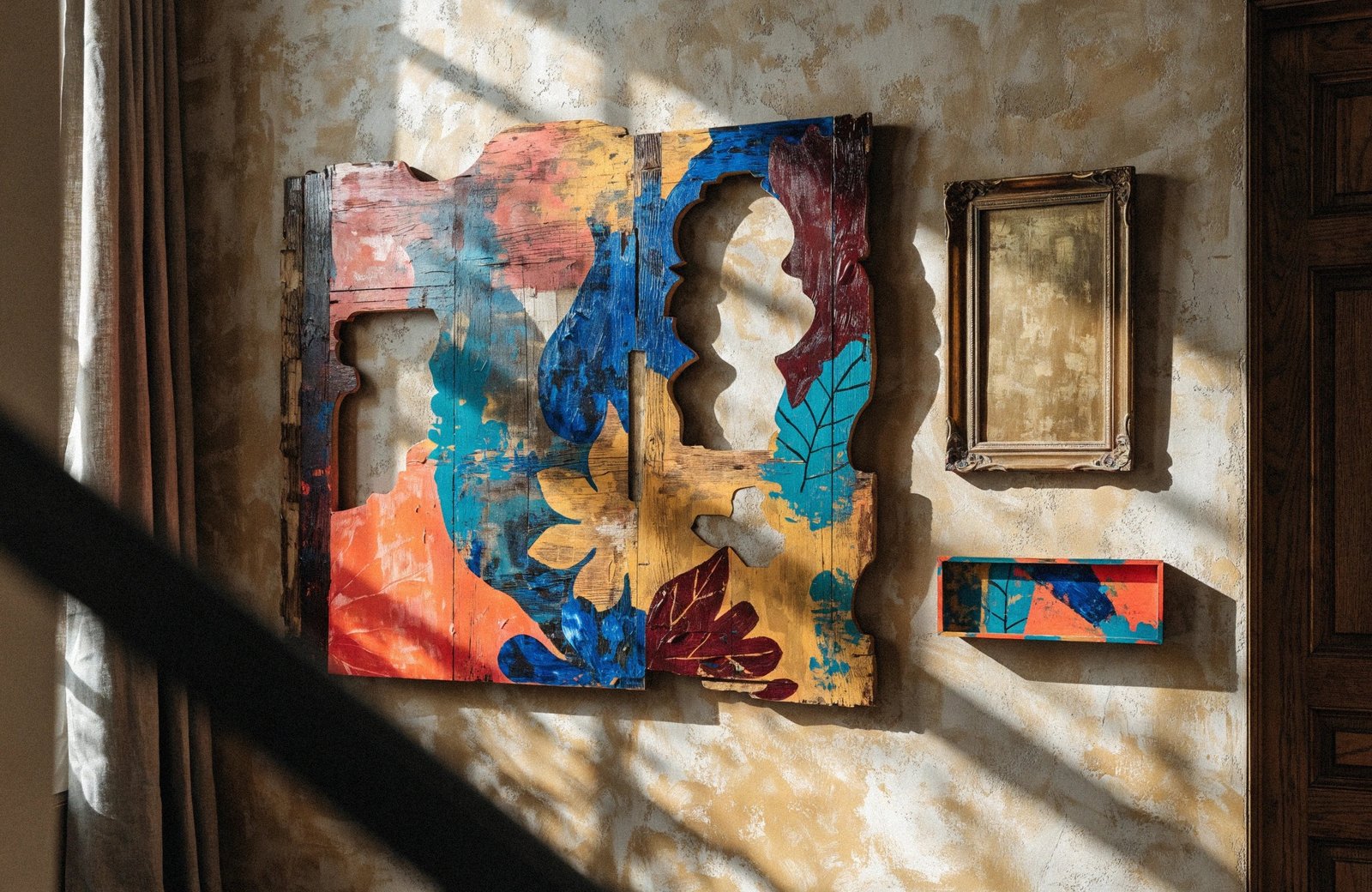
Remove loose finish, clean the surface and repair anything that will affect hanging. Then paint, stencil or add a simple design. If the object is heavy, install proper hanging hardware rather than relying on light picture hooks.
How to Make DIY Wall Decor Look More Expensive
- Repeat colors. Pull two or three shades from the room rather than introducing a completely new palette.
- Use larger pieces. One substantial artwork often looks more intentional than many tiny accents.
- Leave breathing room. Empty wall around a piece helps it feel deliberate.
- Mix texture, not clutter. Combine wood, textile, paper and paint, but keep the color story consistent.
- Pay attention to scale. Above a sofa or bed, wall decor should relate to the width of the furniture below it.
- Finish the edges. Sand wood, trim fabric neatly and clean paint lines. Small finishing steps make a major difference.
DIY Wall Decor FAQ
What is the easiest DIY wall decor for beginners?
Abstract canvas art, framed fabric and simple gallery walls are among the easiest starting points because they require few specialized tools and are easy to adjust as you work.
How can I decorate a large blank wall on a budget?
Try one oversized painted canvas, a group of inexpensive frames, floating shelves or a large textile piece. Scale matters more than the number of items, so a few larger elements usually work better than many small decorations.
How do I choose colors for DIY wall art?
Start with colors already in the room. Use one dominant neutral, one secondary color and one smaller accent. This creates visual connection between the wall art and the rest of the space.
Can renters use DIY wall decor?
Yes. Framed art, lightweight textile pieces and removable washi-tape designs are renter-friendly options. For anything mounted to the wall, check your lease and use hardware appropriate for the wall surface.
Final Thoughts
The best DIY wall decor does not need to be complicated. A painted canvas, a thoughtful gallery wall, an embroidery hoop or a few well-styled shelves can change the feel of a room without a full makeover. Start with the project that matches the materials you already have, then build from there.
If you enjoy hands-on home projects, you may also like 5 Creative Wall Hanging Projects and 10 Upcycled and Sustainable Decor Ideas.