10 Upcycled Home Decor Ideas for a Sustainable, Stylish Home
Upcycled home decor is one of the easiest ways to make a room feel more personal without filling it with more mass-produced pieces. Instead of starting from scratch, you work with what already exists: an old dresser, reclaimed wood, vintage textiles, glass jars, metal objects, or secondhand finds that can be reused in a new way.
Upcycled decor can fit almost any interior style. A reclaimed wood shelf can look rustic, modern, or industrial depending on how you style it. Vintage fabric can soften a neutral room. An old plate collection can become wall art. The idea is not to make your home look like a craft project; it is to choose pieces that feel useful, intentional, and worth keeping.
This post contains affiliate links. As an Amazon Associate I earn from qualifying purchases.
What Is Upcycled Home Decor?
Upcycled home decor means taking an existing item or material and giving it a new purpose, appearance, or function instead of throwing it away or replacing it with something new. It can be as simple as refinishing an old wood table or turning a vintage bowl into a planter.
Upcycling is slightly different from recycling. Recycling usually breaks materials down so they can be made into something else. Upcycling keeps more of the original object intact and improves or repurposes it. That is why reclaimed wood furniture, refinished dressers, vintage textiles, repurposed glass, and salvaged metal all work so well in sustainable interiors.
10 Upcycled Home Decor Ideas for a Stylish, Sustainable Home
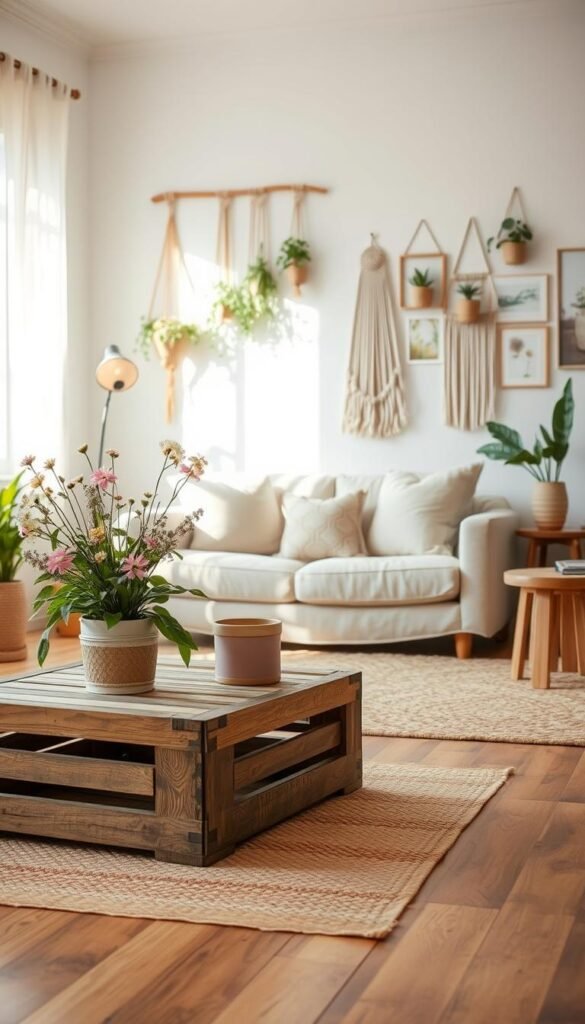
The most successful upcycled rooms usually combine a few character-rich pieces with simpler modern furnishings. These ten ideas are practical enough to use in everyday homes and flexible enough to work with different decorating styles.
1. Reclaimed Wood Shelves and Small Furniture
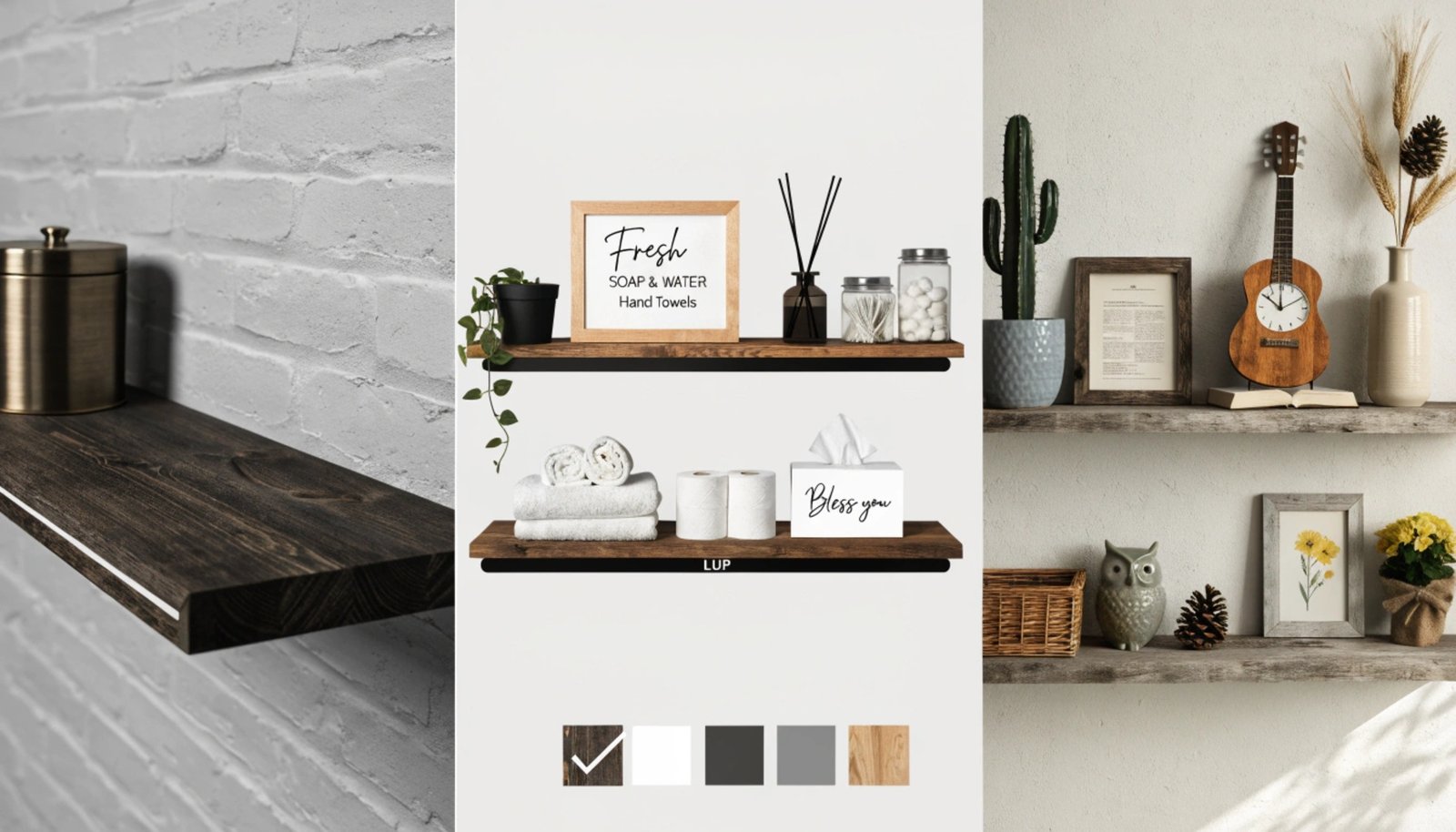
Reclaimed wood is one of the easiest materials to introduce because it adds warmth without making a room feel overly rustic. Floating shelves, benches, small side tables, and picture ledges are especially useful in kitchens, bathrooms, entryways, and small living rooms.
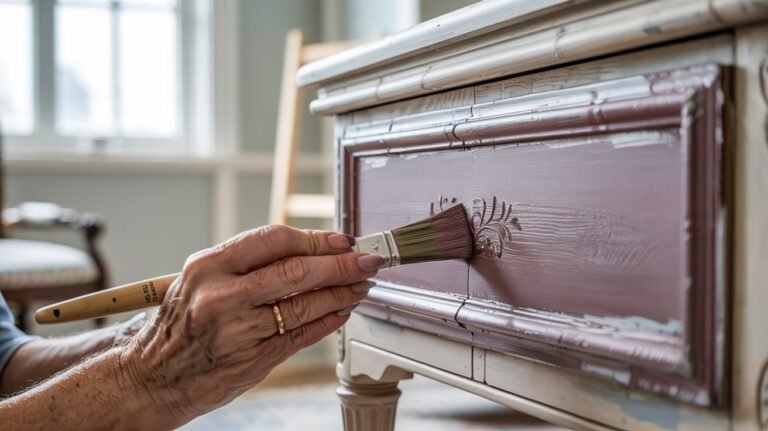
If you already own a solid wood piece, try restoring it before replacing it. Cleaning the surface, refreshing the finish, changing the hardware, or painting only part of the piece can completely change how it looks.
Useful find: browse reclaimed-look wood floating shelves. For older wood furniture, Howard Feed-N-Wax Wood Polish and Conditioner can be useful for refreshing a tired finish before deciding whether the piece needs a bigger makeover.
If you are working with an older dresser, see the step-by-step guide to painting a vintage dresser.
2. Repurposed Glass Jars and Recycled-Glass Vases
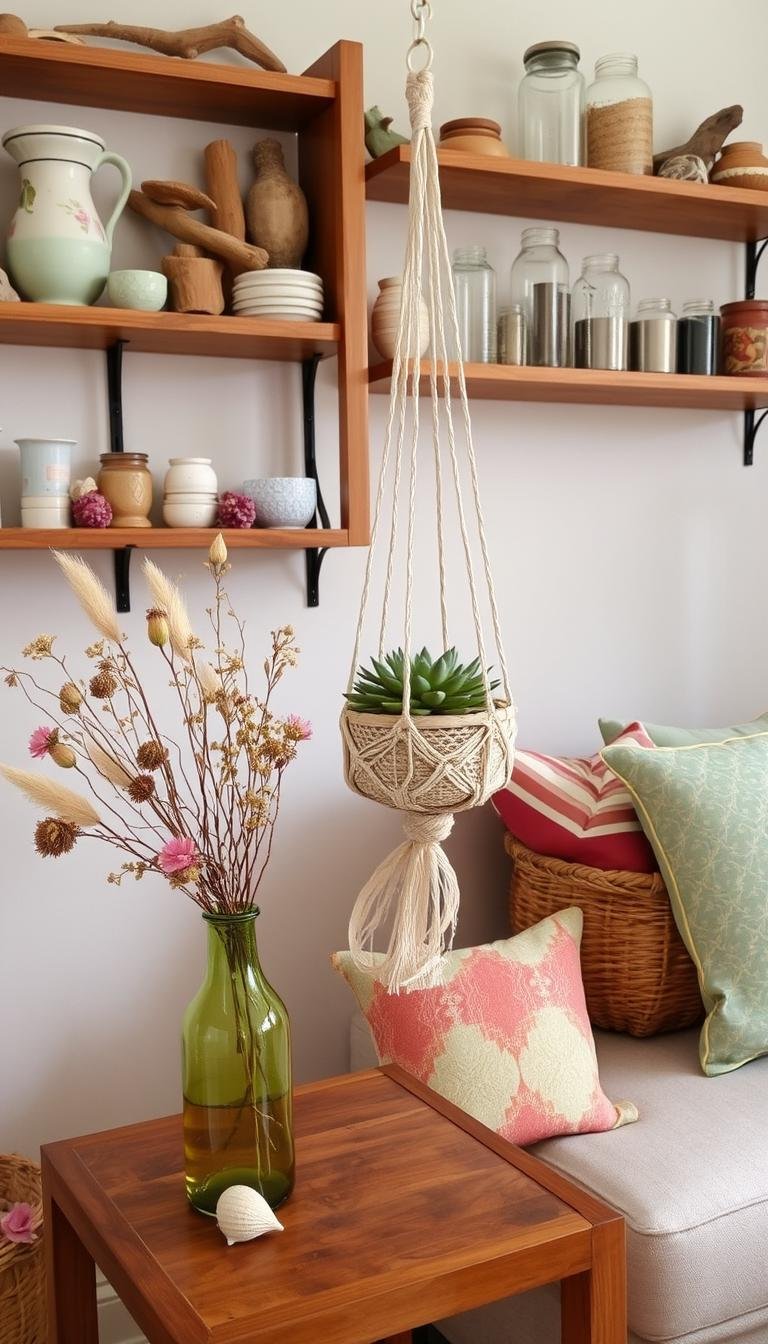
Glass jars are an easy place to start with upcycling because they already have so many possible uses. Remove the labels and use them for flowers, paintbrushes, pantry storage, cotton pads, or small bathroom essentials.
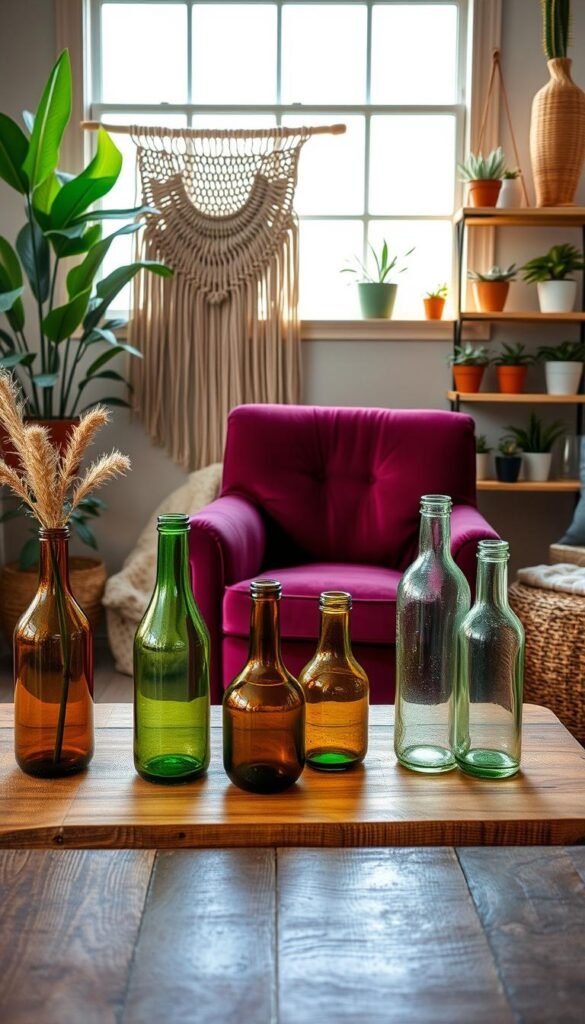
For a more polished version of the same look, recycled-glass vases bring soft color and subtle imperfections to shelves and tabletops. Clear, amber, green, and smoky glass work especially well with wood and linen.
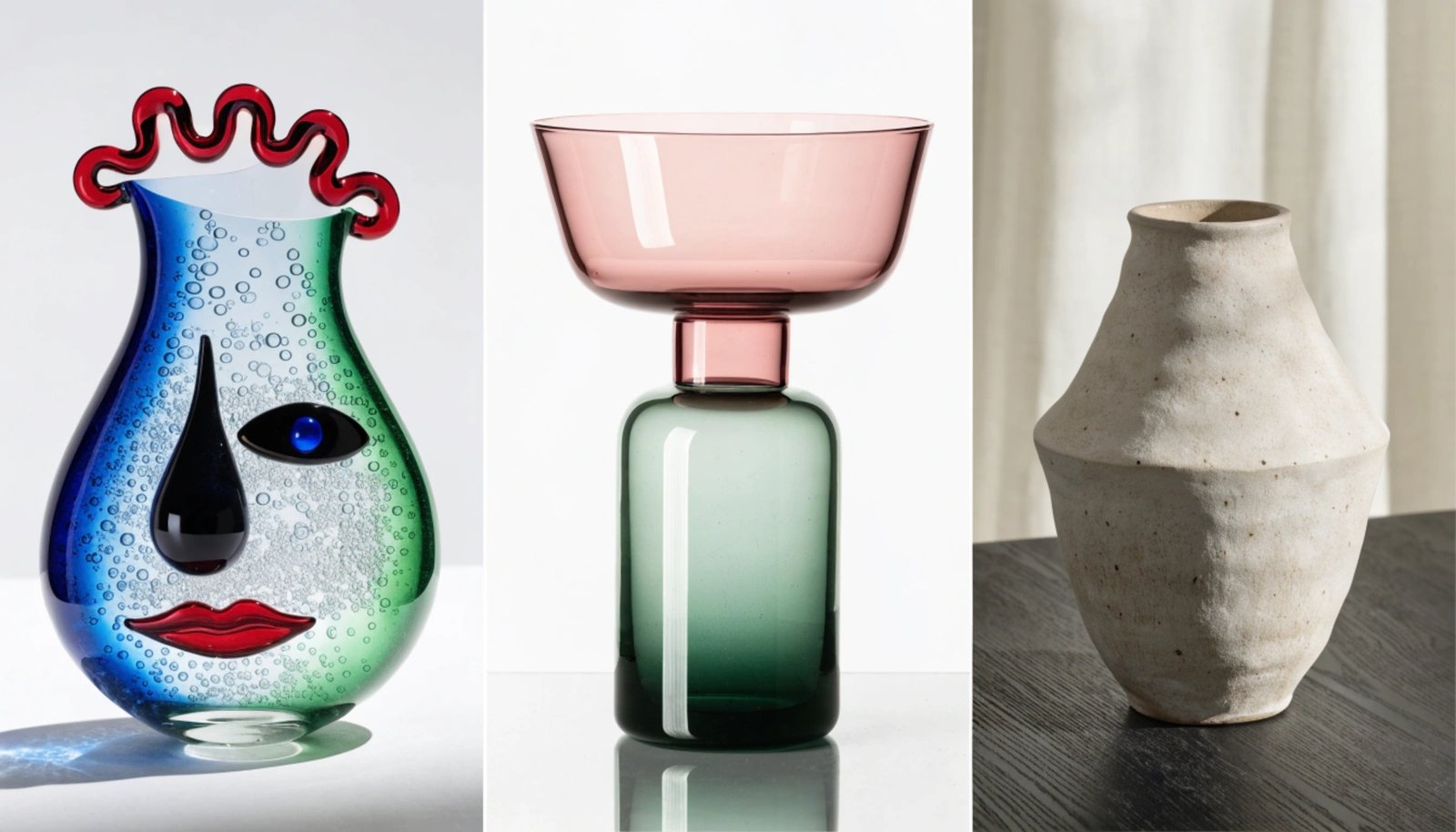
Style option: explore recycled-glass vases on Amazon.
3. Vintage Fabric Pillows
Old linen, embroidery, quilts, grain sacks, and other vintage textiles can become distinctive pillow covers. The easiest way to keep the look refined is to use one or two patterned vintage pillows alongside plain linen, cotton, or velvet cushions.
This is also a good way to preserve damaged textiles. A fabric panel may no longer work as a blanket or tablecloth, but the best section can still become a decorative accent.
4. Upcycled Metal Wall Art
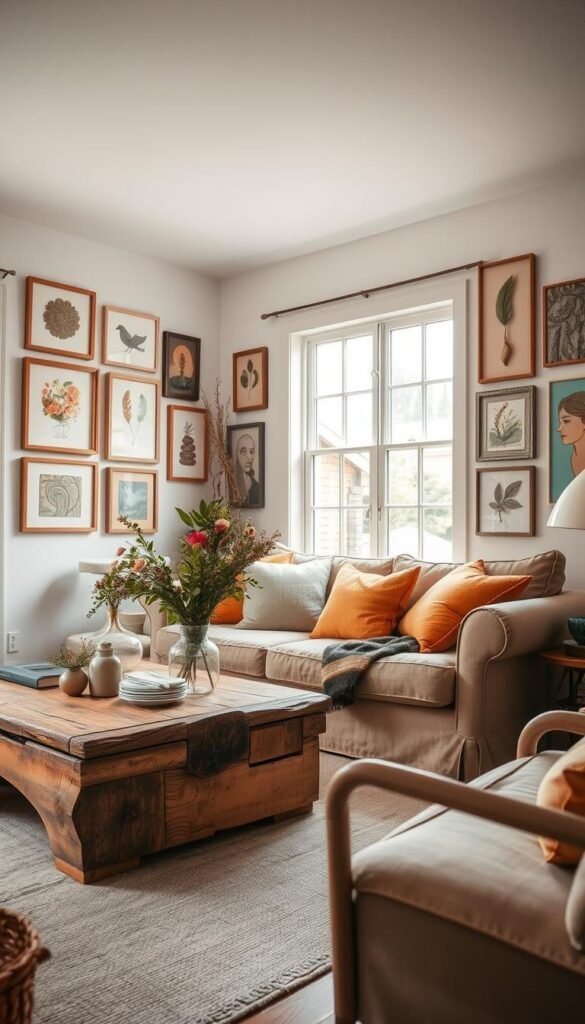
Old metal trays, architectural fragments, wire baskets, tools, and salvaged hardware can all become wall decor. Rather than hanging many unrelated objects, choose one larger piece or a small group with a common finish so the display feels intentional.
Blackened metal works well in industrial and modern interiors, while aged brass, copper, and galvanized finishes add warmth to vintage and farmhouse spaces.
5. Jute and Woven Storage Baskets
Storage is one of the easiest places to introduce natural materials. Jute and woven baskets can hide everyday clutter while adding texture, so they work well for throws, toys, magazines, laundry, or bathroom storage.
They also help a room feel warmer without adding more decorative objects. In neutral interiors, that texture can be more effective than adding another color.
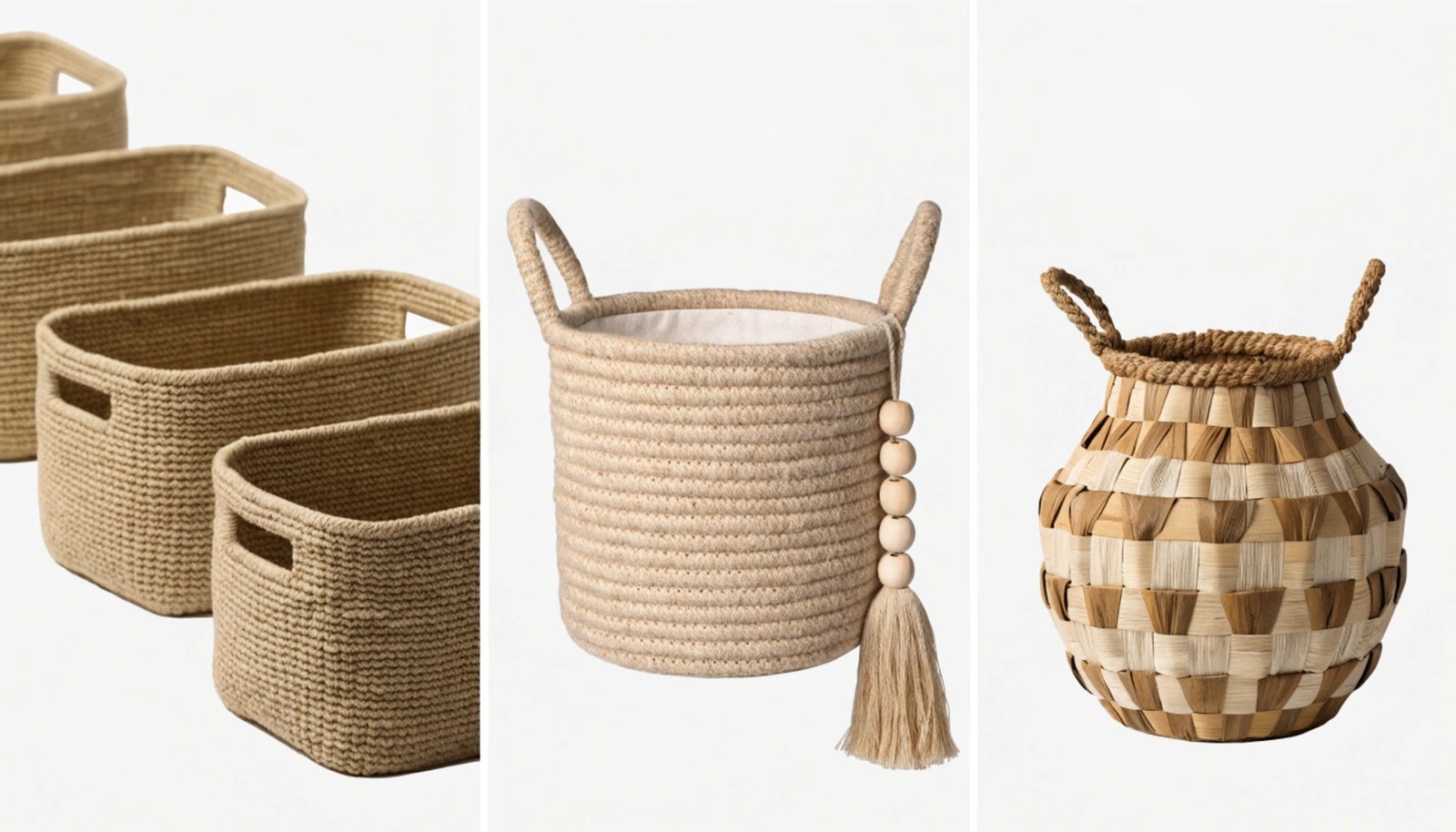
Practical option: see natural jute storage baskets on Amazon.
6. Cork Coasters and Table Accessories
Cork is lightweight, warm-looking, and easy to use in small doses. Coasters, trivets, placemats, and pinboards are simple ways to add natural texture without changing the overall style of a room.
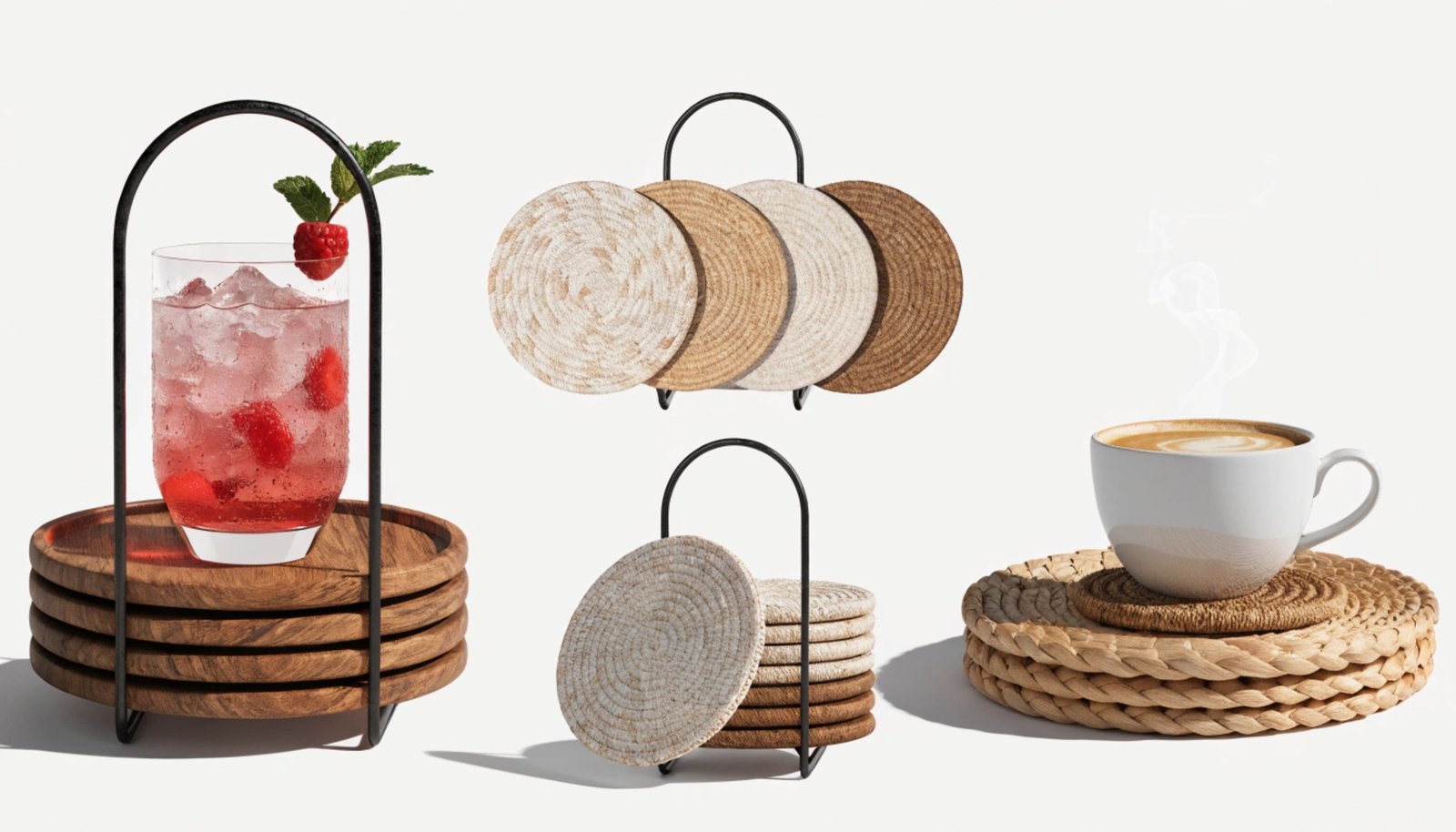
Easy upgrade: browse natural cork coaster sets on Amazon.
7. Thrifted and Vintage Plates as Wall Decor
A group of mismatched vintage plates can create a more personal focal point than mass-produced wall art. To keep the arrangement cohesive, repeat one or two colors and mix plate sizes rather than choosing identical pieces.
This works especially well in kitchens, dining rooms, breakfast corners, cottage interiors, and spaces with traditional or collected decor. For more ideas, see the guide to decorating with vintage plates.
8. Refinished Furniture Instead of New Furniture
Before replacing a solid wood dresser, table, cabinet, or nightstand, look at what can be changed. Paint, stain, new hardware, a stripped top, or a different finish can make an older piece feel completely different while keeping the useful structure.
If paint is part of your project, compare options in the guide to the best paint brands for furniture. You can also browse these vintage painted dresser ideas for color and styling inspiration.
9. Salvaged Containers as Planters
Old galvanized buckets, wooden boxes, ceramic bowls, crocks, and sturdy metal containers can become planters or decorative cachepots. When the original container does not have drainage, place a nursery pot inside rather than planting directly into it.
Grouped with modern planters, salvaged containers add variation in height, shape, and texture without making the display feel themed.
10. Vintage Lighting Updated With LED Bulbs
You do not need to replace a beautiful vintage lamp just to make the lighting more efficient. If the fixture is in good working condition and compatible with modern bulbs, a warm LED filament bulb can keep the older look while using less energy than a traditional incandescent bulb.
Useful option: browse warm LED filament bulbs on Amazon.
Best Materials for Upcycled and Sustainable Decor
If you want a room to feel collected rather than cluttered, focus on materials that age well and combine easily with what you already own.
- Reclaimed wood: useful for shelves, benches, tables, frames, and decorative panels.
- Vintage textiles: ideal for pillows, framed fabric, table runners, and soft accents.
- Glass: easy to reuse for storage, vases, candle holders, and display pieces.
- Metal: works well for wall art, trays, hooks, frames, and industrial details.
- Cork: practical for coasters, trivets, pinboards, and tabletop accessories.
- Jute and natural fibers: add texture through baskets, rugs, and storage pieces.
How to Make Upcycled Decor Look Intentional
The biggest challenge with thrifted and repurposed decor is not finding interesting objects. It is making them look like they belong together. A few simple styling rules help.
Repeat Colors and Materials
If you use an old brass tray, repeat brass somewhere else in the room. If you add a reclaimed wood shelf, echo that wood tone in a frame, basket, or small table. Repetition makes unrelated pieces feel connected.
Mix Old and New
A room made entirely from vintage or upcycled pieces can start to feel like a themed set. Pair older objects with clean-lined modern furniture, simple curtains, or contemporary lighting so the room still feels current.
Leave Some Empty Space
Upcycled pieces often have more visual detail than mass-produced decor. Give them room to stand out rather than filling every surface. One strong vintage object usually looks better than five small ones competing for attention.
Where to Find Upcycled Home Decor
You do not need a specialty store to find good pieces. Some of the best sources are places where objects have already had a first life.
- Thrift stores and charity shops: good for frames, lamps, wood furniture, baskets, ceramics, and glassware.
- Flea markets and estate sales: especially useful for vintage hardware, textiles, trays, plates, and small furniture.
- Local resale marketplaces: useful when you want larger furniture without paying shipping costs.
- Your own home: before buying anything, look at jars, baskets, fabric, trays, frames, and furniture you already own.
- Online retailers: useful when you need complementary pieces such as storage baskets, restoration products, cork accessories, or efficient bulbs to finish a project.
Is Upcycled Decor Really More Sustainable?
It can be, especially when upcycling helps you keep an existing object in use longer instead of replacing it. The most sustainable choice is not automatically the product with the strongest eco-friendly label. Often it is the item you already own, a secondhand piece that still has years of use left, or a durable object that can be repaired rather than discarded.
That is also why practical upcycling can make more sense than buying large amounts of decor marketed as “green.” Start with what you have, repair what is worth keeping, and buy new only when it genuinely fills a gap.
Frequently Asked Questions About Upcycled Home Decor
What is an example of upcycled home decor?
A common example is refinishing an old dresser instead of replacing it. Other examples include turning glass jars into storage, using vintage plates as wall art, making pillows from old textiles, or using salvaged containers as planters.
What is the difference between upcycled and recycled decor?
Upcycling usually keeps the original object largely intact and gives it a new use or appearance. Recycling generally breaks a material down so it can be processed into something new.
How can I make upcycled decor look modern?
Use fewer statement pieces, repeat colors and finishes, and combine vintage items with clean-lined modern furniture. Neutral backgrounds also help older pieces look intentional rather than cluttered.
What are the easiest materials to upcycle at home?
Glass jars, solid wood furniture, baskets, frames, fabric, ceramic bowls, metal trays, and small storage containers are all beginner-friendly because they usually need only cleaning, refinishing, painting, or a new purpose.
Where can I find inexpensive upcycled decor?
Start with thrift stores, flea markets, estate sales, local resale marketplaces, and items already in your home. Look for solid construction and useful shapes rather than focusing only on the current finish or color.
Final Thoughts
Upcycled home decor works best when it solves a real decorating need. A reclaimed shelf adds storage, a refinished dresser keeps useful furniture in service, a vintage plate collection fills an empty wall, and a woven basket hides clutter while adding texture.
You do not need to redesign your entire home around sustainability. Start with one piece worth saving, restoring, or reusing. Over time, those choices create a home that feels more personal, layered, and less dependent on short-lived decorating trends.