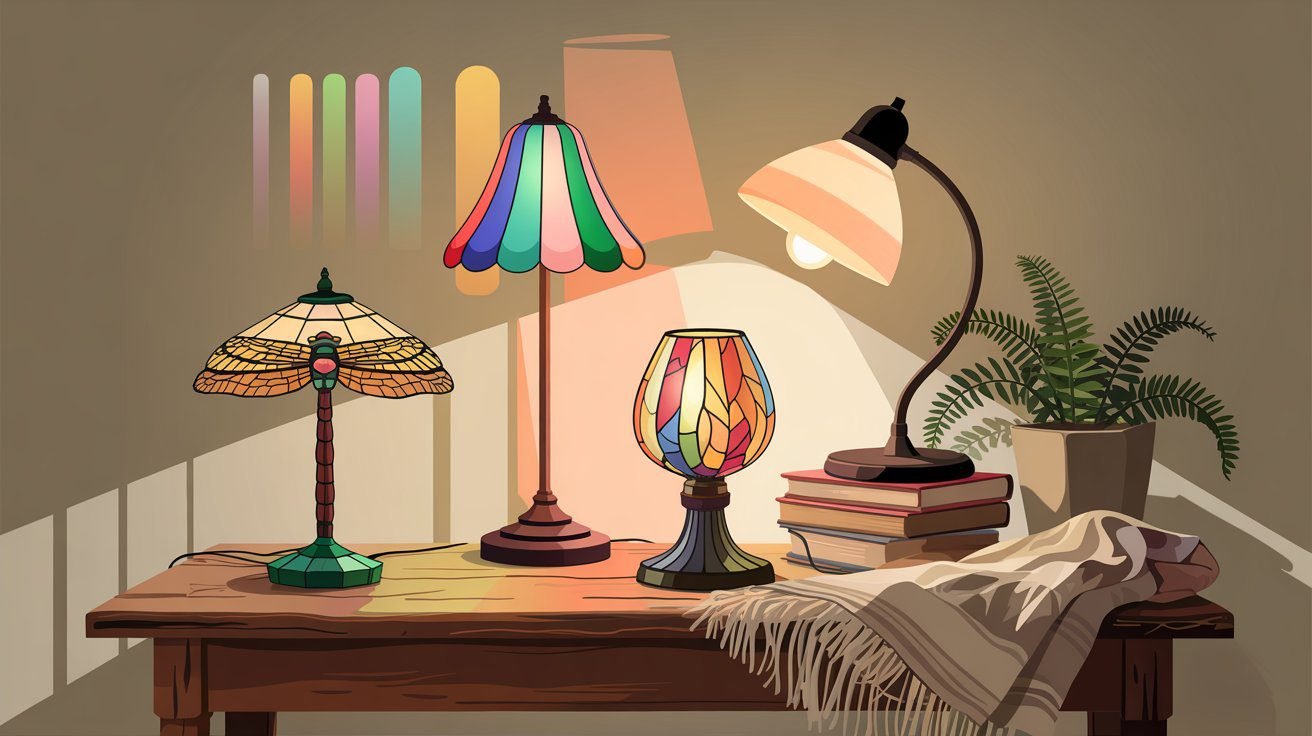
Stylish Table Lamps: 9 Ways to Brighten Every Room
The right table lamp does more than brighten a dark corner. It can make a living room feel layered, turn a nightstand into a calmer evening zone and give a desk the focused light it actually needs.
Instead of choosing a lamp only because it looks good in a product photo, start with three practical questions: what the lamp needs to do, how large it should be and how its finish works with the room around it.
How to Choose a Table Lamp Before You Shop
A lamp should feel proportional to the furniture beneath it and useful for the activity happening nearby. A tiny decorative lamp may disappear on a large console, while an oversized lamp can overwhelm a narrow nightstand.
| Where You Need It | What to Prioritize | Good Lamp Style |
|---|---|---|
| Living room side table | Ambient light + visual balance | Ceramic, glass, brass, sculptural |
| Bedside table | Easy controls + soft light | Touch lamp, USB lamp, shaded lamp |
| Desk | Task lighting + adjustability | Banker’s lamp, swing-arm, compact LED |
| Console | Decorative height + symmetry | Tall statement lamp or matching pair |
| Reading corner | Directional light | Adjustable task lamp |
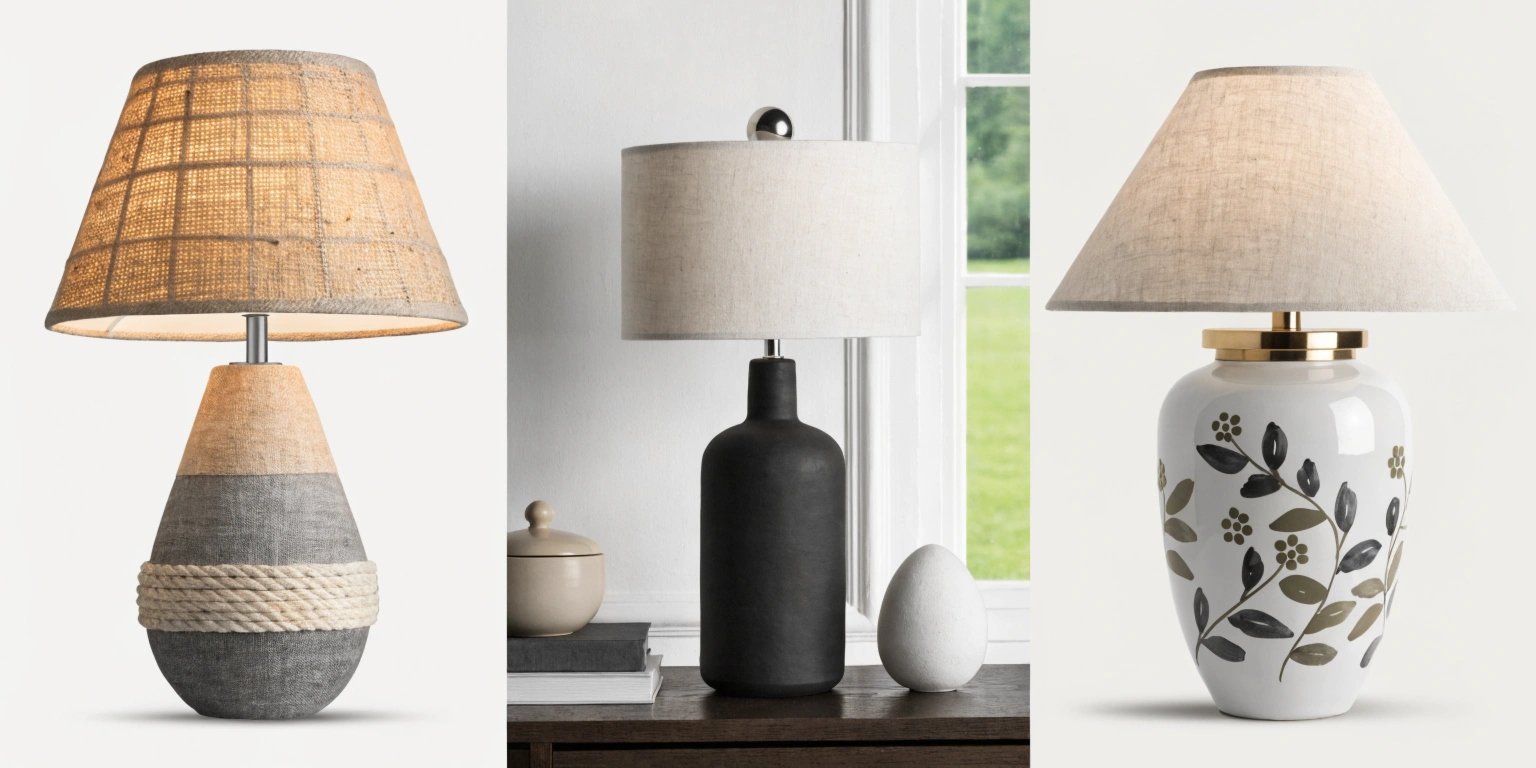
1. Use Ceramic Table Lamps to Add Quiet Texture
Ceramic lamps are one of the easiest choices for modern interiors because they add texture without making the room feel busy. Matte cream, sand, olive and charcoal bases work especially well with linen shades and natural wood.
If your room already has several strong colors, choose a ceramic lamp close to the wall or upholstery color. If the room is very neutral, a sculptural ceramic base can become the focal point.
Browse ceramic table lamps with linen shades on Amazon.
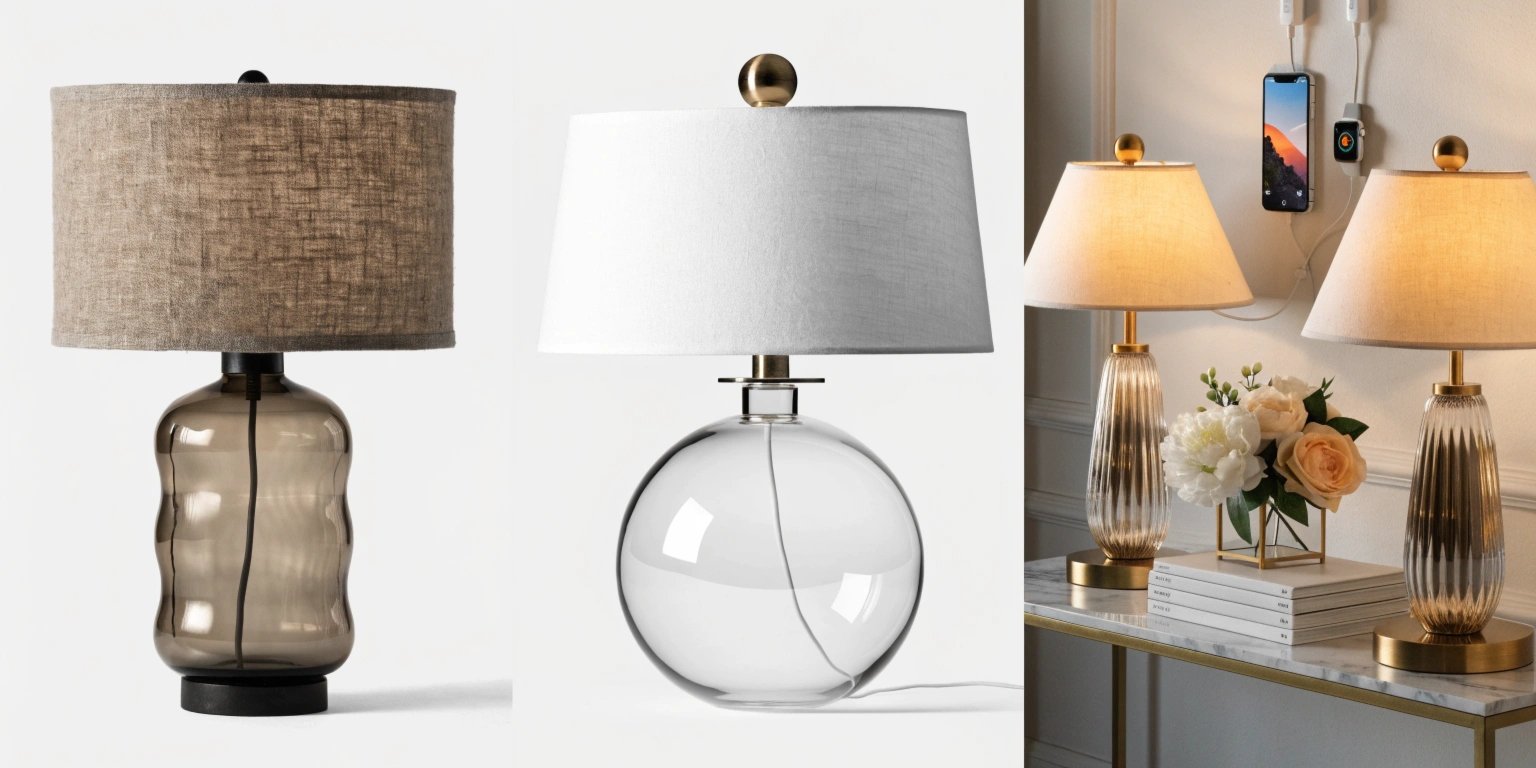
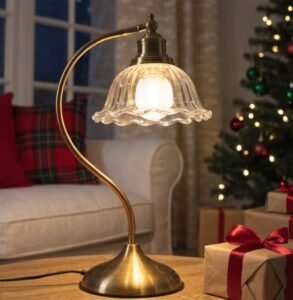
2. Choose a Glass Lamp When You Want Visual Lightness
Glass bases work beautifully in smaller rooms because they occupy less visual space than a heavy opaque lamp. Clear glass feels especially good beside colorful art, patterned rugs or darker furniture because it does not compete for attention.
For a more decorative look, try smoked, amber or ribbed glass rather than perfectly clear glass.
For this style, compare the base diameter with the depth of the table before buying. A transparent base still takes up physical space even though it looks visually lighter.
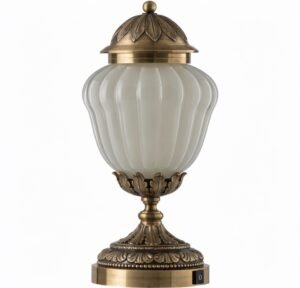
3. Add Warm Metal with Antique Brass
Antique brass is useful when a room needs warmth but you do not want to introduce another fabric color. It works with cream, olive, navy, burgundy, brown and warm white, and pairs particularly well with walnut or oak furniture.
Use brass in small amounts. If the lamp is metallic, you do not need every frame, handle and decorative object nearby to match it exactly.
When comparing brass lamps, pay attention to the shade as much as the metal finish. A light linen shade softens the look, while a dark or opaque shade makes the lamp feel heavier and more directional.
4. Try a Mushroom Lamp for Soft, Modern Ambient Light
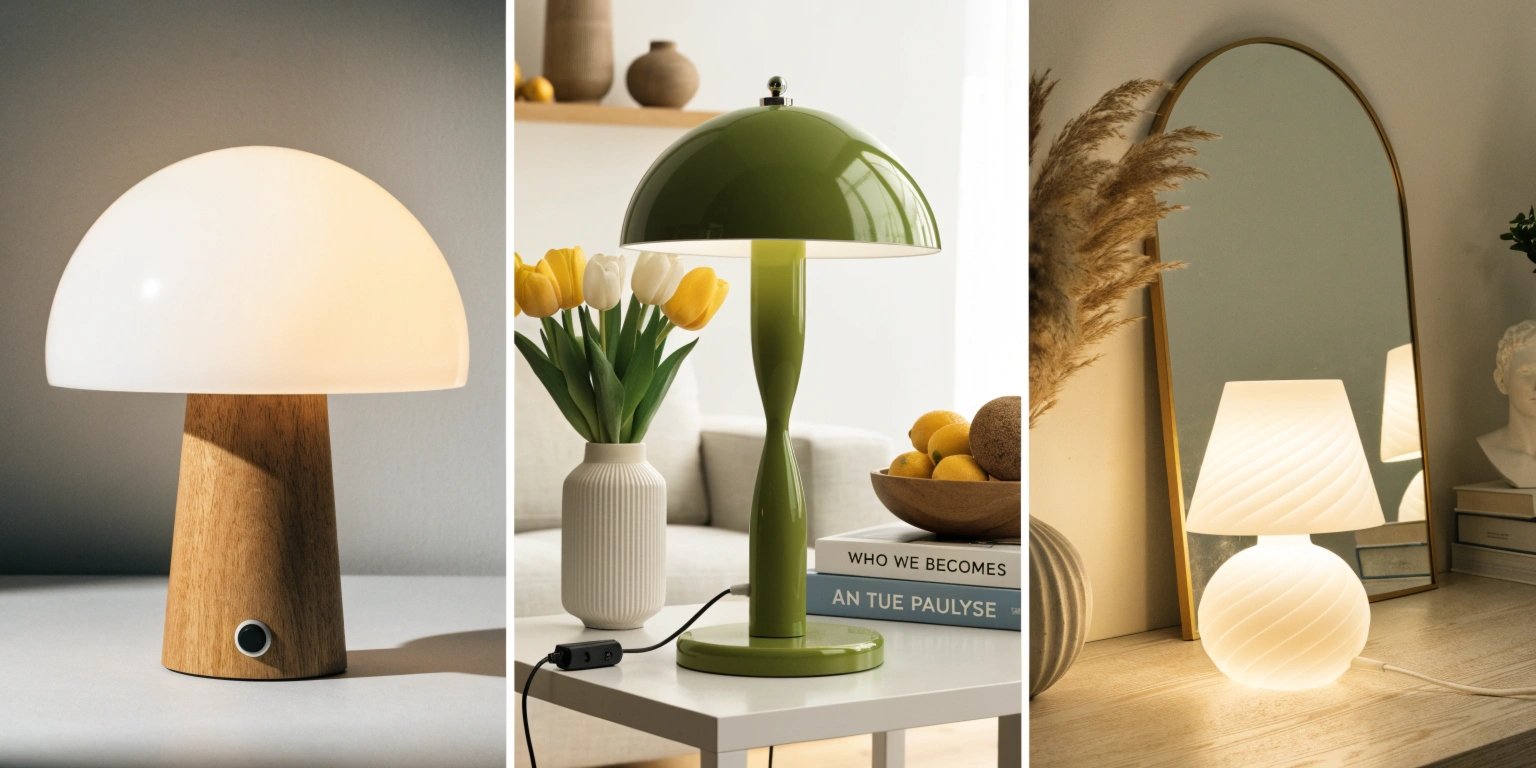
Mushroom lamps have become popular because the silhouette is simple but still sculptural. They work especially well on a low sideboard, bedside table or shelf where you want atmosphere rather than strong task light.
Look for a dimmable model if you plan to use it at night. A lamp that is attractive but too bright can quickly become annoying in a bedroom.
Shop dimmable mushroom table lamps on Amazon.
5. Use a Banker’s Lamp for a Desk or Reading Nook
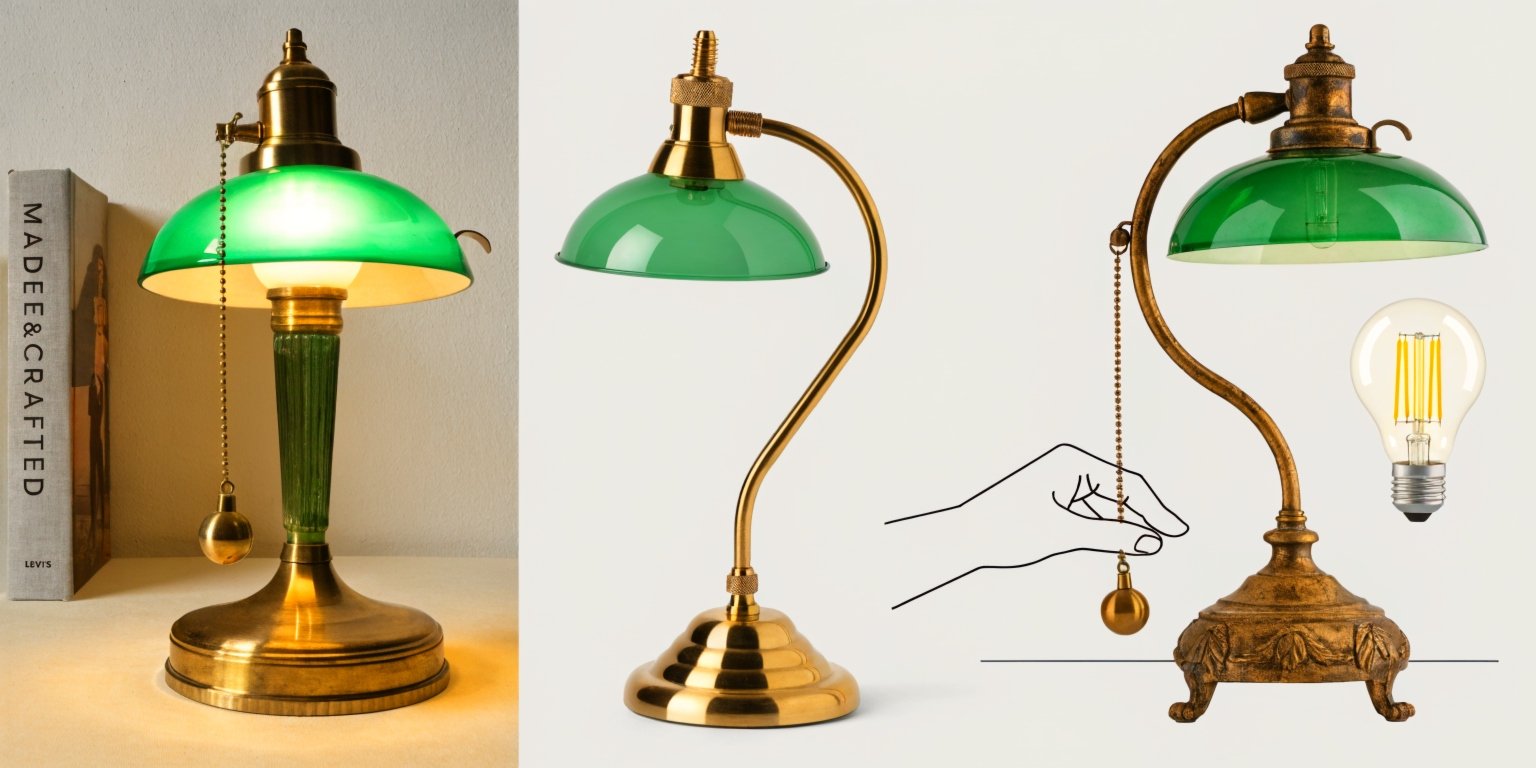
A green-glass banker’s lamp brings instant library character to a desk, but it can also work in a modern room when the rest of the furniture is simple. The key is to treat it as one vintage reference rather than turning the whole room into a period set.
For practical use, check that the shade directs enough light onto the work surface and that the switch is easy to reach.
For desk use, measure the distance from the lamp to the working area and check whether the shade can direct light onto the page or keyboard without shining into your eyes.
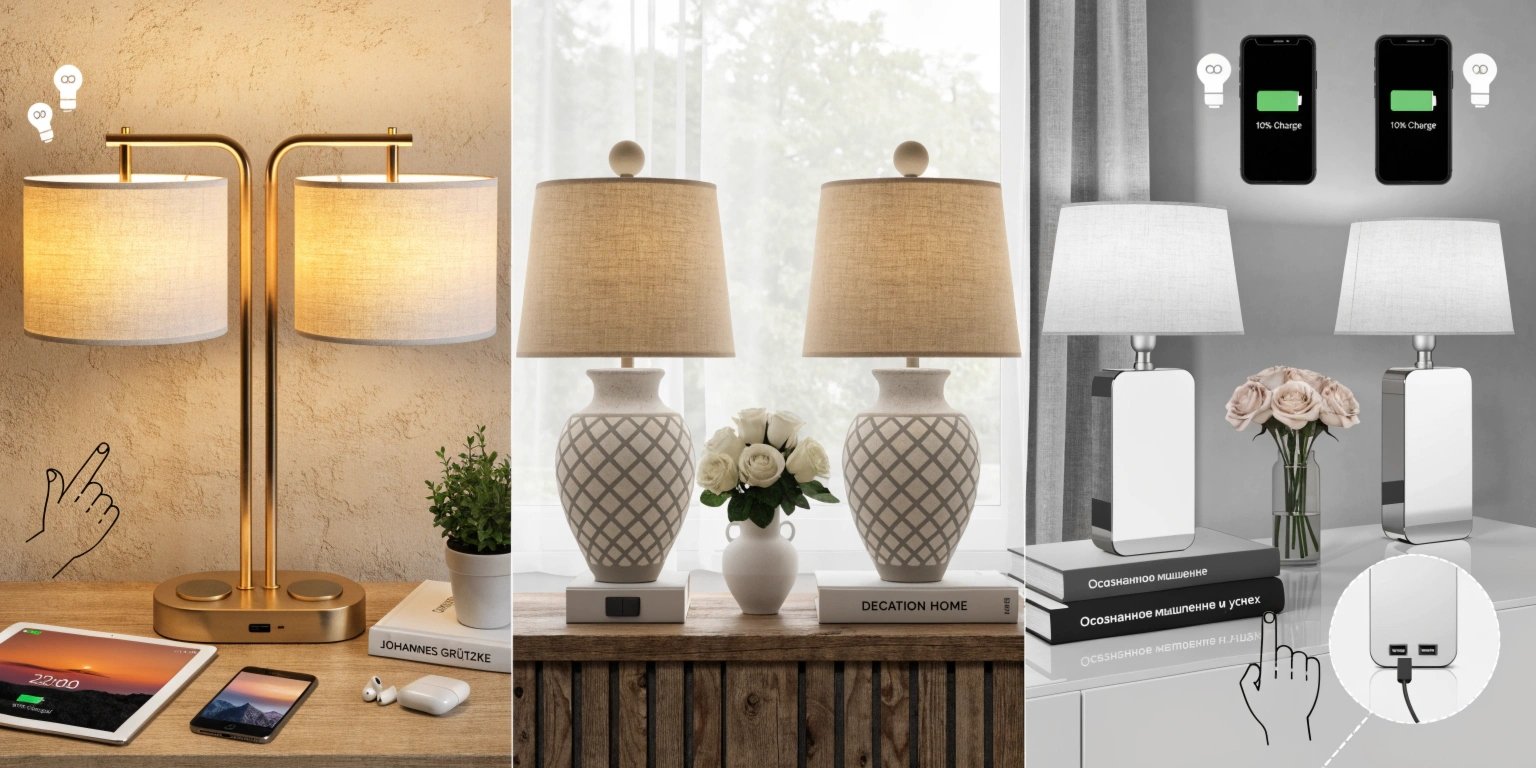
6. Pick Touch Lamps with USB Ports for Bedside Tables
For a bedroom, convenience matters as much as appearance. Touch controls are useful in the dark, and built-in USB or USB-C charging can reduce the number of adapters around the bed.
Before buying, check whether the charging port works while the lamp is switched off and whether the lamp uses replaceable bulbs. Those small details affect how useful it feels long term.
Shop bedside touch lamps with USB ports on Amazon.
7. Use Stained Glass as a Statement, Not a Theme
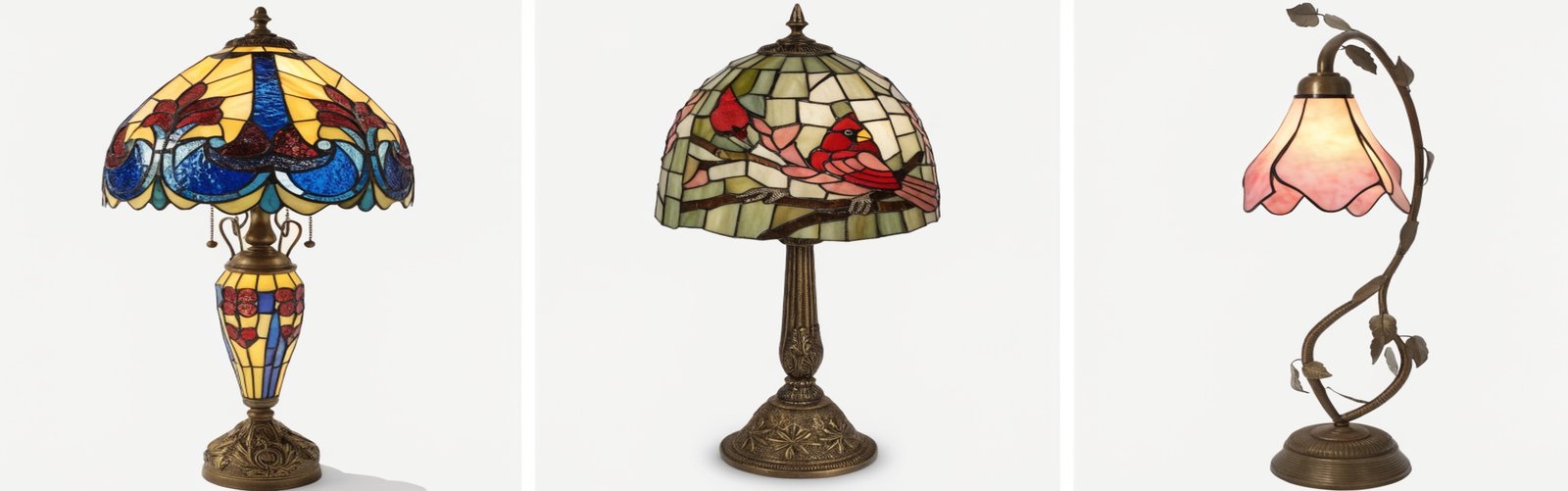
A stained-glass or Tiffany-style lamp can be beautiful in a modern home when it is allowed to stand alone. Pair one expressive lamp with simple furniture and quieter textiles instead of surrounding it with many ornate accessories.
These lamps are especially effective against dark wood, warm neutral walls and vintage-inspired reading corners.
Browse Tiffany-style stained-glass table lamps on Amazon.
8. Consider a Matching Pair for Symmetry
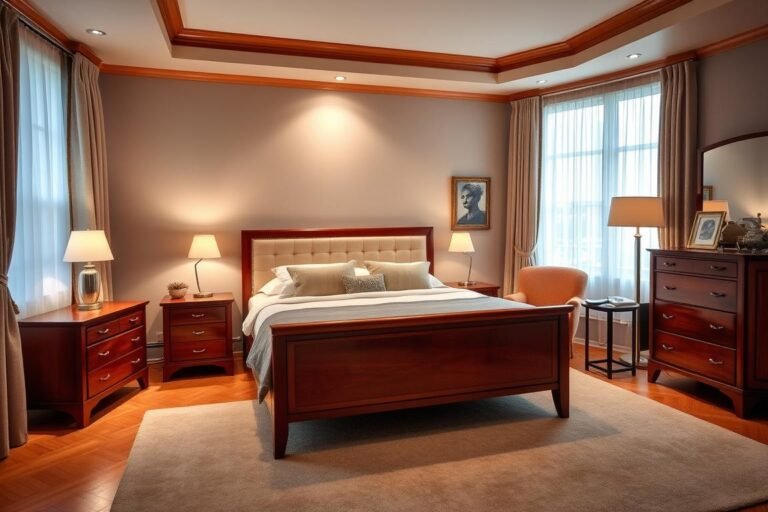
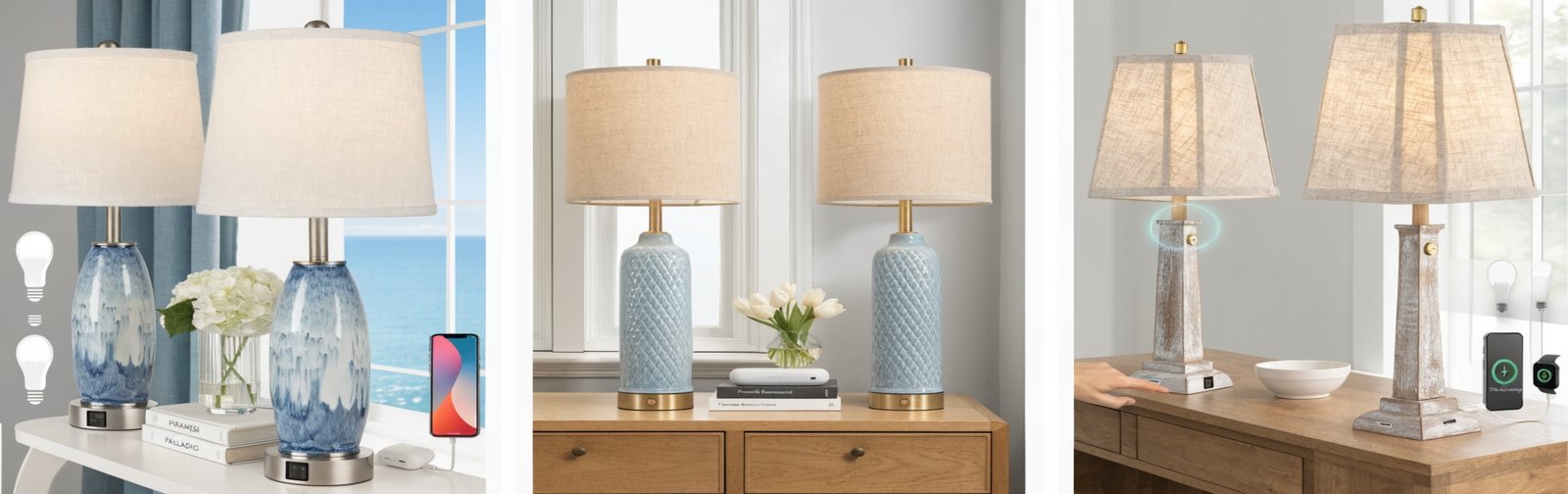
Two matching lamps can make a bedroom, console or long sideboard feel immediately more finished. Symmetry is particularly useful when the room already contains several colors or patterns because it gives the eye somewhere to rest.
Matching does not mean boring. You can keep the lamps identical and vary the objects between them—books, flowers, framed art or small bowls.
Before buying a pair, measure both surfaces. Two identical lamps only create useful symmetry when the nightstands or console ends can comfortably support the same footprint.
9. Layer Table Lamps Instead of Relying on One Ceiling Light
A room usually feels more comfortable when light comes from several heights. One ceiling fixture can illuminate the room, but table lamps create the smaller pools of light that make seating areas feel intimate.
In a living room, try one lamp near the sofa, another on a console and perhaps a floor lamp near a reading chair. You do not need all of them switched on at once.
What Color Temperature Works Best?
For relaxing living rooms and bedrooms, many people prefer a warm white bulb around 2700K. For a desk, a somewhat cooler neutral white can feel clearer for tasks. The exact preference is personal, so dimmable or adjustable-color lamps can be useful when one lamp serves several purposes.
Brightness also matters. A beautiful shade cannot compensate for a bulb that is far too dim or harsh for the space.
Browse dimmable warm-white LED bulbs on Amazon.
How Tall Should a Table Lamp Be?
There is no single perfect height because furniture dimensions vary, but the lamp should feel visually connected to the table rather than tiny or top-heavy. When you are seated, the bottom of the shade should help shield the bulb from direct glare.
| Location | What to measure | What to check |
|---|---|---|
| Bedside | Nightstand height + mattress height | Switch should be easy to reach and the bulb should not glare at eye level |
| Sofa side table | Table height + sofa arm height | Shade should sit high enough to spread light but low enough to shield the bulb |
| Desk | Work surface + lamp reach | Light should fall on the task area without reflecting into a screen |
| Console | Console width and wall space above | Lamp should not collide visually with artwork or a mirror |
Measure the table width and depth as well as height. A lamp can be the right height but still feel oversized if its base or shade crowds the usable surface.
How to Choose a Table Lamp in 5 Steps
- Decide the job: ambient light, reading, desk work or decoration.
- Measure the surface: width, depth and height of the table or console.
- Check seated eye level: the shade should help block direct glare from the bulb.
- Choose the shade and bulb together: shade opacity, bulb brightness and color temperature all affect the result.
- Check controls before buying: confirm switch placement, dimming and charging ports if those features matter.
Common Table Lamp Mistakes
- Choosing by style before function: a decorative lamp may not provide enough light for reading or desk work.
- Ignoring shade width: the base can fit the table while the shade overhangs awkwardly or blocks nearby objects.
- Using an exposed bright bulb at eye level: glare can make an otherwise attractive lamp uncomfortable.
- Buying a pair without measuring both surfaces: matching lamps need matching space, not just matching decor.
- Forgetting controls: a bedside lamp is frustrating if the switch or touch control is hard to reach from bed.
Quick Lamp-Buying Checklist
- Function first: decide whether you need ambient, task or reading light.
- Measure the table: a lamp should feel proportional to the furniture beneath it.
- Check glare: when seated, the shade should help keep the bulb out of direct view.
- Match the bulb to the room: warm light often suits bedrooms and living rooms, while task areas may benefit from a somewhat brighter neutral white.
- Check controls and charging: bedside lamps are easier to live with when switches, dimmers and ports are reachable.
- Repeat one finish: connect the lamp to an existing wood, metal or color elsewhere in the room.
Final Thoughts
The most stylish table lamp is the one that looks intentional in the room and gives you the kind of light you actually need. Start with function, choose a scale that works with the furniture and then use material and finish to reinforce your decorating style.
If your room already has plenty of visual detail, a quiet ceramic or glass lamp may be best. If the room feels flat, a brass, mushroom, banker or stained-glass lamp can become the character piece that pulls everything together.
For more color-focused decorating ideas, see the updated guide to the top living room colors for 2026. If you are styling lighting in a darker bedroom, the black accent wall bedroom guide shows how layered lighting, warm materials and pale textiles keep a dark wall from feeling flat. For shelf and console styling around a lamp, the colorful ceramic vase guide gives practical ideas for scale and spacing.