9 Small Living Room Storage Ideas That Don’t Add More Cabinets
Disclosure: This post contains affiliate links. I may earn a commission from qualifying purchases at no additional cost to you. As an Amazon Associate I earn from qualifying purchases.
A small living room can feel crowded long before it is actually full. The problem is often not a lack of storage, but storage that takes up too much visible space. Another cabinet may technically hold more things, yet it can also make the room feel narrower, darker and harder to move through.
The most useful small living room storage ideas do more than one job. Think seating with hidden storage, tables that hold blankets, wall-mounted shelves that use vertical space, and slim furniture that fits where a standard cabinet would not.
Blankets everywhere? Start with hidden storage. No place for remotes and chargers? Choose a side table with a drawer. Books and decor taking over surfaces? Use the wall. The goal is not to buy nine organizers – it is to solve the one or two storage problems that make the room feel crowded.
Best Small Living Room Storage Solutions to Start With
| Storage idea | Best for | Shop |
|---|---|---|
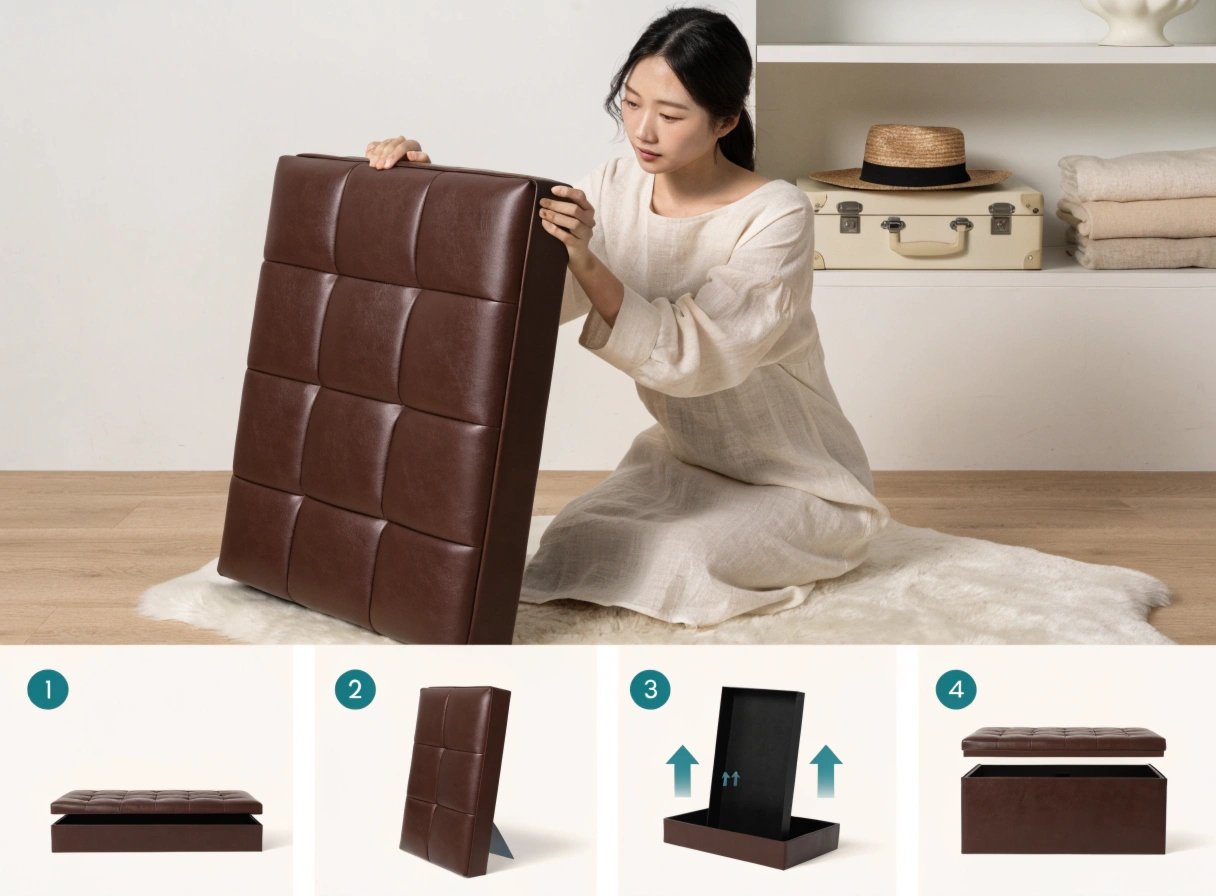
| SONGMICS Folding Storage Ottoman Bench | Blankets, pillows and extra seating | View on Amazon → |
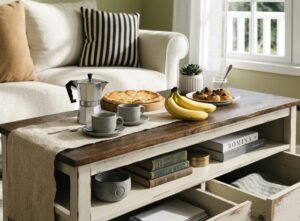
| Lift-Top Coffee Table | Hidden storage for remotes, chargers and everyday items | Browse on Amazon → |
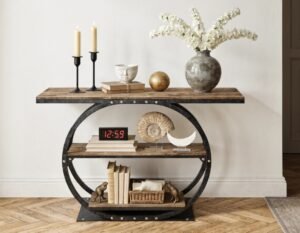
| Slim Console Table with Storage | Behind a sofa or along a narrow wall | Browse on Amazon → |
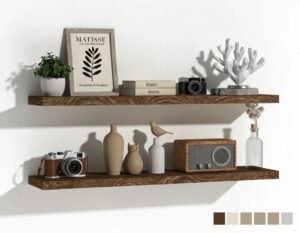
| Floating Wall Shelves | Books, decor and vertical storage | Browse on Amazon → |
Measure your available width, depth and walking clearance before ordering furniture. Check the current dimensions, finish and availability on Amazon.
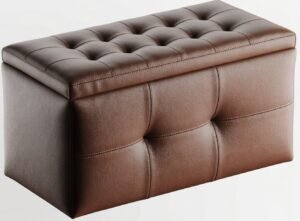
1. Replace a Plain Ottoman with One That Stores Blankets
An ottoman is one of the easiest places to hide storage because it can replace something you may already want in the room: a footrest, occasional seat or coffee-table alternative.
The SONGMICS Folding Storage Ottoman Bench is a useful example of this idea. It gives you a concealed compartment for throws, cushions, games or other lightweight living-room items while still functioning as a bench.
Best for: small apartments, family rooms, blanket storage and rooms where every piece of furniture needs more than one purpose.
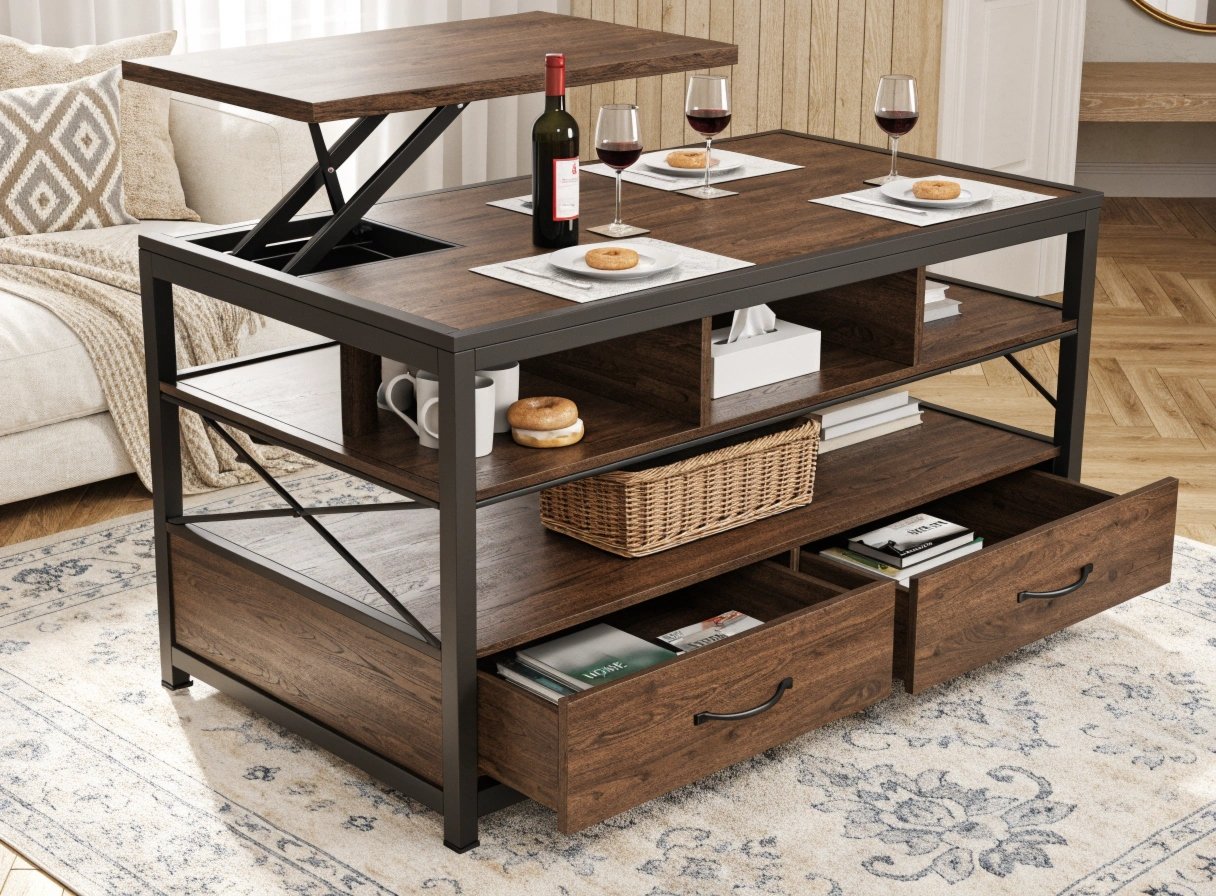
2. Use a Lift-Top Coffee Table Instead of an Open Table
A coffee table occupies valuable floor space, so it makes sense for it to store something too. A lift-top design can hide remotes, chargers, notebooks, games and everyday clutter that otherwise stays visible on the surface.
Look for a table that fits your seating layout without blocking the main walking path. In a very small room, a compact rectangular or square model may work better than an oversized table.
Browse lift-top coffee tables on Amazon →
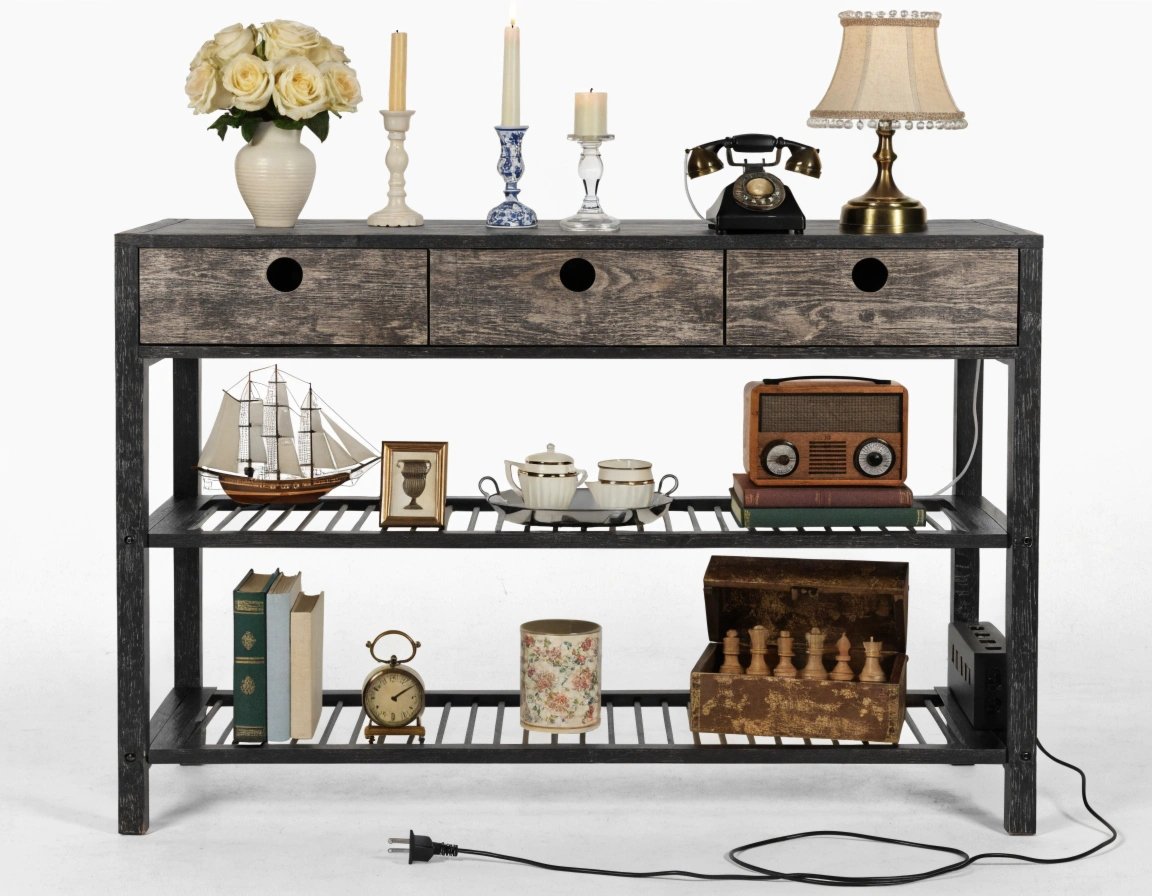
3. Put a Slim Console Behind the Sofa
The narrow strip behind a sofa is often wasted. A slim console can turn it into a useful landing zone for lamps, baskets, books and charging accessories without taking over the center of the room.
If the sofa sits against a wall, look for a shallow console rather than a deep cabinet. If it floats in the room, a sofa-back console can also help visually define the living area in an open-plan layout.
Browse slim console tables on Amazon →
If your living room shares space with the kitchen, see my guide to creating a more cohesive kitchen-living room combo.
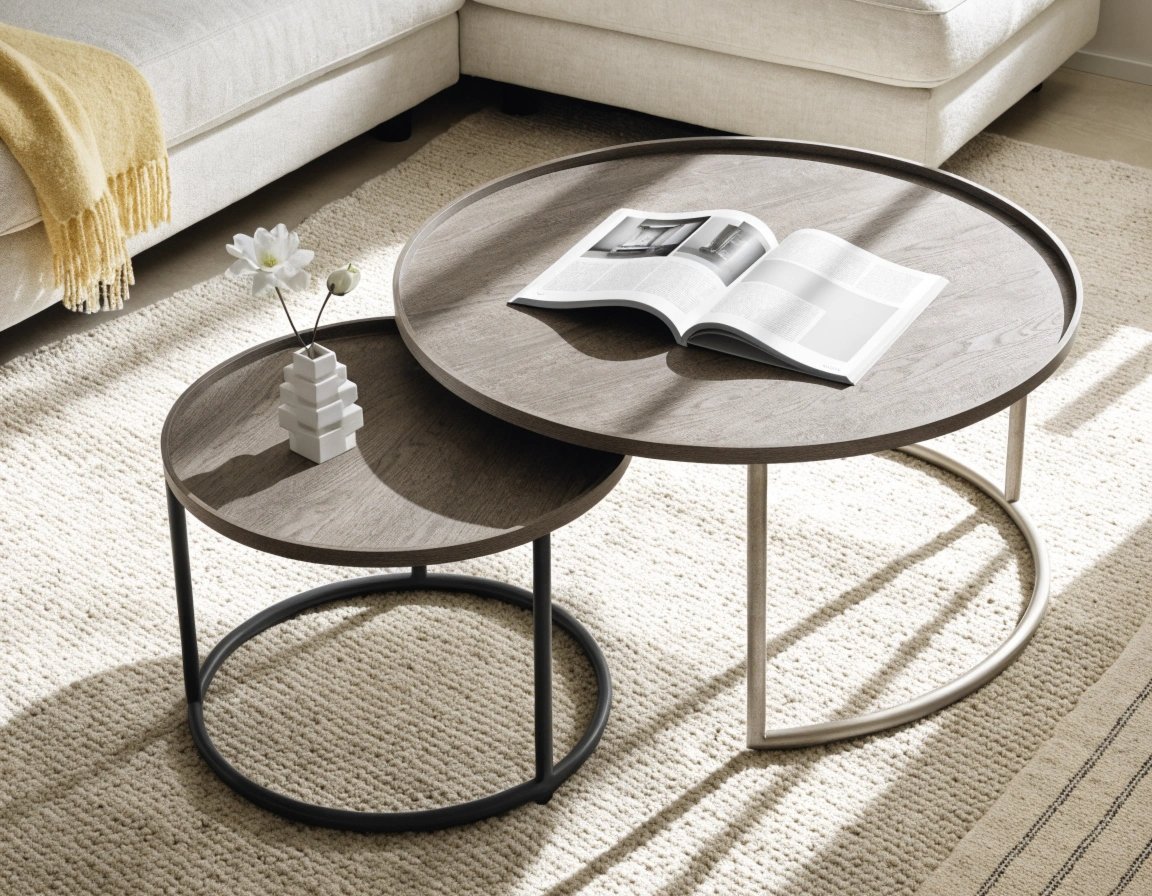
4. Choose Nesting Tables Instead of Two Full-Size Side Tables
Nesting tables give you extra surface area only when you need it. Keep them stacked most of the time, then separate them when guests arrive or when you need another place for a drink, laptop or book.
They do not provide concealed storage, but they reduce the amount of permanent furniture in the room, which can be just as important in a tight layout.
Browse nesting tables on Amazon →
5. Swap a Basic End Table for a Slim Table with a Drawer
If remotes, charging cables, reading glasses and small electronics tend to collect beside the sofa, a narrow side table with one drawer can solve the problem without adding a large storage unit.
This is especially useful beside a sectional or armchair where there is not enough width for a standard nightstand-sized table.
Browse slim side tables on Amazon →
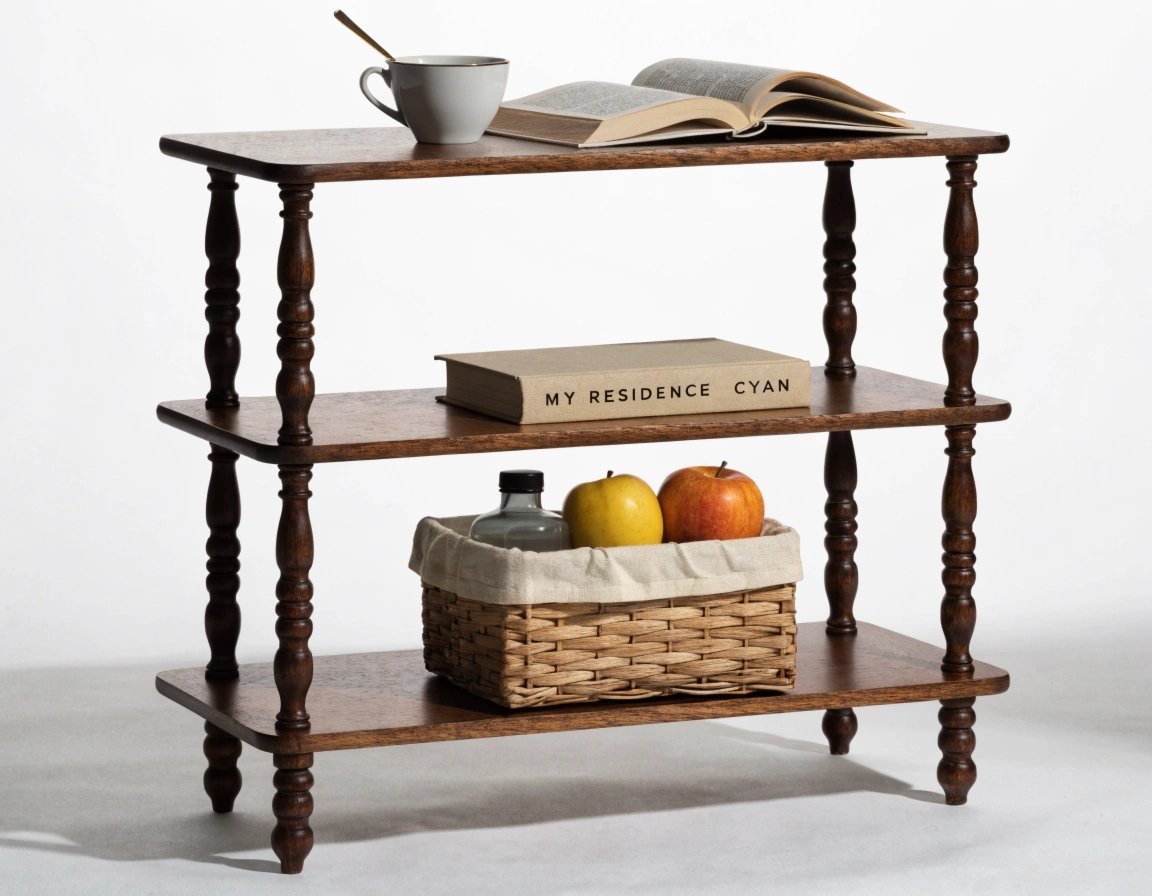
6. Move Books and Decor Up the Wall
When every tabletop is covered, look at the walls before buying another floor-standing piece. Floating shelves can hold books, framed art, small plants and decorative objects while keeping the floor clear.
One or two long shelves usually look calmer than many tiny shelves scattered across the wall. Leave negative space around objects so the storage still feels intentional rather than crowded.
Browse floating shelves on Amazon →
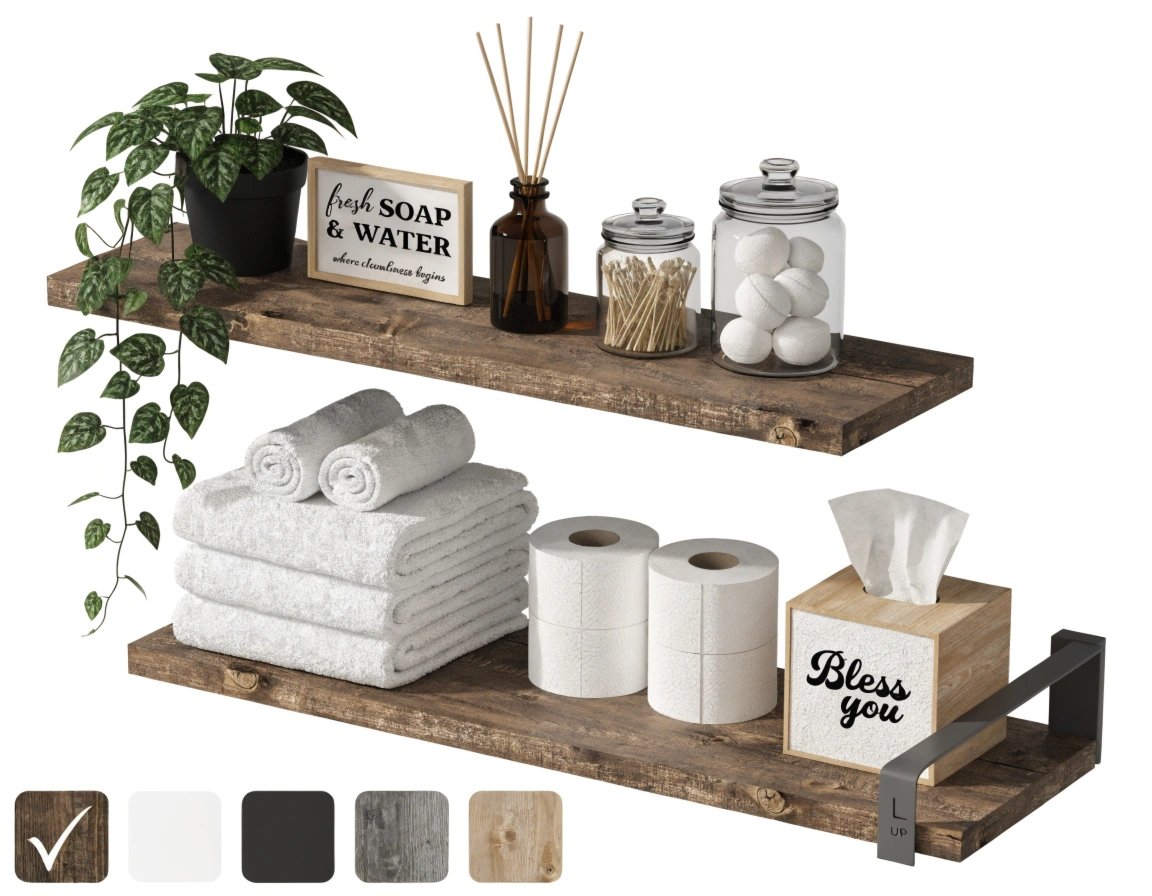
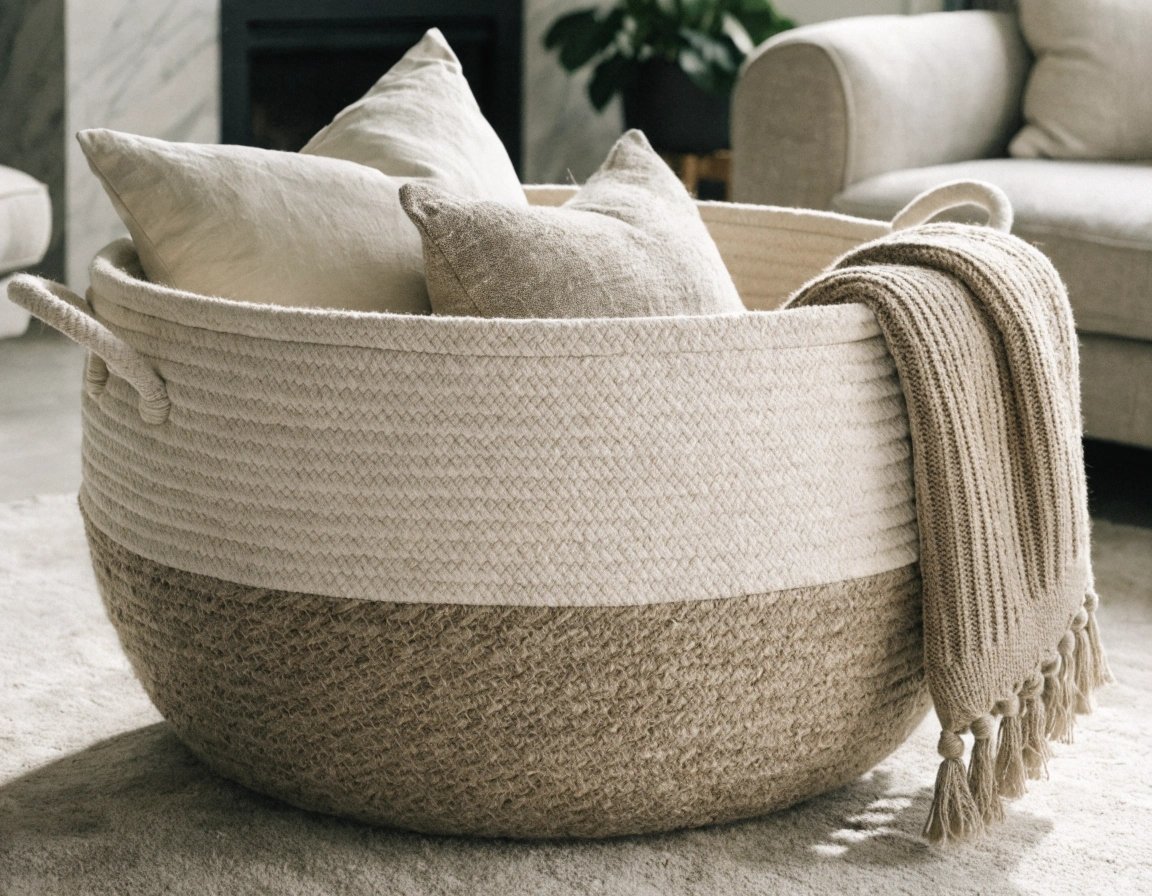
7. Use Baskets as Flexible Storage, Not Permanent Clutter
Large baskets are useful for items that need to be put away quickly: throws, toys, workout accessories or extra cushions. They work best when each basket has one clear purpose.
A basket beside the sofa can look softer than another box or cabinet and is easy to move when you clean or rearrange the room.
Browse living-room storage baskets on Amazon →
8. Use a Narrow Bookcase Where a Standard Cabinet Will Not Fit
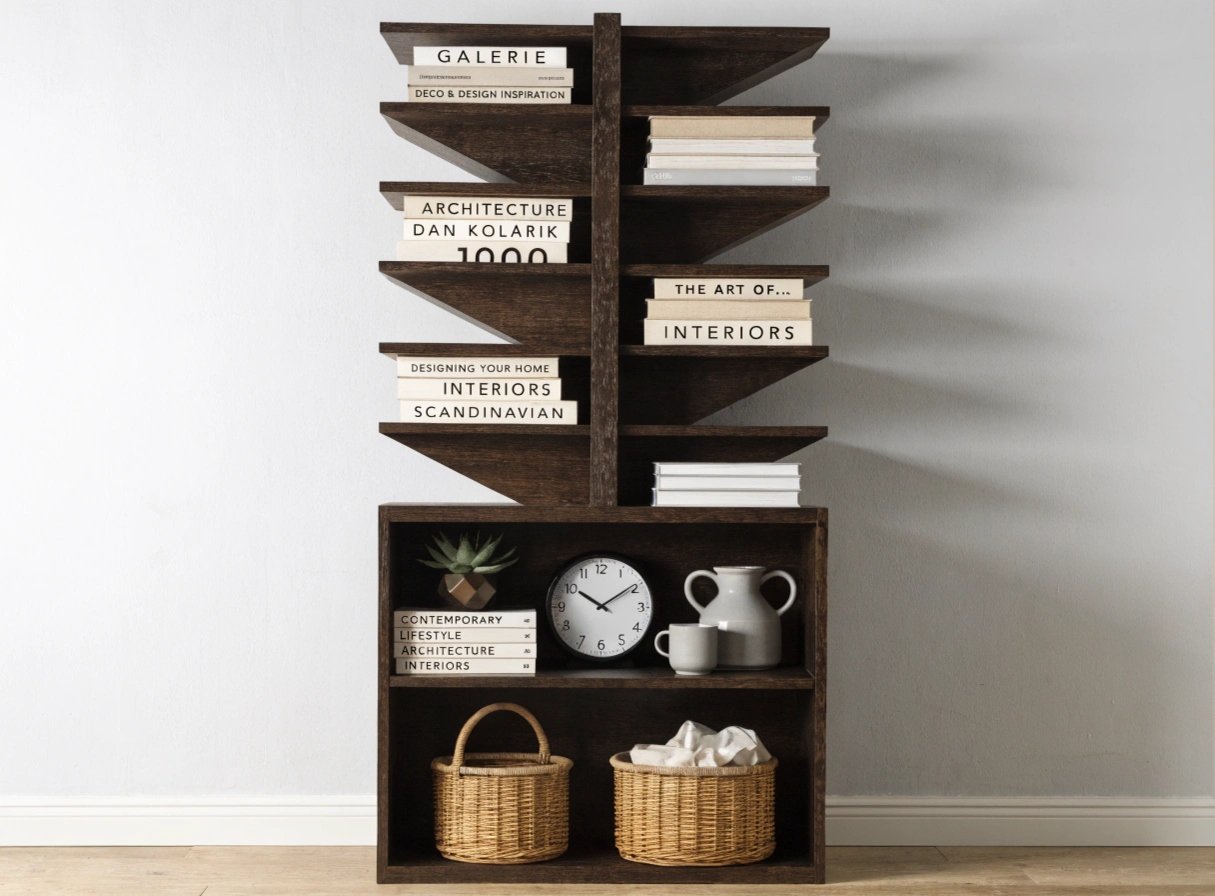
A tall, narrow bookcase can provide much more vertical storage than a low cabinet while using less floor width. This works especially well beside a doorway, in a corner or along a short section of wall that would otherwise stay empty.
Keep heavier items on the lower shelves and lighter decor higher up. Always follow the manufacturer’s instructions for anchoring tall furniture where required.
Browse narrow bookcases on Amazon →
9. Create One Hidden Storage Zone Instead of Many Small Ones
A small room can actually look more cluttered when storage is spread across ten different containers. If possible, choose one larger concealed zone – such as an ottoman, lift-top table or console – and use smaller organizers only for categories that truly need them.
This keeps the room visually simpler and makes cleanup easier because you know where each type of item belongs.
How to Choose Storage Furniture for a Small Living Room
- Measure the walking path first. Storage is not useful if it makes the room difficult to move through.
- Choose furniture that replaces something else. An ottoman with storage is usually more efficient than an ottoman plus a cabinet.
- Prefer closed storage for visual clutter. Open shelves are best for books and decor; everyday clutter is usually calmer behind a lid, drawer or door.
- Use height before width. Vertical shelves and narrow bookcases preserve more floor area.
- Do not fill every available gap. Some empty space makes a small living room feel larger and easier to use.
What Should You Store in a Small Living Room?
Prioritize items you actually use in the room: blankets, remotes, chargers, games, books, toys and a limited amount of seasonal decor. Household backups, cleaning products and rarely used items are usually better stored elsewhere so valuable living-room storage is reserved for everyday needs.
Frequently Asked Questions
How can I add storage to a small living room without making it look crowded?
Use multifunctional furniture and vertical storage first. A storage ottoman, lift-top coffee table, narrow console or floating shelves can add capacity without requiring another large cabinet.
What is the best hidden storage for a small living room?
For blankets and larger soft items, a storage ottoman is practical. For smaller everyday clutter, a lift-top coffee table or side table with a drawer may be easier to use.
Are open shelves good for small living rooms?
Yes, when they are edited carefully. Open shelves can make use of wall space, but too many small objects can create visual clutter. Use them for a limited number of books, art and decorative pieces.
How do I organize a living room in a small apartment?
Start by removing items that belong in other rooms, then identify the categories that remain. Give each category one storage home and favor pieces that combine seating, surfaces and storage in one footprint.
Final Thoughts
The best small living room storage ideas are usually the ones you barely notice. A bench that hides blankets, a coffee table with a concealed compartment, a narrow console behind the sofa or a few well-placed wall shelves can create useful storage without making the room feel like a closet.
Start with your biggest source of clutter, measure the space carefully, and add one multifunctional solution at a time. For more small-space ideas, you may also like my guides to small bathroom organization and space-saving laundry room organizers.